
A Discussion Panel with Claude Abi Nader Hindi on The Techniques of Television Investigative Reporting at BAU

A Discussion Panel with Claude Abi Nader Hindi on “The Techniques of Television Investigative Reporting” at BAU
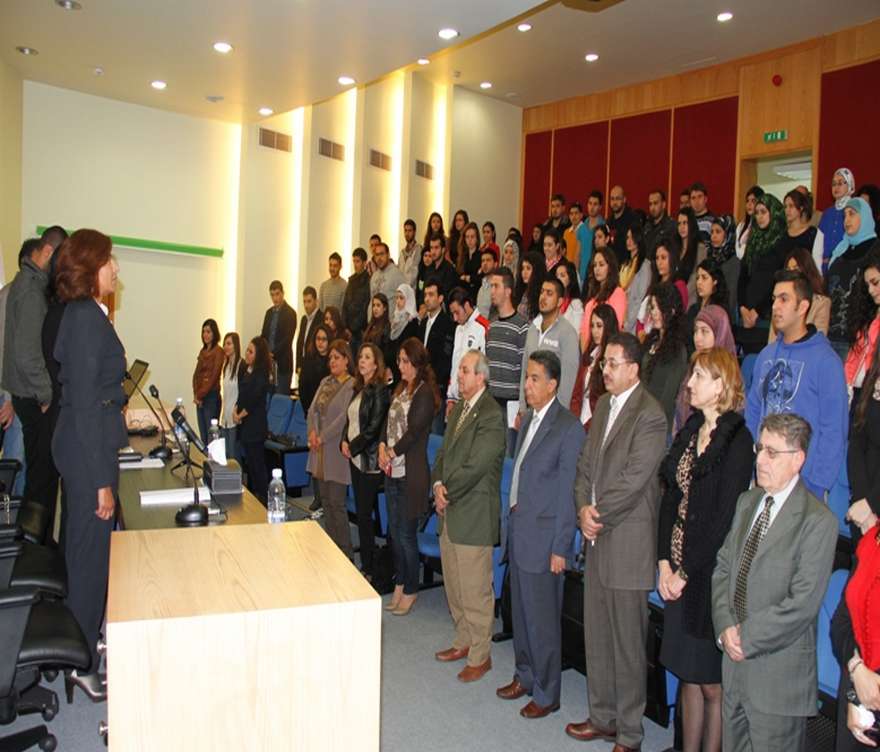
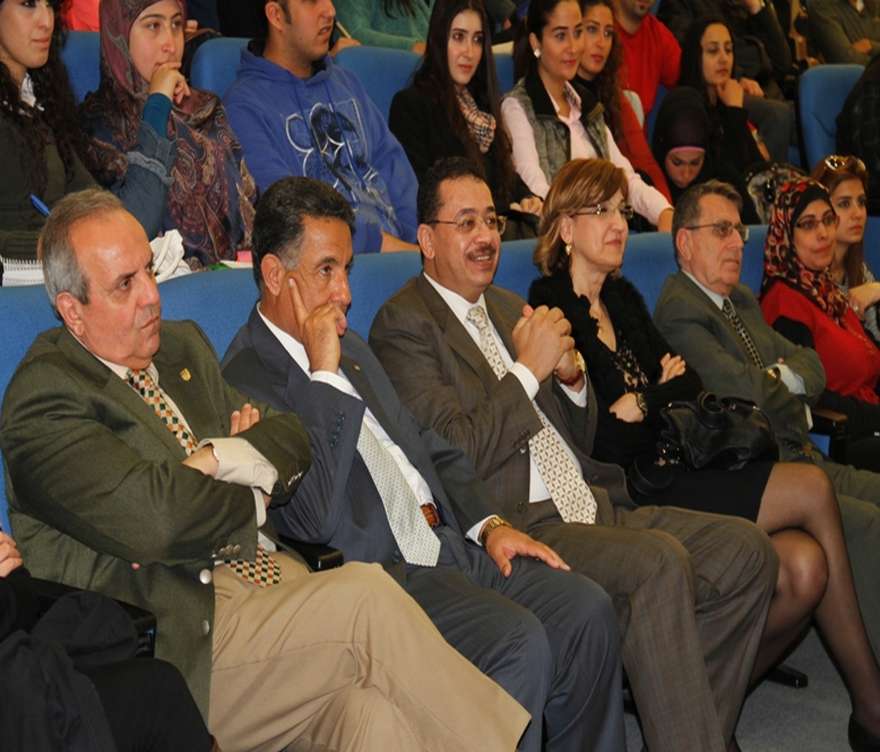
16 April 2013The Faculty of Arts at Beirut Arab University organized a Discussion Panel hosted the anchor Claude Abi Nader Hindi, entitled “The Techniques of Investigative Reporting”. The panel was held at Ali Rached Hall- Beirut Site and was attended by the Vice President for Medical Affairs, Prof. Dr. Essam Osman, Dean for Scientific Research and International Relations , Prof. Dr. Mohamed Raslan, staff-members and a large crowd of Mass Communication students.
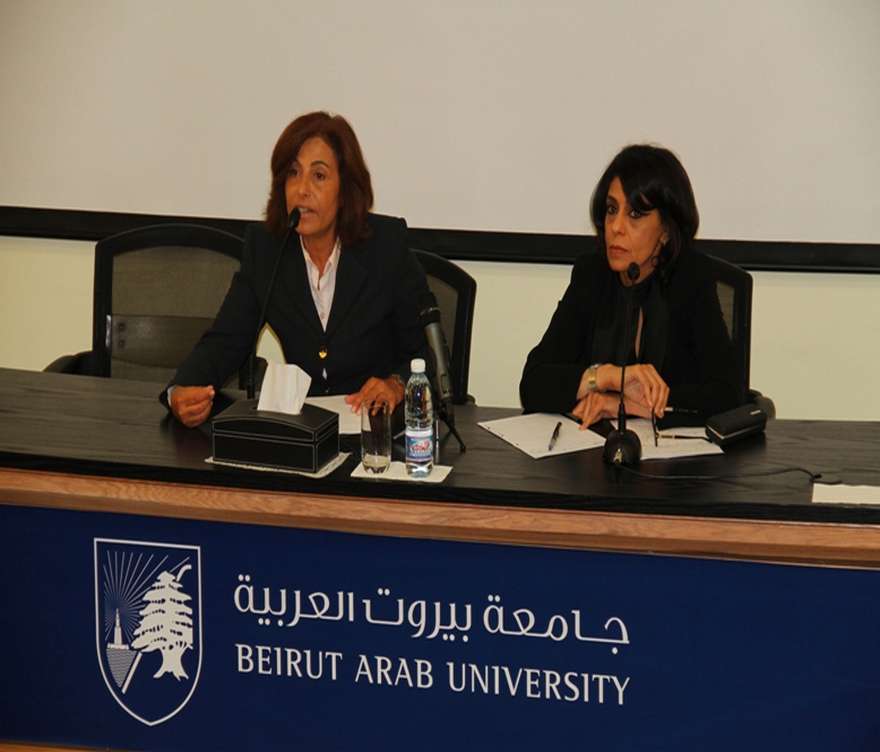
After the Lebanese National Anthem and the BAU Anthem were played, the Dean of the Faculty of Arts, Prof. Dr. Mayssah El Nayal opened the event. She gave a welcoming speech in which she described Hindi as a distinguished and outstanding anchor, who abides by the professional ethics and regulations. She further pointed out that a Television Investigative Reporting is one of the most demanding genre in journalism and television whereby she highlighted on the skills, efficiency and dedication necessary in the field. El Nayal also praised the students of the Mass Communication Department, hailing them as the basis for a successful and distinguished Lebanese media.
Anchor Claude Abi Nader Hindi then took the floor, thanking the University for its contributions to the Lebanese educational life. She expressed her surprise at how the University keeps abreast with all aspects of progress and development. She linked the success and continuity of her program “Tahkeek”, displayed on MTV, to the endless flow of stories and problems in the society. Hindi argued that television needs to aspire in order to present such programs that bring people’s stories into the limelight. Further, she pointed out that media students need to invest their potentials in preparing good and successful investigative reporting, by breaking through barriers and taboos, and by going out into the field with their cameras to document people’s problems and achieve a genuine form of communication between the various social classes.
Hindi regretted the deterioration observed in the media, where a number of concepts that develop the society’s intelligence, sensibility and awareness have been obliterated. She criticized that those in charge of the media in the Arab World seem to neglect documentaries, and that the Arab youth are glued to the television screens merely to follow soap-operas and entertainment shows, rather than to nurture a mentality for documentaries.
As for the skills required for the success of a media person when working on a reporting, Hindi stressed on the element of curiosity, the ability to communicate with the other, and the passion to combat the impurities that hinder the establishment of a state and implement the law. In addition, she highlighted the technical skills required, such as presentable look, good deliverance, and familiarity with technology.
Hindi also spoke of the problems and crises that may face a media person, such as confronting taboos. She called upon all media people, as well as mass communication students, to see the crystallization of their ideas through to the end, and not to relent or give up. She also called for a permanent interaction with the Civil Society institutions in Lebanon to facilitate such steps.
In the end, Dr. Jamal Megahed conducted the discussion between the students and Hindi, who answered their questions.