
A Reading of the Draft of the Egyptian Constitution of 2013 Seminar at Beirut Arab University

“A Reading of the Draft of the Egyptian Constitution of 2013” Seminar at Beirut Arab University
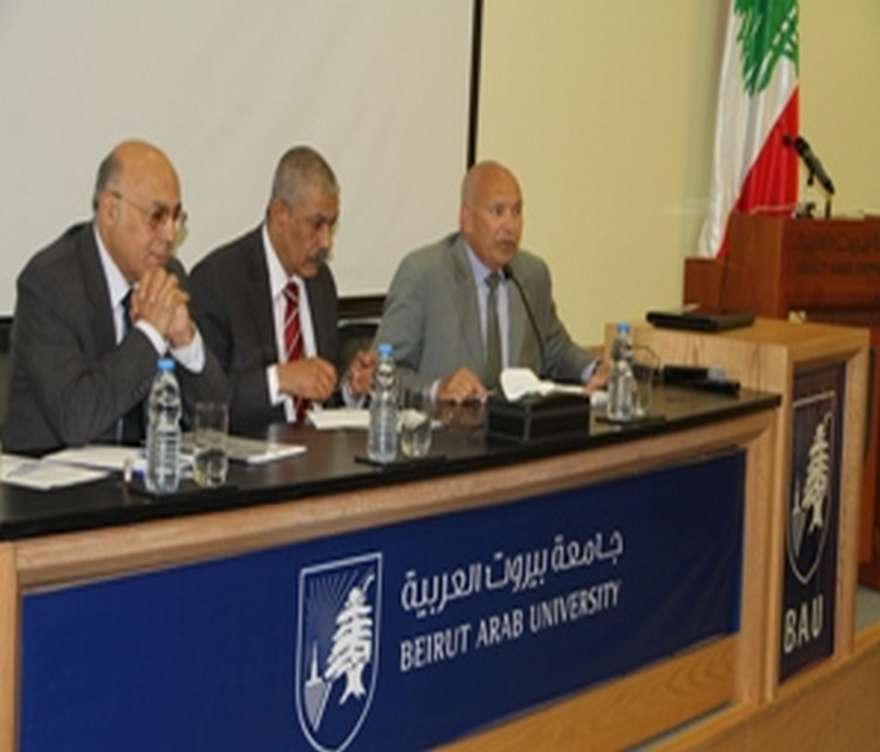
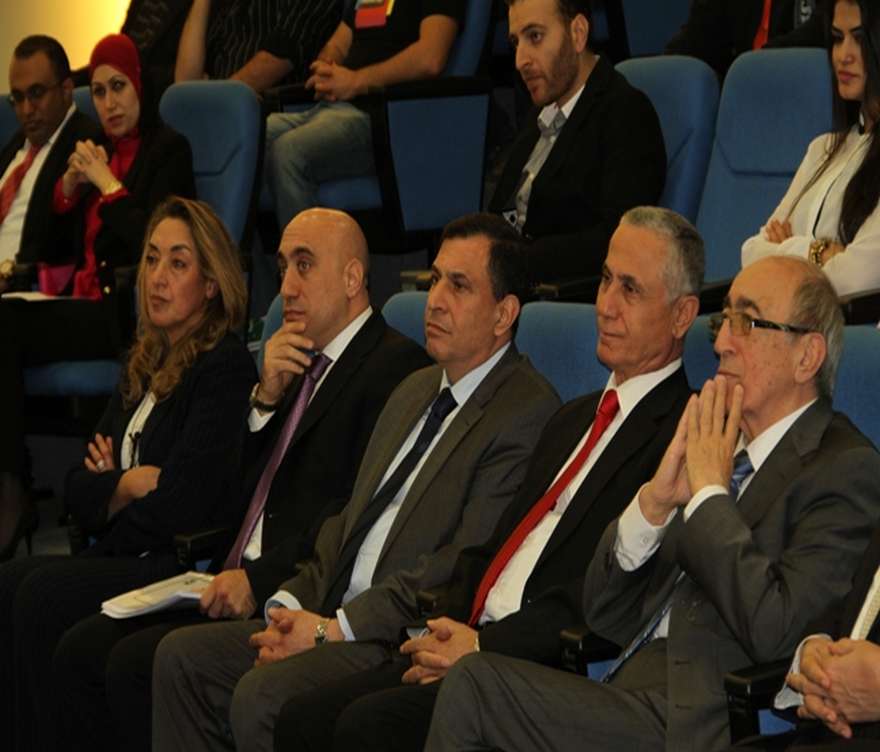
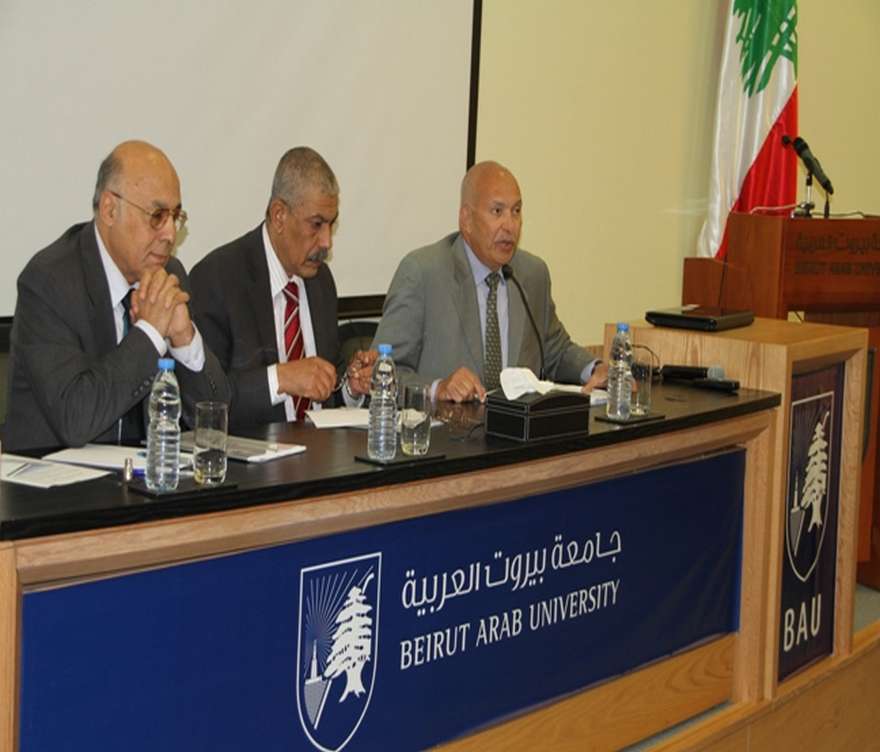
25 November 2013The Faculty of Law and Political Science at BAU organized a seminar entitled “A Reading of the Draft of the Egyptian Constitution of 2013”, on the 25th November, 2013 at Beirut Campus. The Seminar was attended by BAU President, Prof. Amr Galal El Adawi, BAU Secretary General, Mr. Issam Houri. Presenters on the panel included ex-Minister Dr. Khaled Kabbani, Mr. Abbas Safaa, representing the President of Beirut Bar Association. The event was also attended by the Deans of Faculties, staff-members and a crowd of students.
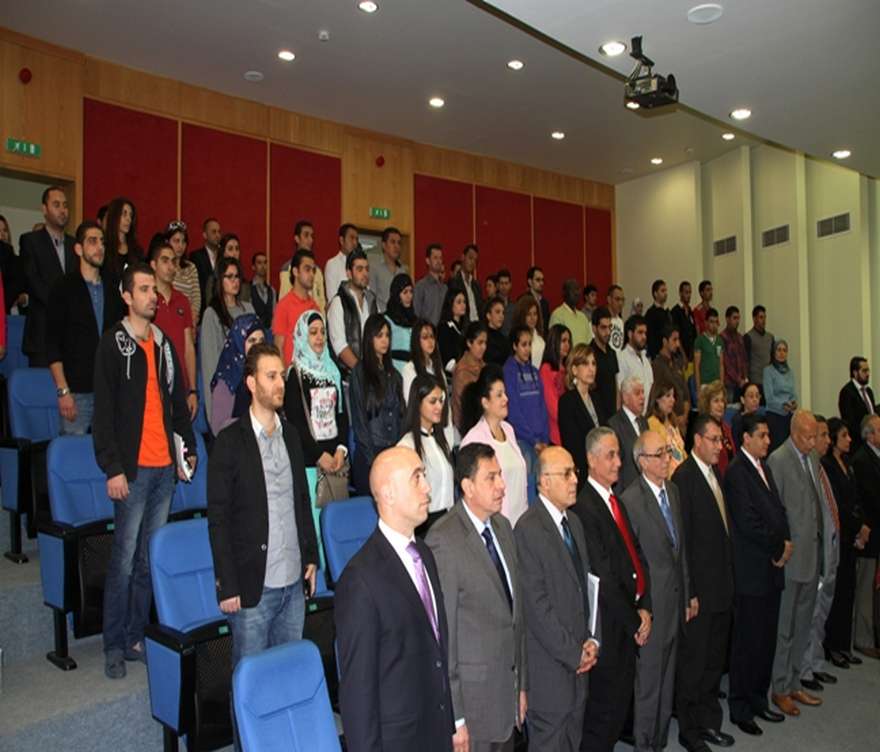
After the Lebanese national anthem and the BAU anthem were played, the Dean of the Faculty of Law and Political Science, Prof. Mohamed Kassem inaugurated the seminar, declaring the opening of the Faculty’s academic activities. In his opening speech he highlighted that the coming Egyptian Constitution is not a purely Egyptian issue, since it will determine the route to be followed by the Arab World for many years to come. He emphasized the fact that there is no one constitution that meets the aspirations of an entire people; at the same time, the nation’s good should reign supreme, apart from any political debates and despite all disputes.
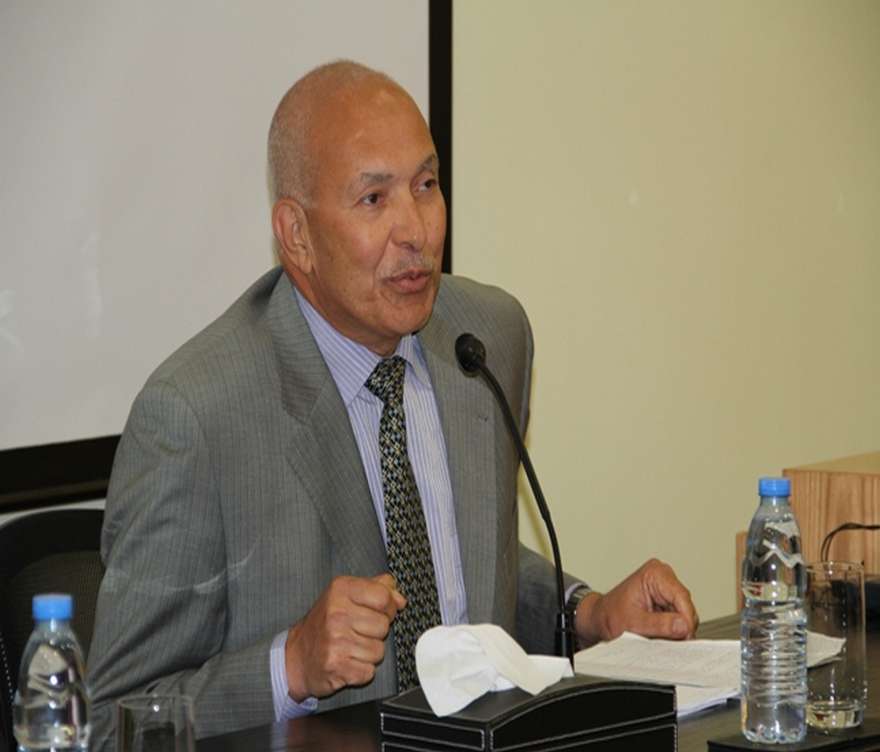
This was followed by a talk presented by Prof. Dr. Rabia Fath El Bab, Head of the Department of Public Law, who pointed out that constitutional laws do not make nations, but rather nations set constitutional laws. He drew a number of legal comparisons between the Constitution of 2012 and the draft of forthcoming one. He further spoke of the procedures that will be taken prior to the adoption of the Constitution.
Dr. Khaled Kabbani stressed in his talk on the importance of Egypt reassuming its role in the region, describing it as the heart of the Arab World. Dr. Kabbani offered a number of observations on the nature of governance, and the issue of public authorities as observed in the draft. He highlighted the absence of any provisions that define the nature of the political system, that separates between the powers, that conflate the terms “government” and “cabinet”, that describe the mechanism for forming and toppling a government, or that identify the laws regulating elections. He further drew attention to the confusion between the powers of the president and the government, stressing on the necessity of legally distinguishing between the concepts of government and cabinet.
Dr. Omar Houri, Assistant Dean of the Faculty of Law and Political Science explored in his turn the extent to which the draft coincides with international human rights standards. This was followed by a number of talks and interventions made by a number of the staff-members at the Faculty.