
A Seminar on A Comparison Between The Azhar Document and the Apostolic Exhortation at BAU

A Seminar on “A Comparison Between The Azhar Document and the Apostolic Exhortation” at BAU
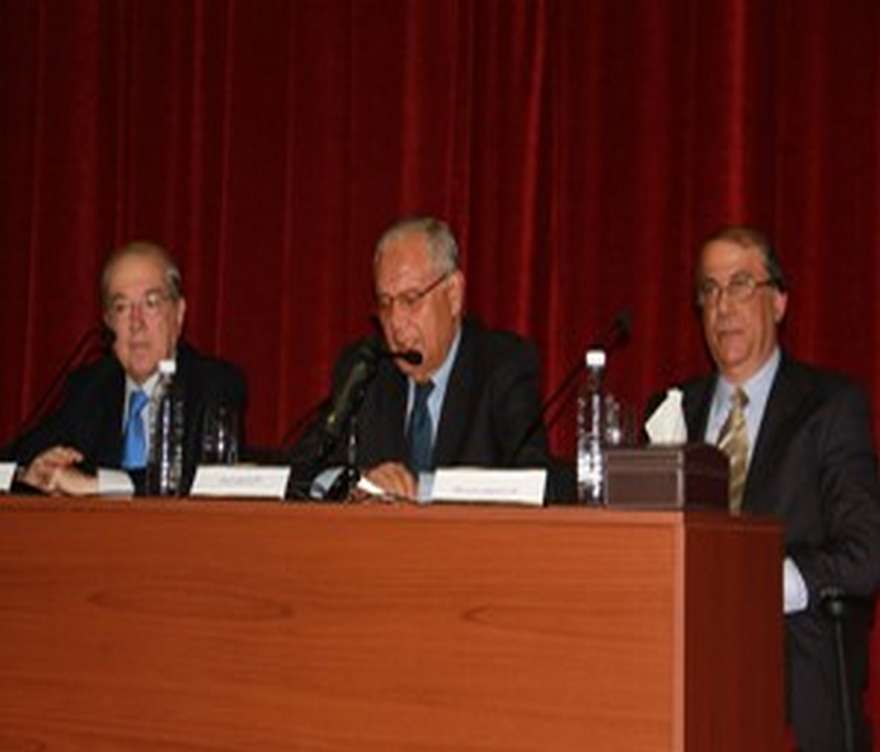
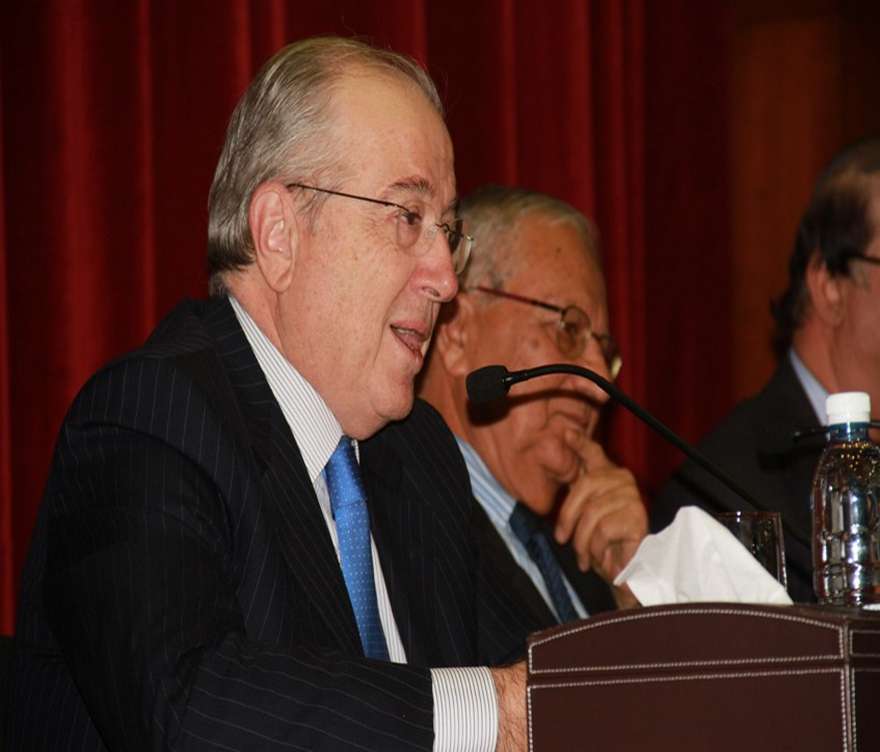
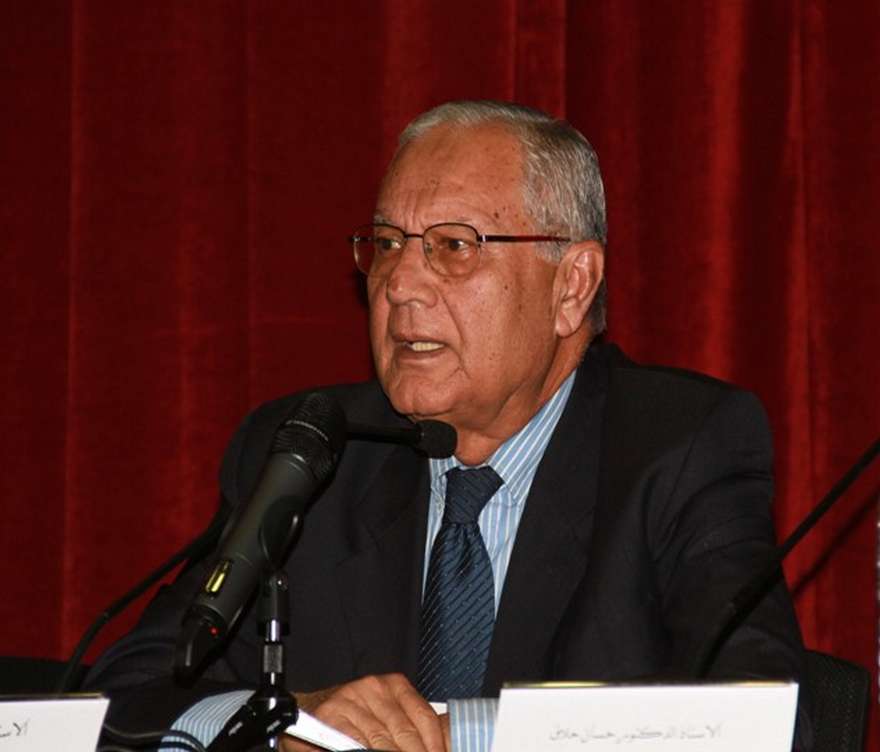
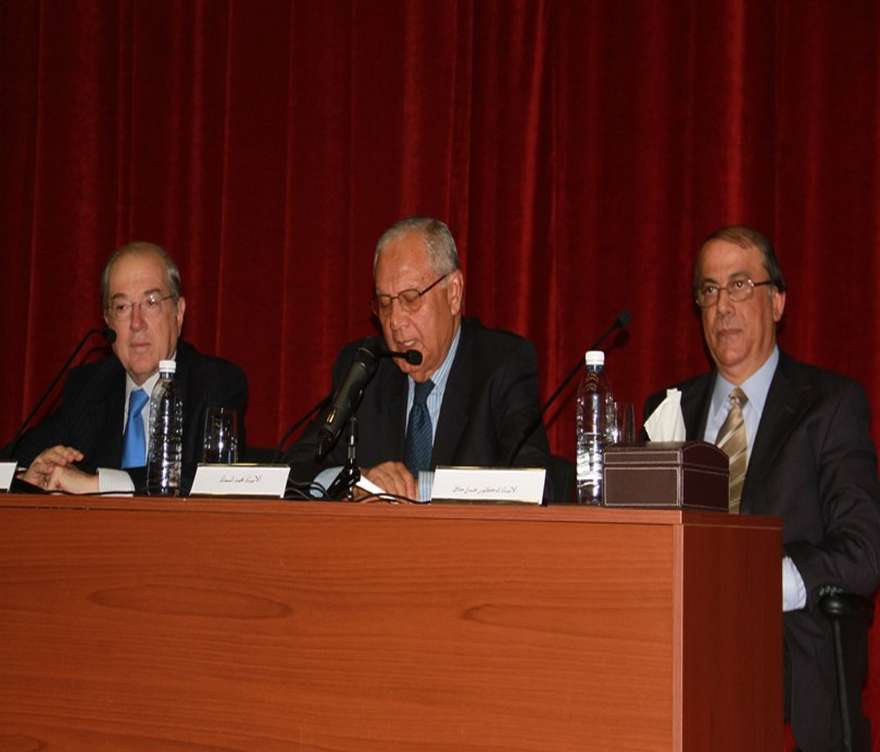
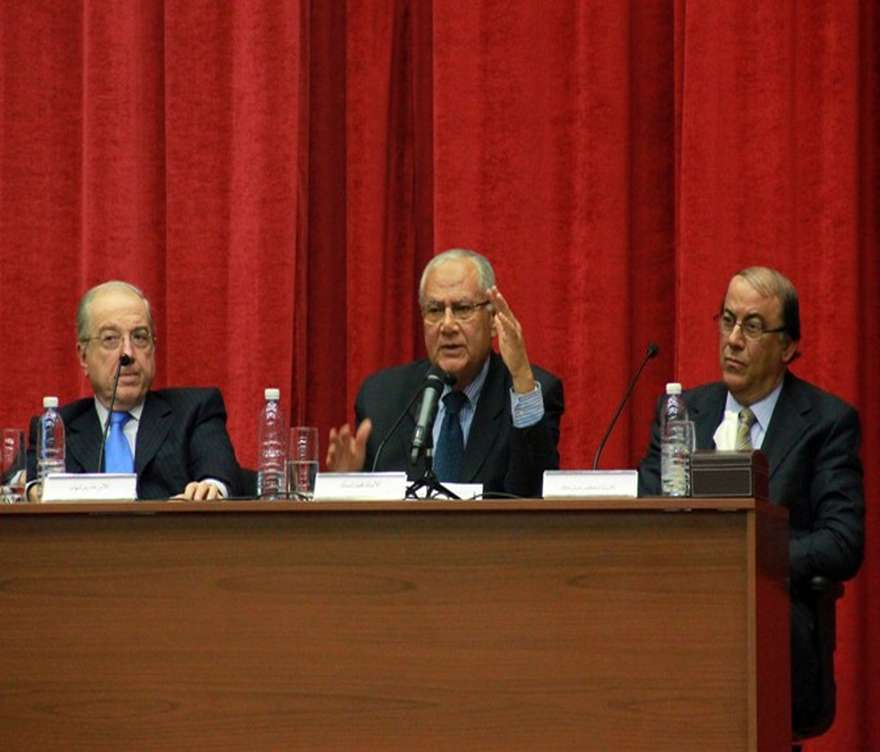
30 November 2012Beirut Arab University hosted a seminar entitled “A Comparison Between the Azhar Document and the Apostolic Exhortation”. The keynote speakers were Dr. Mohamed Al Samak, Secretary General of the Islamic-Christian National Dialogue Committee, and Prince Hareth Shehab, Secretary General of the Islamic-Christian Dialogue Committee.
The seminar was attended by the President of the University, Prof. Dr. Amr Galal El Adawi, the Vice-President for Academic Affairs, Prof. Dr. Hanafi Holeil, the Vice-President for Tripoli Branch Affairs, Prof. Dr. Khaled Baghdady, BAU Secretary General, Mr. Issam Houri, in addition to the Deans of Faculties, staff-members and the Director of Public Relations, Mrs. Zina Ariss.
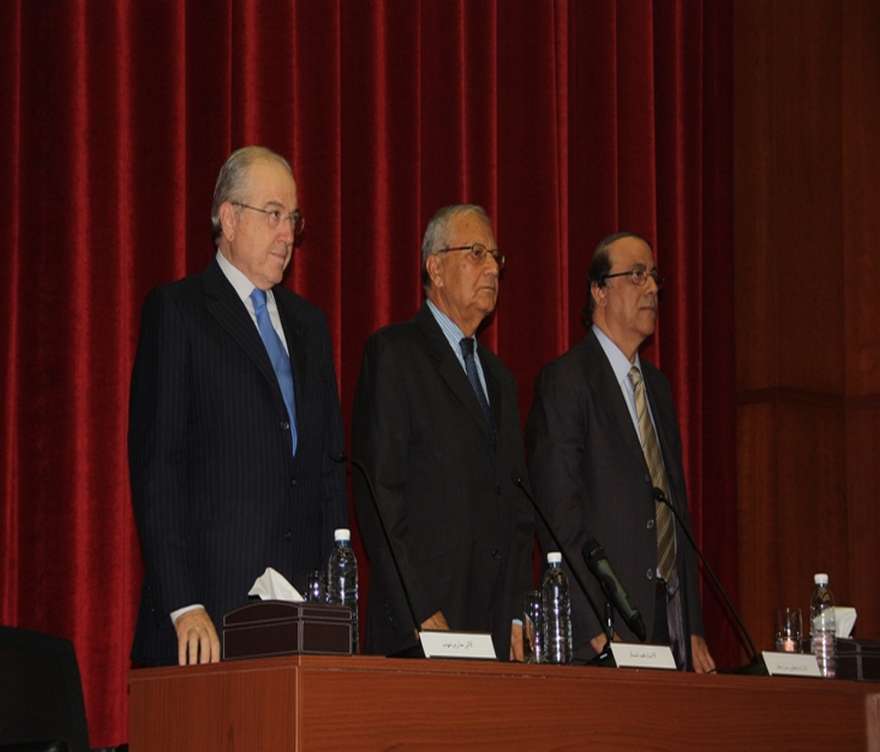
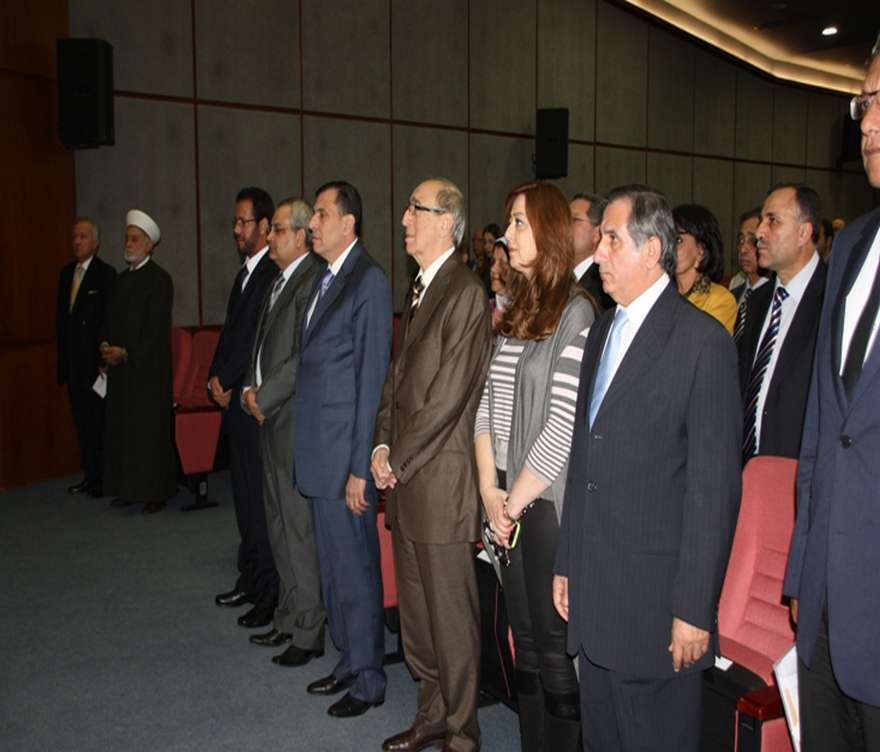
After the Lebanese national anthem and the BAU anthem were played, Prof. Dr. Hassaan Hallak opened the seminar, highlighting the importance of the rapprochement between people and religions, as well as the important role played by such seminars in expanding venues for encounters and dialogue.
Shehab, then, delivered his speech, emphasizing on the commonalities between the Apostolic Exhortation and the Azhar Document, pointing out that both documents grant religious freedom a special status. He also indicating the great amount of attention dedicated in the two document to issues of citizenship, considering all wars waged in the name of religion to be wars on religion.
El Samak in his speech pointed out that the Azhar Document stressed on the fact that there is no such thing as a religious state in Islam, describing religious action as being purely moralistic. He highlighted that all racist calls are a crime committed against the fatherland. El Samak warned against dialogue falling into the abyss of non-understanding, especially when religion is made the basis for political dialogue. He called for the promotion of tolerance, in particular in the wake of the Arab Spring events.
The seminar concluded with discussions, where El Samak and Shehab responded to questions by the audience.