

A Workshop at the Faculty of Architectural Engineering
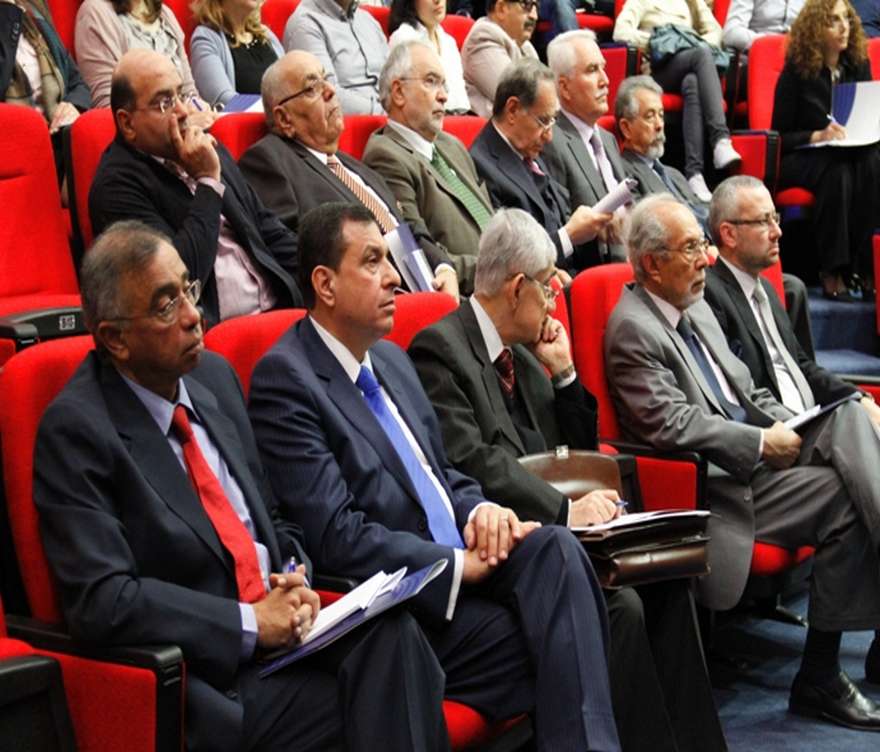
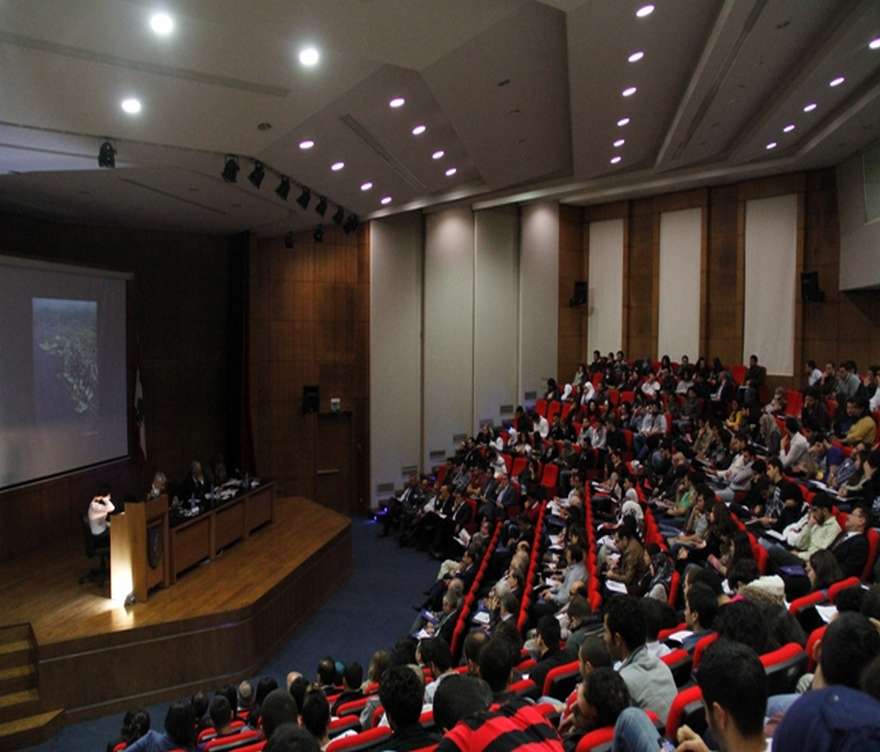
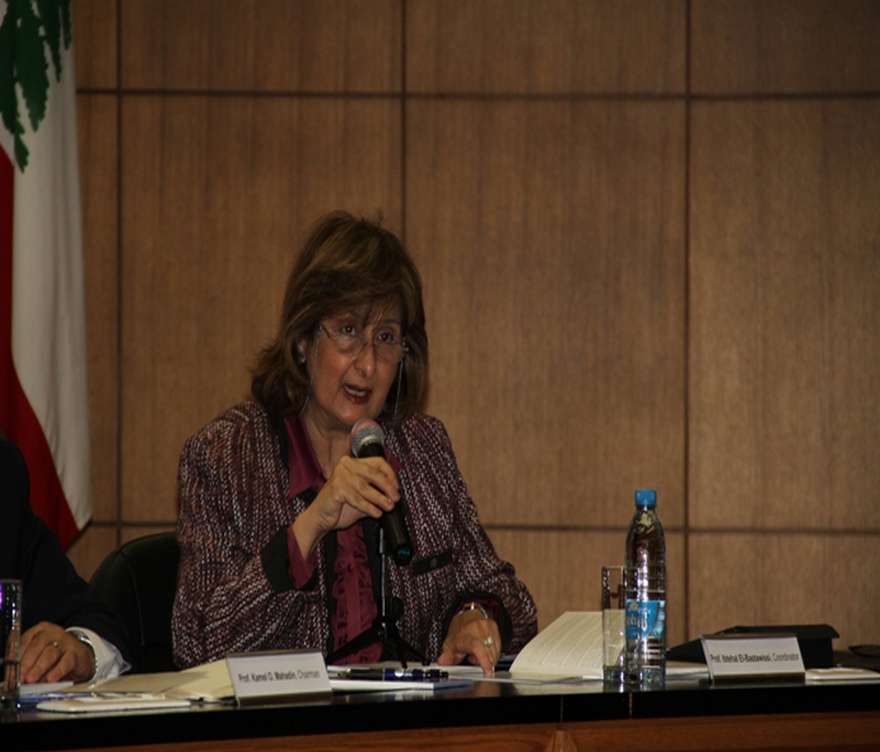
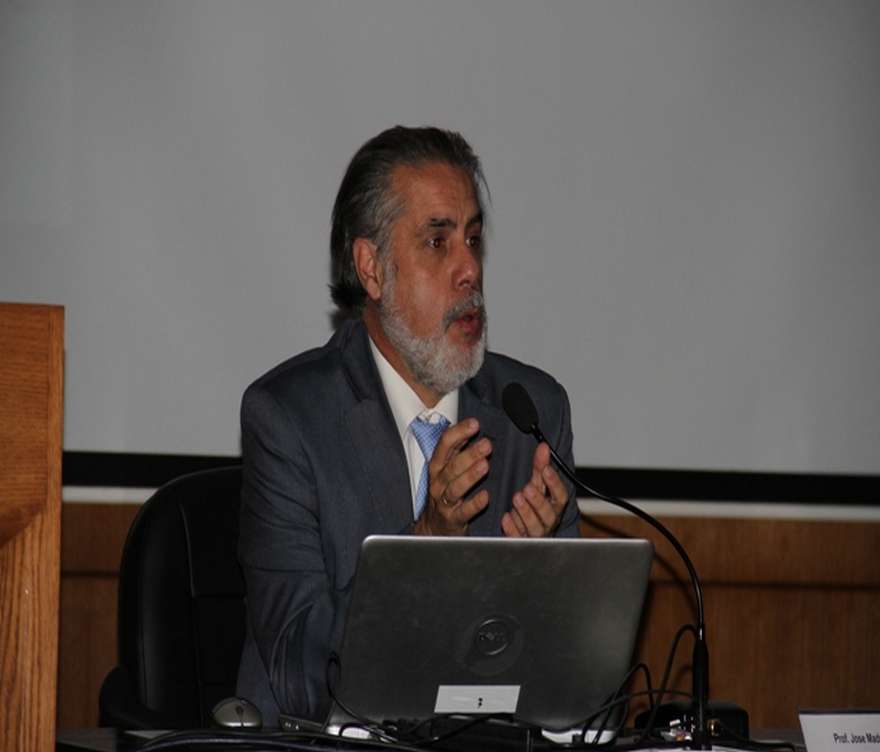
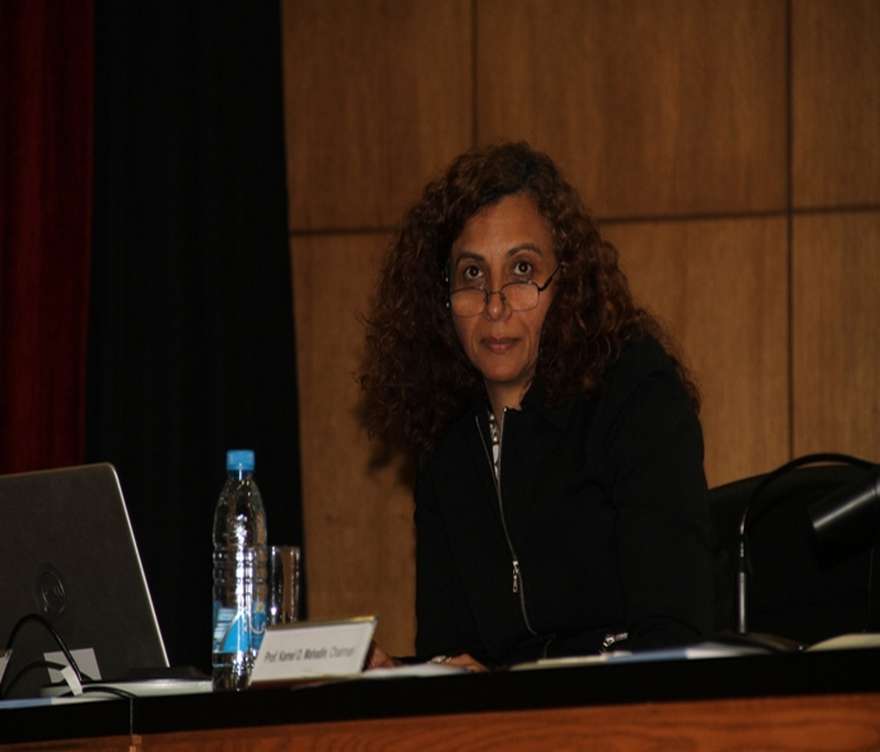
11 April 2013After being granted international validation by the RIBA, the Faculty of Architectural Engineering at BAU resumes its contributions to the architectural reality and its impact on the social and structural texture in Lebanon. This time, the Faculty hosted a workshop entitled “Place Making and the Cultural Identity of Cities”, which was held in Debbieh Site on the 11th of April 2013. The workshop was attended by a group of the finest Arab architects from Egypt, Jordan, Palestine and Lebanon, as well as by a crowd of staff-members and students at the Faculty.
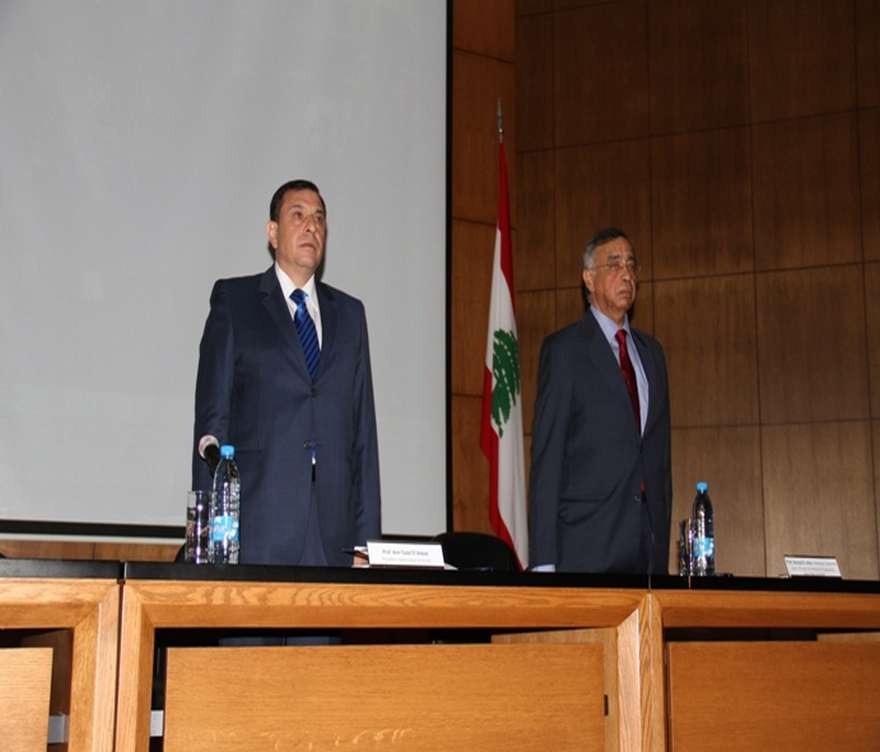
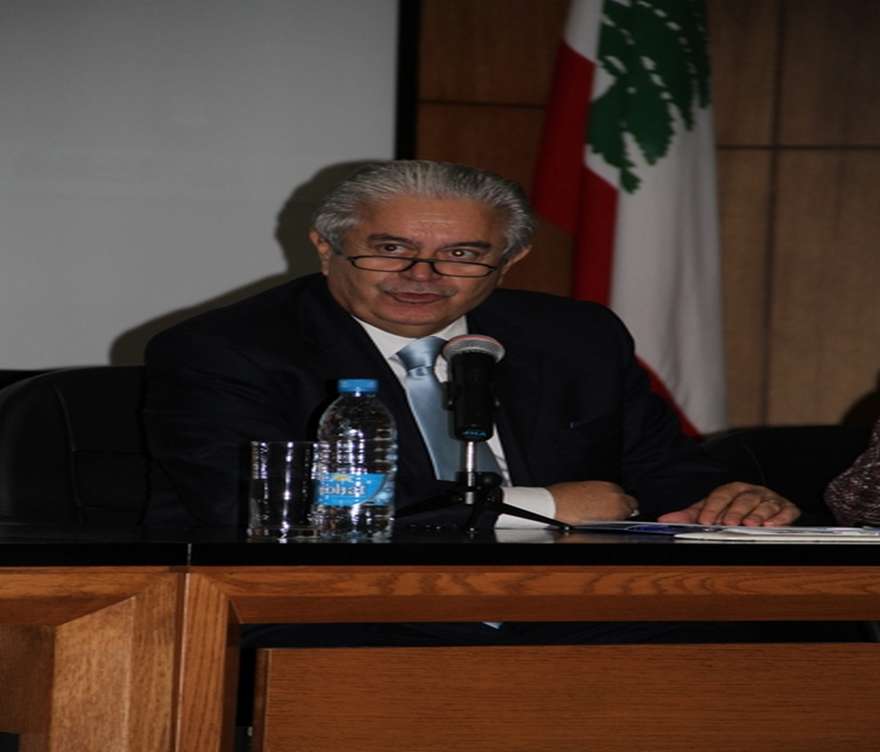
The event was attended by Prof. Dr. Amr Galal El Adawi, President of BAU, Prof. Dr. Hanafy Holail, Vice-President for Academic Affairs, and Prof. Dr. Ahmed Attia, Dean of the Faculty of Architectural Engineering, who inaugurated the event with a speech in which he linked the workshop to the implementation of the University objectives. These are based on solving the problems of cities and architecture, as well as making use of scientific and practical potentials. Prof. Atteya further pointed out that the programs at the Faculty have been reviewed to keep abreast with the developments in architecture and urban construction, including the architectural cultural identity. Attia also reiterated that the aim of the workshop is to exchange scientific expertise with Arab and international universities, to attain positive results and recommendations that would benefit the students.
In his word, Prof. Dr. Amr Galal El Adawi, President of BAU, stated that the workshop is a venue to bring together original and modern architectural thought. Thus it becomes a landmark in a series of seminars and scientific dialogues held throughout the year in celebration of the golden jubilee of the Faculty of Architectural Engineering.
Prof. El Adawi pointed out that human identity develops through an attachment to a place, and thus it formulates a community’s culture. He cited the research that has been conducted in the fields of phenomenology, and the primary components of architectural culture, posing a number of questions relevant to progress, developmental requirements, the impact of globalization, as well as articulating a future strategy to formulate urban spaces. He also stressed on the role played by the cultural heritage in the articulation of the future of cities.
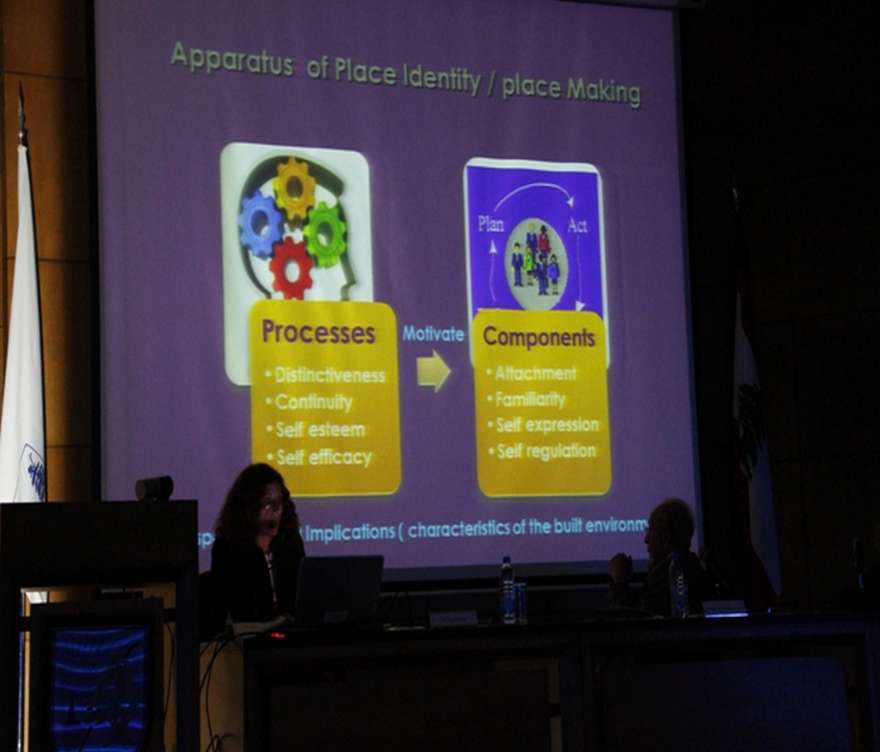
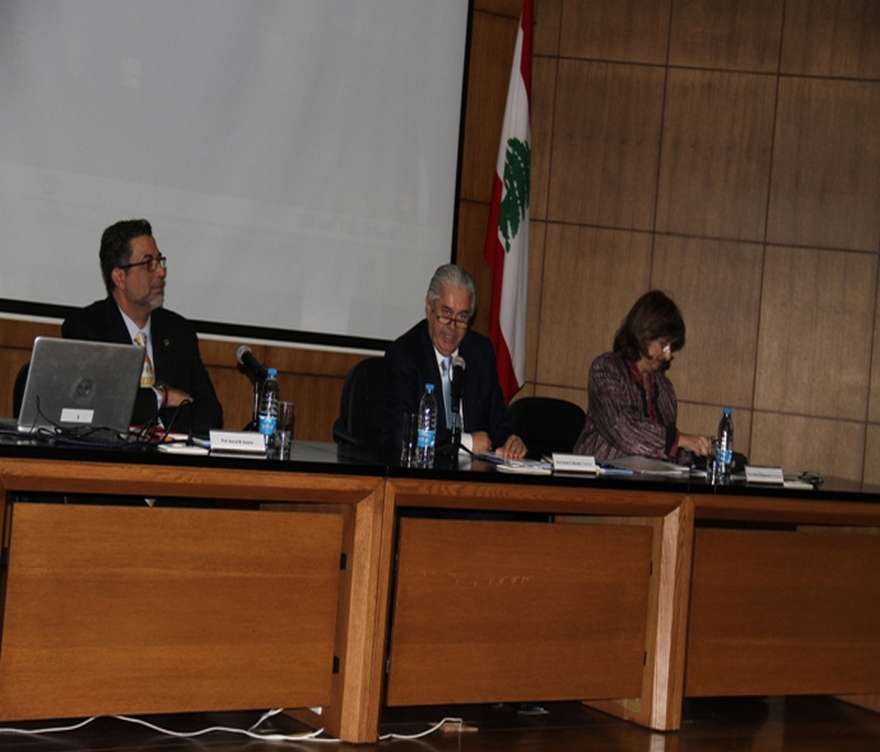
Throughout a whole day, the workshop witnessed interventions and panel discussions that discussed the challenges faced by the cultural identity by the urban and structural reality of the Arab World. The workshop also highlighted the element of imitation that pervades the constructional reality in traditional communities, warning of the consequences resulting from the continuous destruction of the historical character in urban communities.
Some interventions also highlighted the role played by capital and commercial speculations in restricting civic organization, and showing the architectural practices as ruled by a constructional aura to impress. Some interventions dealt with the negative impact of urbanism, such as the construction of tunnels and highways within the ancient texture of a city, as well as the role of the globalized political trends in the elimination of local cultures.