
A Workshop on the Management of Municipalities At Beirut Arab University Tripoli Branch

A Workshop on the Management of Municipalities At Beirut Arab University – Tripoli Branch
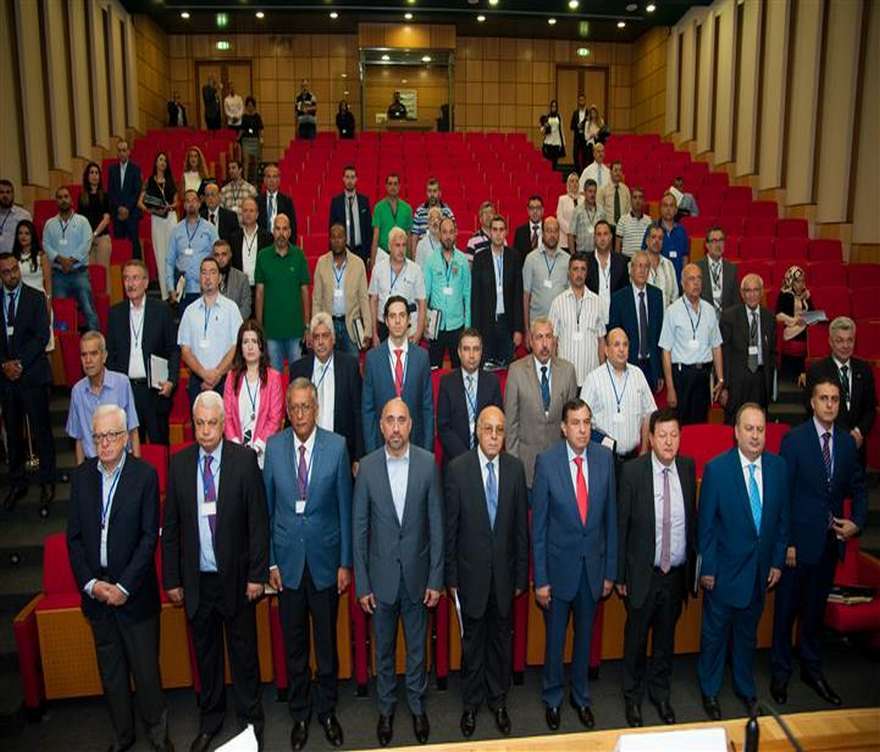
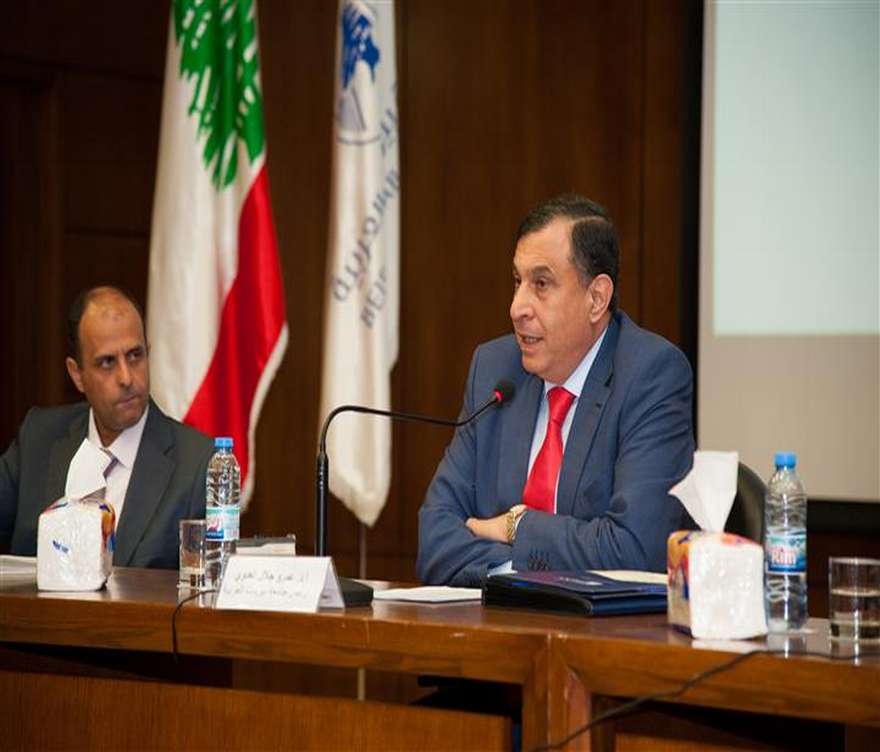
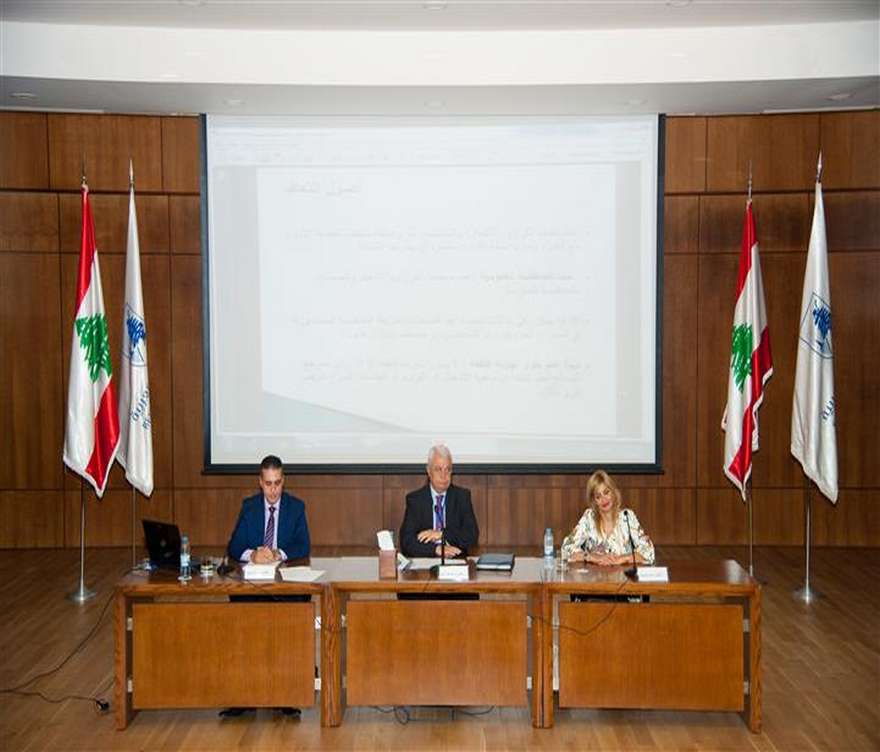
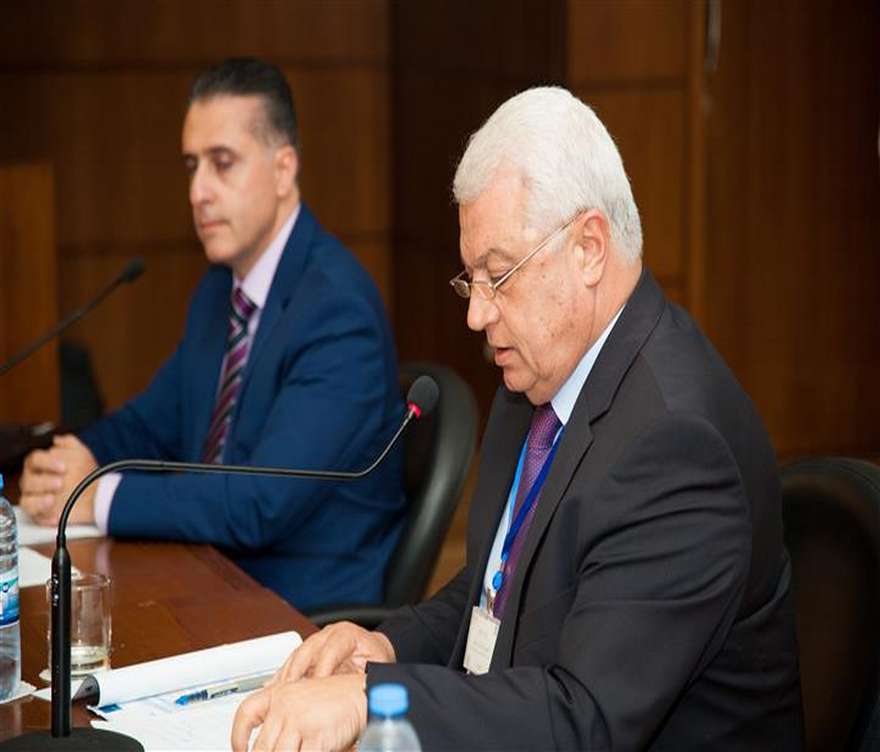
06 September 2016Beirut Arab University and the Center of Continuing and Professional Learning organized a workshop on the management of municipalities at the BAU Tripoli Branch, in cooperation with the National Institute of Management and with the participation of the Municipalities of Tripoli, El Mina, and the Society of Human and Environmental Development. The event was attended by ex-Minister Khaled Kabbani, the Head of the Federation of Fayhaa Municipalities; the Head of the Tripoli Municipality, Eng. Ahmed Kamareddine; the Head of the Mina Municipality, Abdel Kader Alaeddine; the Chair of the Board of Directors of the National Institute of Management, Dr. George Labaki; Jamal Al Monajjed, General Director of the Institute; Prof. Amr Galal El Adawi, President of BAU; Dr. Omar Houri, BAU Secretary General; Dr. Khaled Baghdadi, BAU Vice-President for Tripoli Branch Affairs; Prof. Nehal Mostafa, Dean of the Faculty of Business Administration; Dr. Hani Shaar, Director of the Faculty of Business Administration in Tripoli; Mr. Mohamed Hammoud, BAU Vice-Secretary General of Tripoli Branch; Ahmed Sankari, Head of the BAU Alumni in the North; Dr. Wassim Itani, Director of the Center of Continuing Learning and the Center of Entrepreneurship; Judge Wassim Abu Saad; Dr. Rajaa Sherif; and Lawyer Antoun Karam.
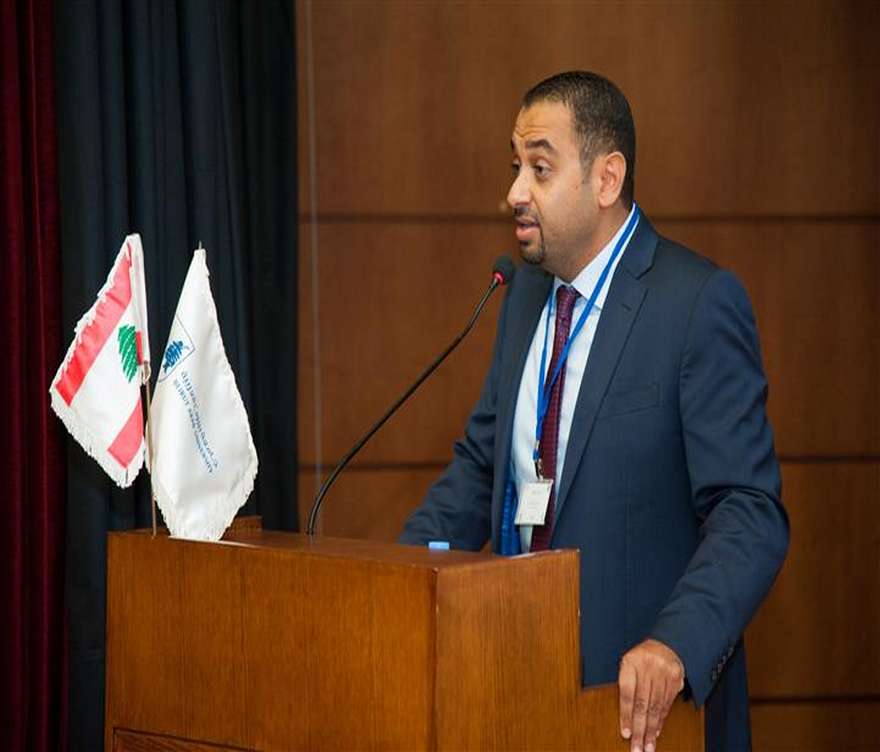
After the National Anthem and the BAU Anthem were played, Labaki took the floor: “The National Institute of Management, which is mainly responsible for the training of the public-sector employees, has always been keen on opening up to local and international universities, to the organizations of the civil society, and to other organizations concerned with training and administrative development. There is much cooperation to propose solutions for many of the challenges faced by various educational and economic sectors in Lebanon.”
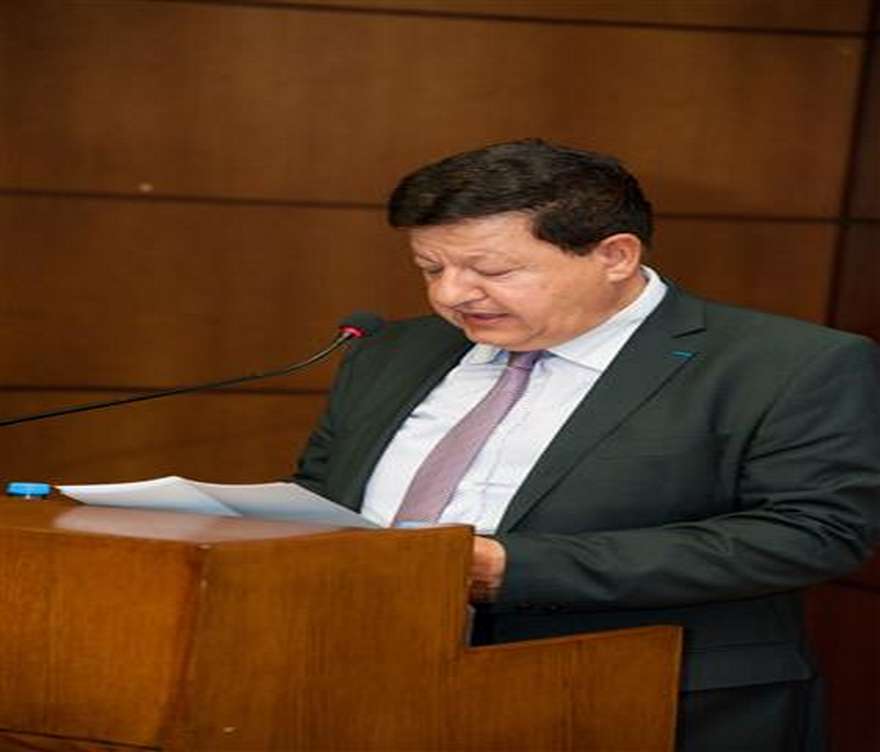
The President of BAU then chaired the first session, entitled “The decentralized authorities in Lebanon and their relation with the central authority”. He pointed out the role of the University in contributing to development and rendering the services needed by the society at all levels, as well as providing human abilities. He further added, “This is our strategy since we opened the BAU Branch in the North. Our aim is to provide the people of the area with high-quality education and to offer our services to Tripoli and the North. In this framework, it is our pleasure to cooperate with the National Institute for Management. I would like to congratulate the Lebanese on the municipality elections, where they proved that they are able to exercise their constitutional right.”
In turn, Kabbani lectured on “Administrative Decentralization and Co-existence”, in which he clarified that “The Preamble to the Constitution reiterates in each article the importance of coexistence, and secures all aspects and guarantees to enhance it. The first article establishes the basic principle for co-existence, maintaining that Lebanon is a free and independent country for all its citizens. This unity enhances the cultural, social and economic balance.”
Lawyer Antoun Karam tackled the role of “The Decision-making and the Executive Authorities in the Municipalities and their Superintendence”. He pointed out the powers, qualifications and tasks of the municipality council, since the “Basic rule is that the municipality council resolves, through its decisions, all the issues relevant to the public interests in the town.”
The Head of Tripoli Municipality then chaired the second session, in which Financial Judge, Wassim Abu Saad, spoke about the financial monitoring of municipalities and the role of the Court of Audit. He stressed the importance of “Prior monitoring which appears particularly in the superintendence of public agreements, solving problems, as well as combating waste and corruption.”
El Sherif spoke about the “Financial Superintendence of Municipalities”. She distinguished between the municipalities and the Federation of Municipalities under the Public Accountancy Law and those that are not subject to the law. She explained the types of prior superintendence of the powers of Municipality Councils, enumerating the powers of the head of the municipality council.
The workshop will be resumed on 17th September 2016.