

BAU Celebrates the International Anti-Corruption Day
17 December 2014
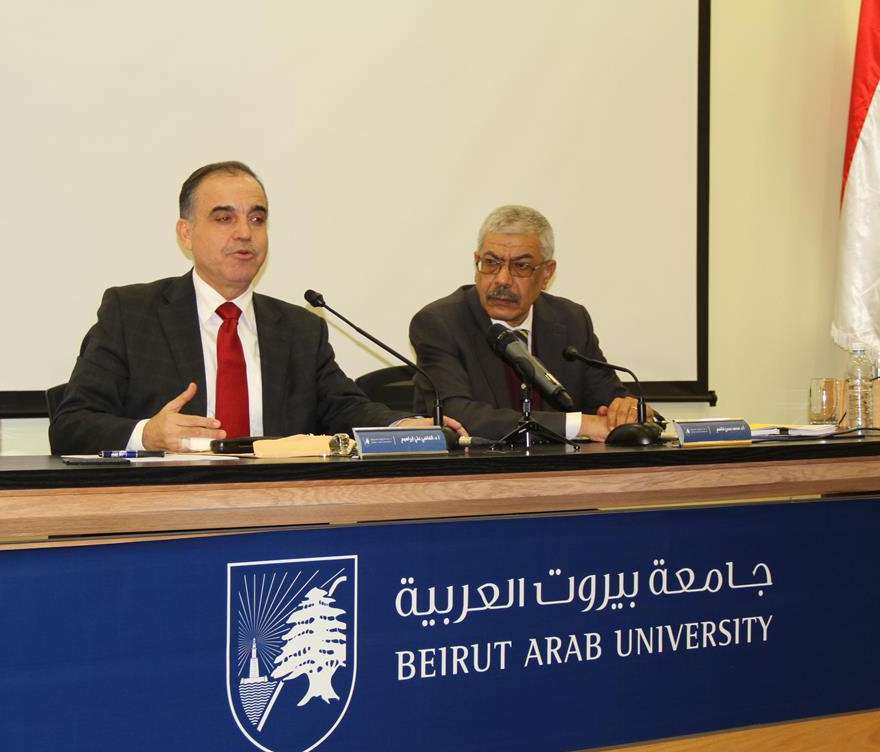
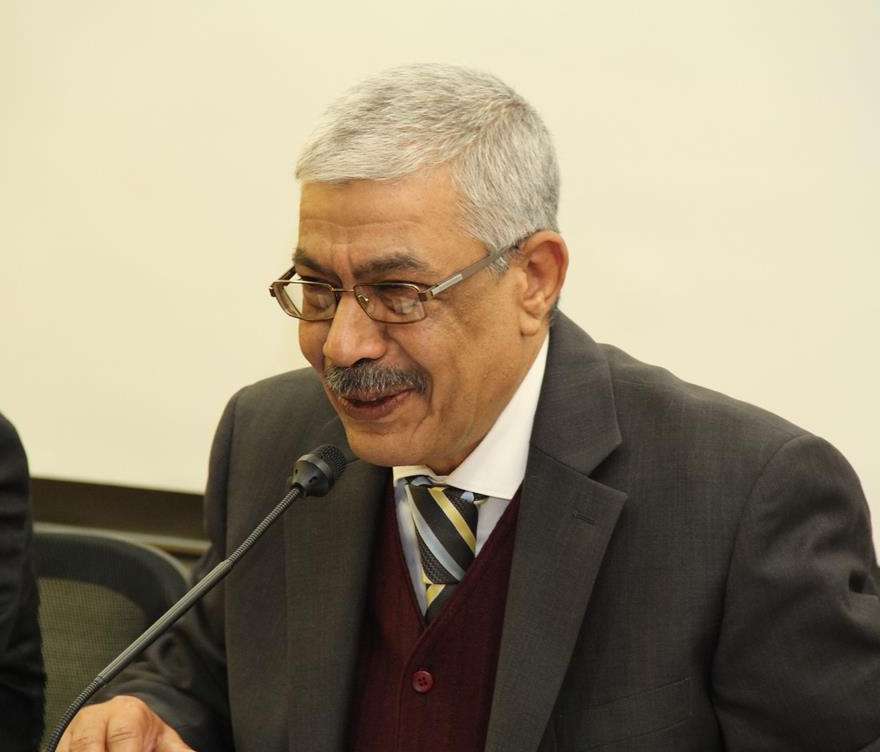
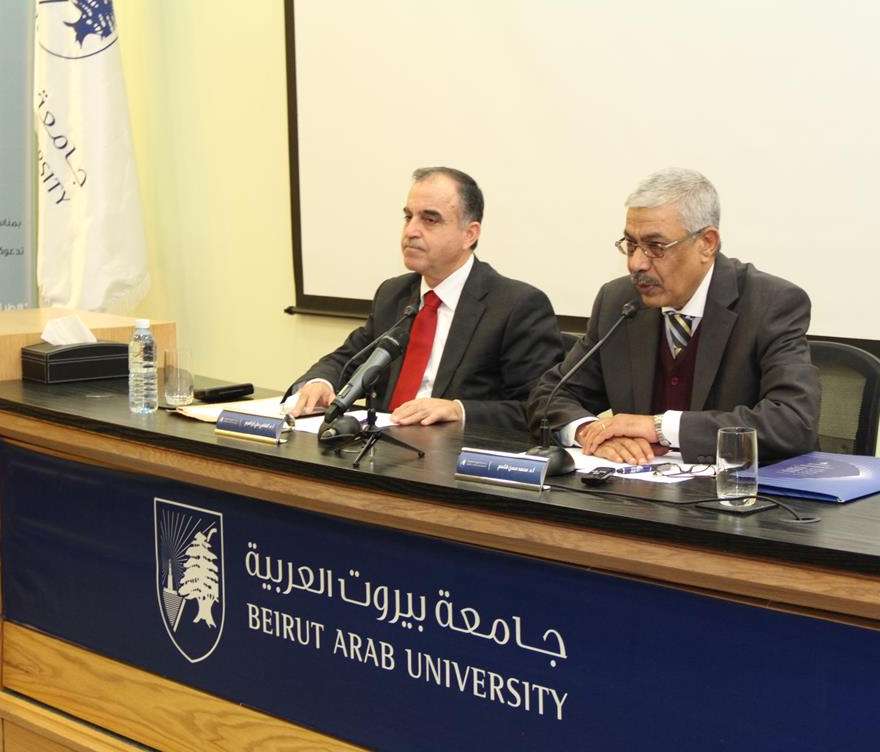
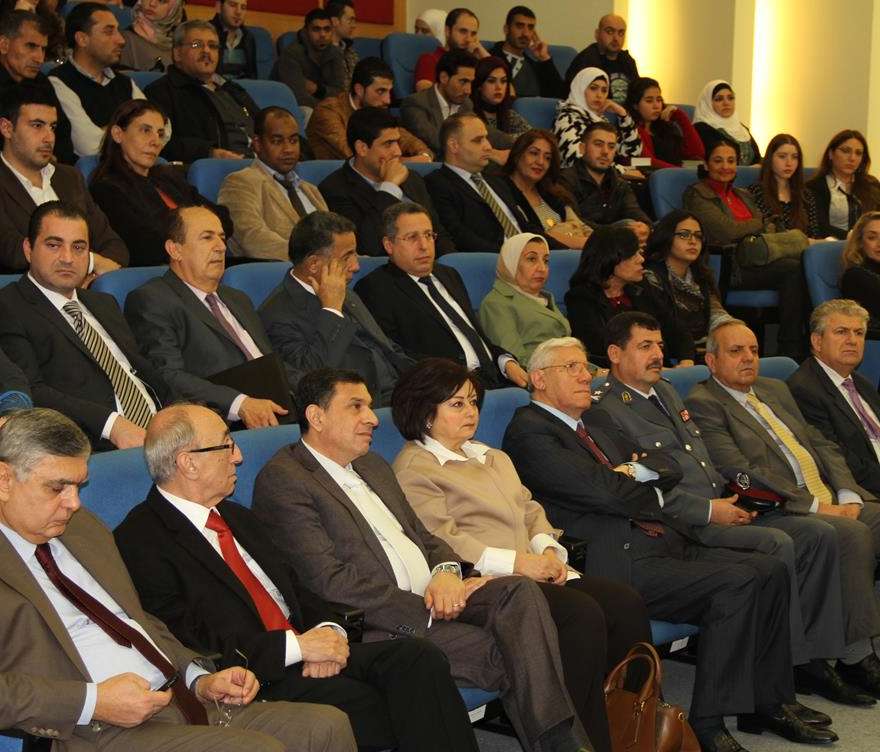
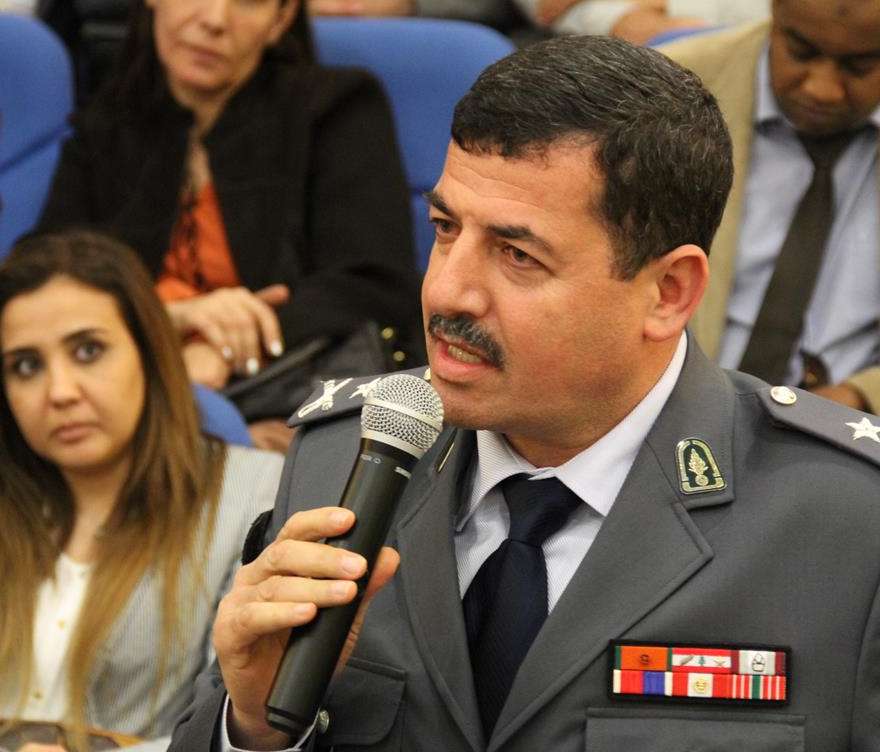
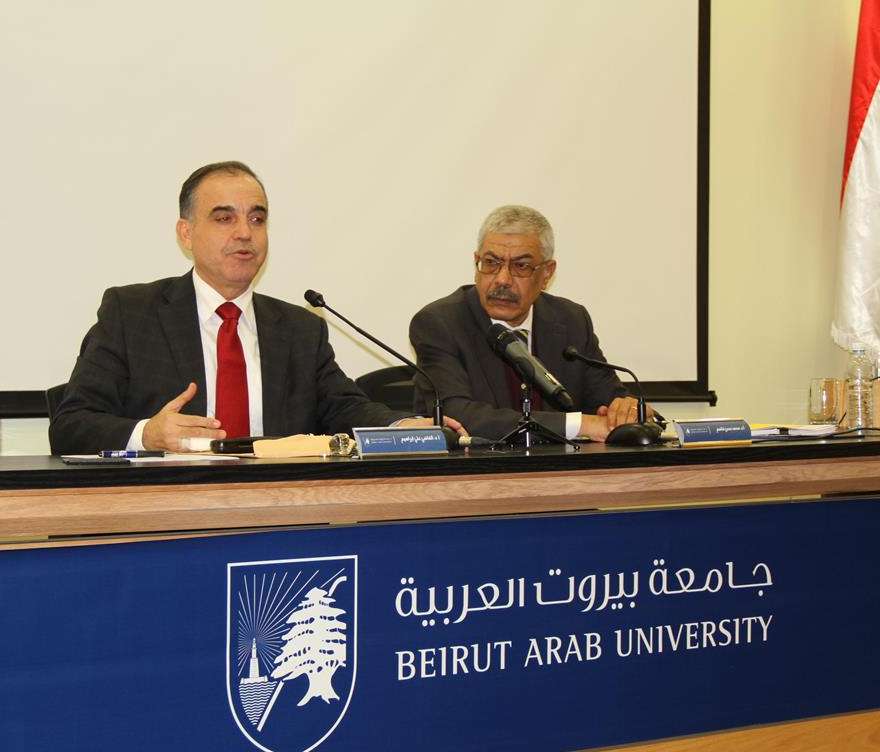
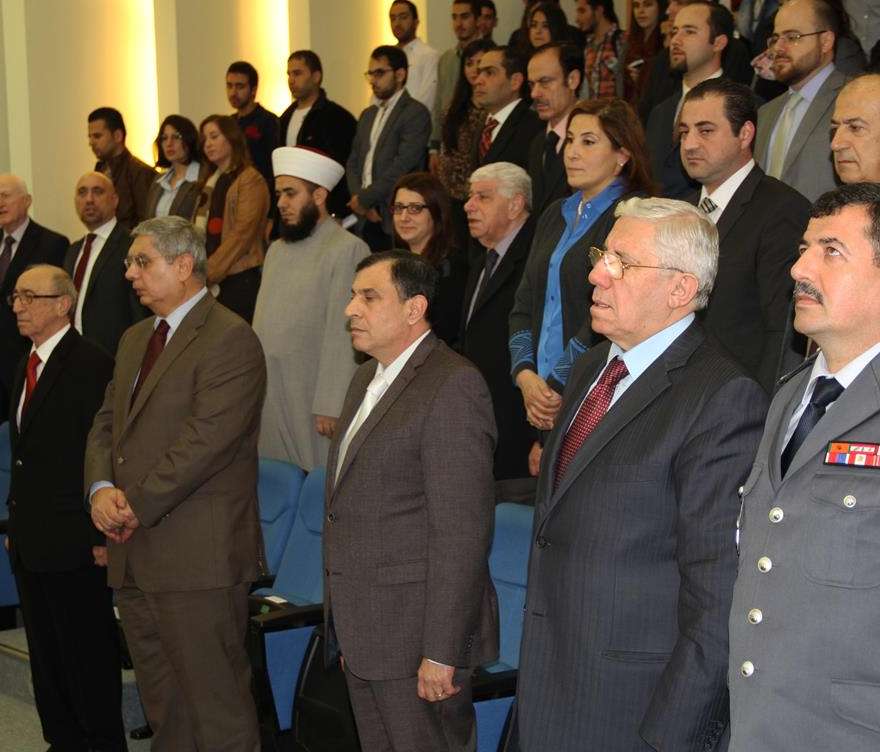
The Faculty of Law and Political Science at Beirut Arab University celebrated the “International Anti-Corruption Day” through a legal seminar entitled “The Legal and Practical Frameworks towards Combating Corruption”. The seminar was moderated by the Dean of the Faculty, Prof. Dr. Mohamed Kassem, and was attended by Mr. Omar Zein, Secretary General of the Arab Lawyers’ Federation, Colonel Adel Machmouchi, Head of the Investigation and Inspection Unit of the Internal Security Forces, Mr. Noureddine Kabalan, representing the Head of the Lawyers’ Order, Dr. Omar Khayyat, Secretary General of the Arab Organization for Combating Corruption, Prof. Dr. Amr Galal El Adawi, President of BAU, Mr. Issam Houri, Secretary General, in addition to the deans of faculties, students, and a large crowd of the judiciary, the legal and the military corps.
The seminar cast light on the various forms and aspects of corruption prevailing in Arab societies, by reviewing the Lebanese, Egyptian and Jordanian experiences in management, education and the judiciary.
After the Lebanese National Anthem and the University Anthem were played, Prof. Mohamed Kassem opened the seminar with a speech in which he reiterated that the Faculty continues to tackle hot topics most important of which is corruption. He explained that the concept of corruption was mentioned in the holy books, and prevails in the world today. Prof. Kassem drew a comparison between corruption in the developed countries, where criteria of accountability are found, as opposed to corruption in the Arab World. He proceeded to review the Egyptian experience, and the problems that have faced the judiciary and the law since the issue of Omar Effendi until the time of ex-President Mohamed Hosny Moubarak.
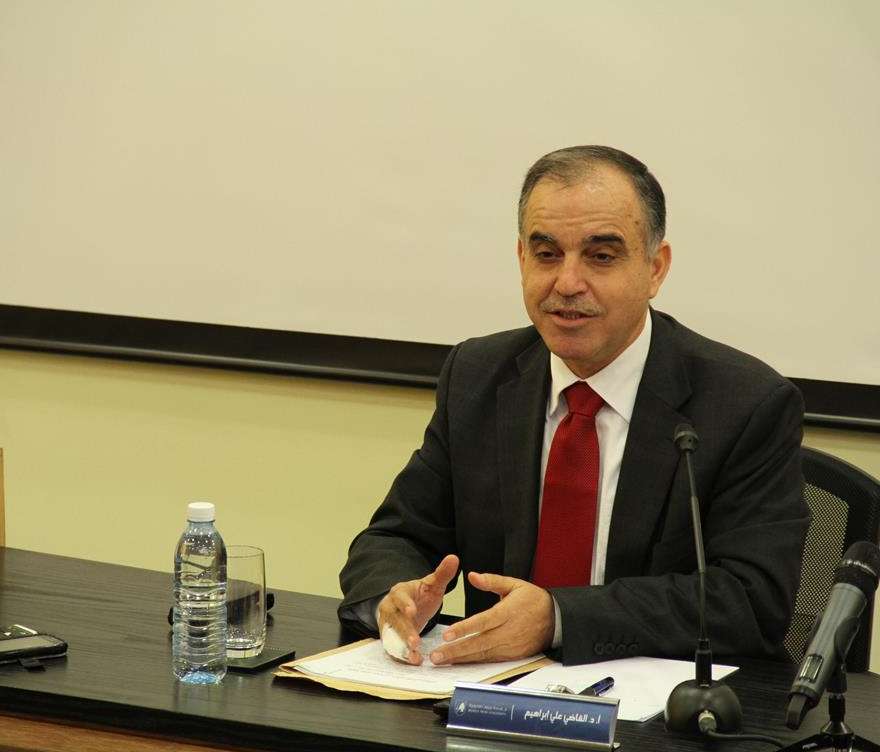
The General Financial Prosecutor, Judge Dr. Ali Ibrahim spoke next, describing corruption as a general state of affairs, not limited to any one sector in society. He reviewed the various crimes committed under the title corruption, and called upon all administrations and ministries to purify themselves of the corrupt. Judge Ibrahim offered a number of examples from the Lebanese experience, pointing out the obstacles that hinder the General Prosecutor from performing their full powers. He attributed this to the reduction of permits for the prosecution of employees in the various administrations. He also spoke about purchase-contracts that stand in violation, cases of embezzlement as well as the latest measures undertaken by the Ministry of Public Health. He revealed that a number of monitoring physicians have been suspended who had signed blank documents, in addition to suspensions of people who facilitated the entry of goods in breach of regulations via Rafiq Hariri International Airport.
Prof. Dr. Mohamed Mosbah, Professor of Penal Law at the Faculty, maintained that corruption and terrorism are two sides of the same coin. He argued that current legislations are ineffective in combating the phenomenon, and reviewed the examples of bribery and the illegal seizure of public monetary as an aspect of corruption.
In turn, Dr. Abdallah Abdel Karim Abdallah, Professor of Civil Law at the University, spoke about the Jordanian experience. He drew attention to the latest procedures undertaken in this respect. He also stressed upon the importance of international cooperation to combat the phenomenon, such as the Lebanese-Tunisian cooperation concerning the smuggling of the wealth of ex-Tunisian President’s wife, Bin Ali.