

BAU Celebrates the “International World Diabetes Day 2012”
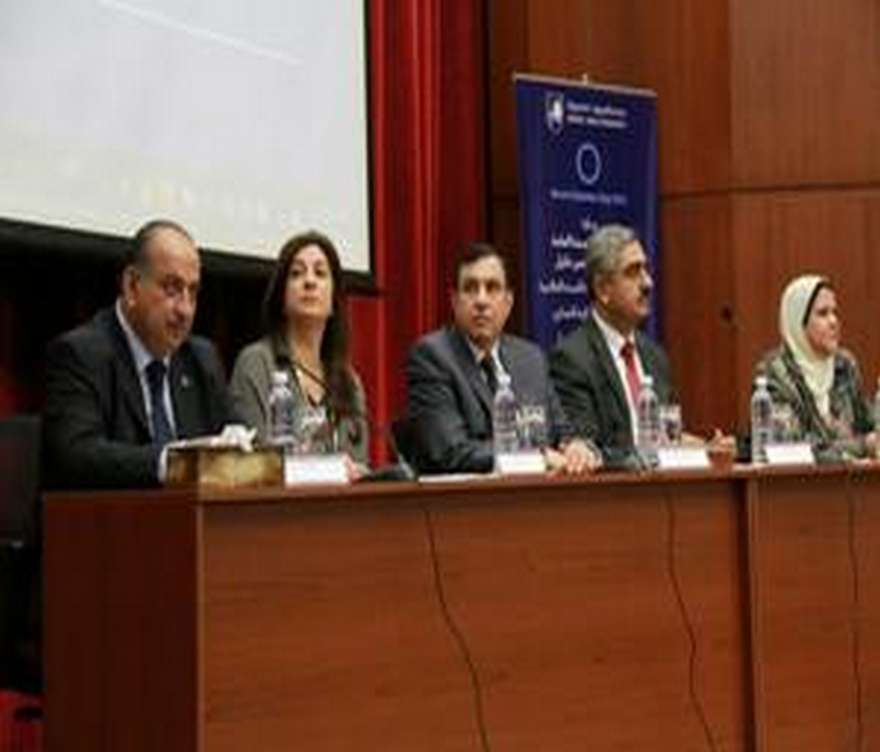
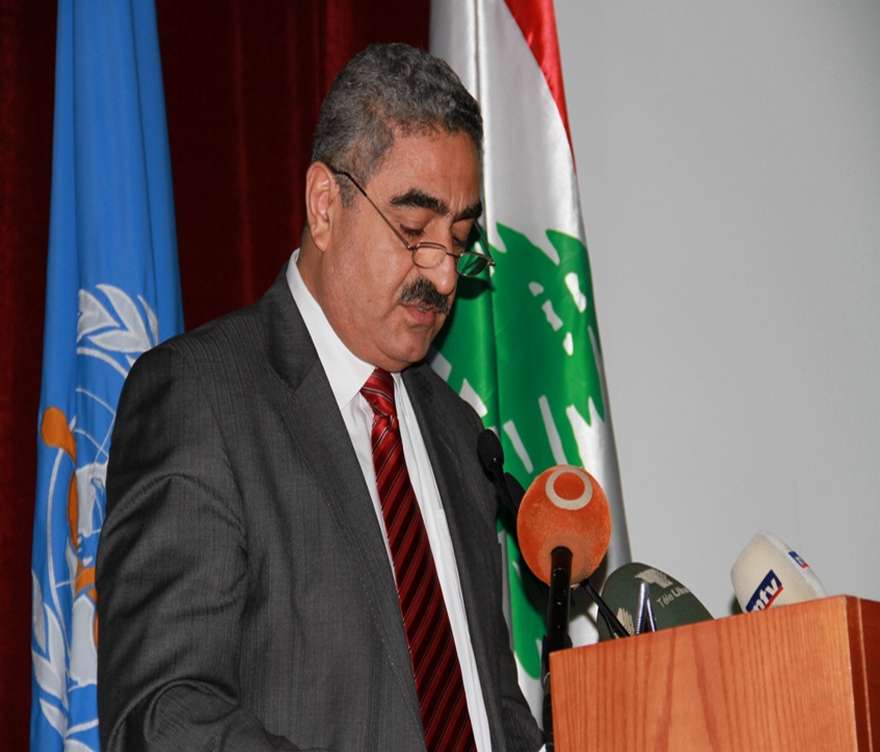
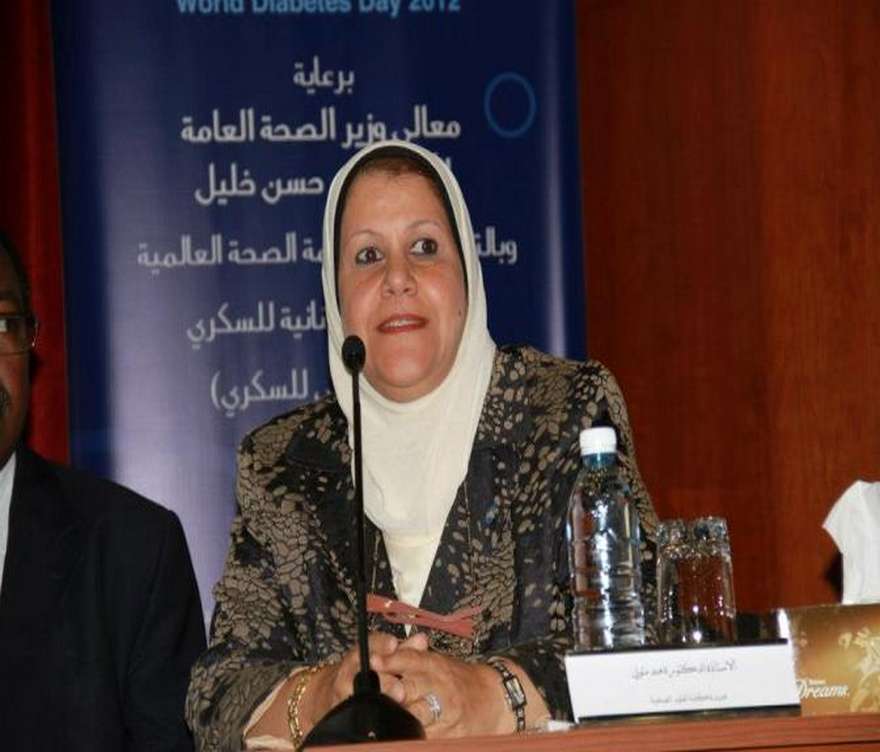
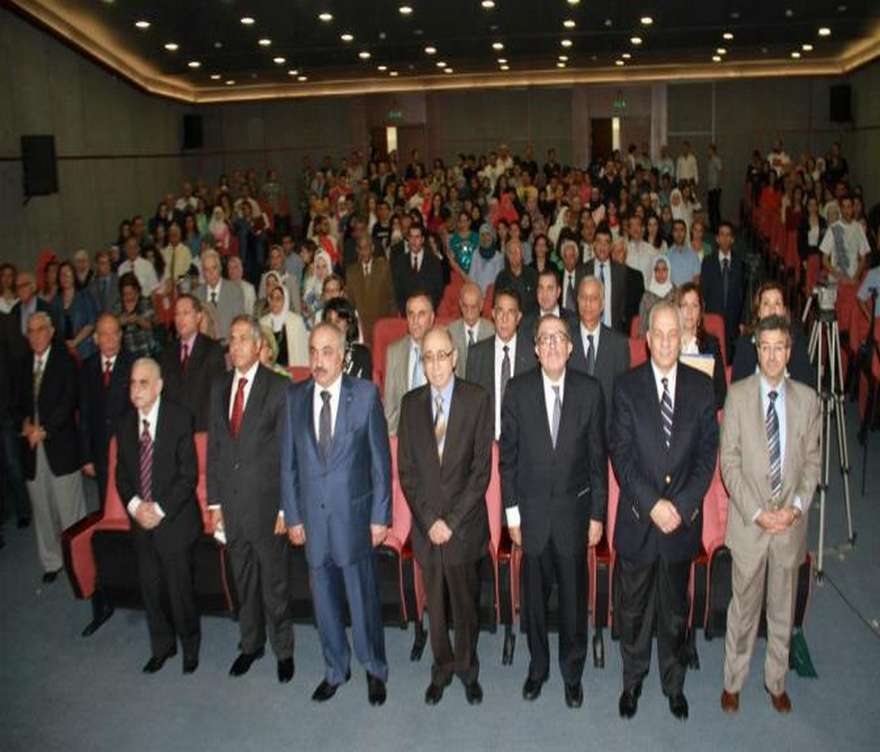
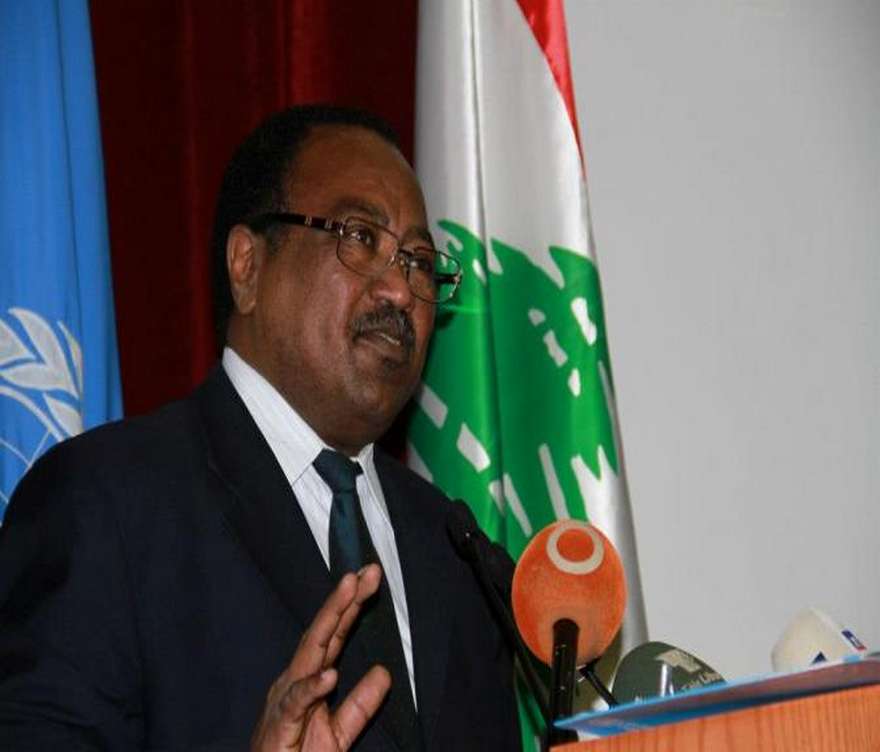
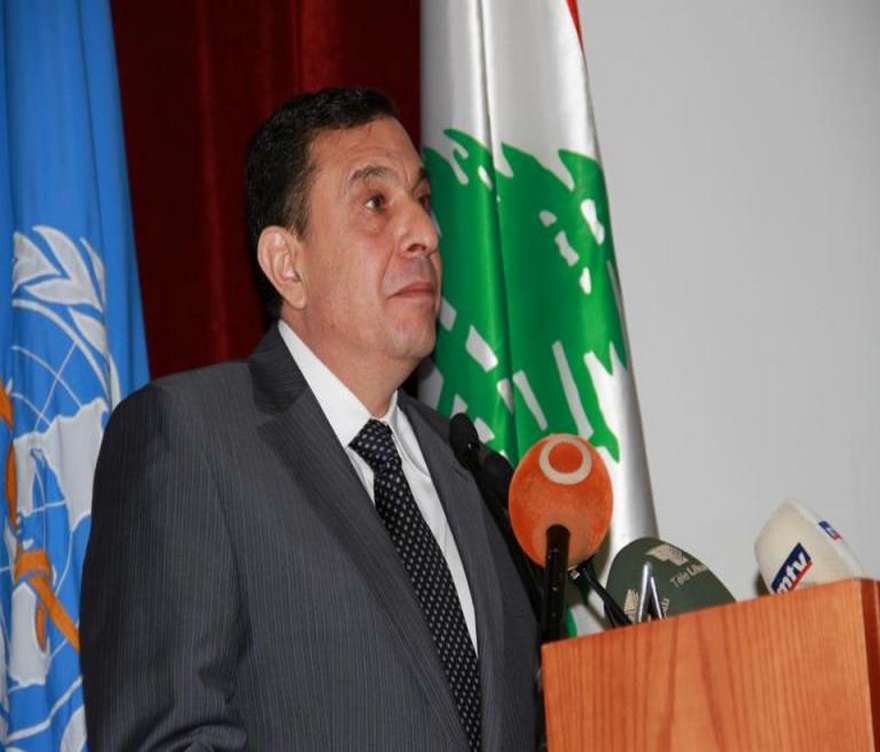
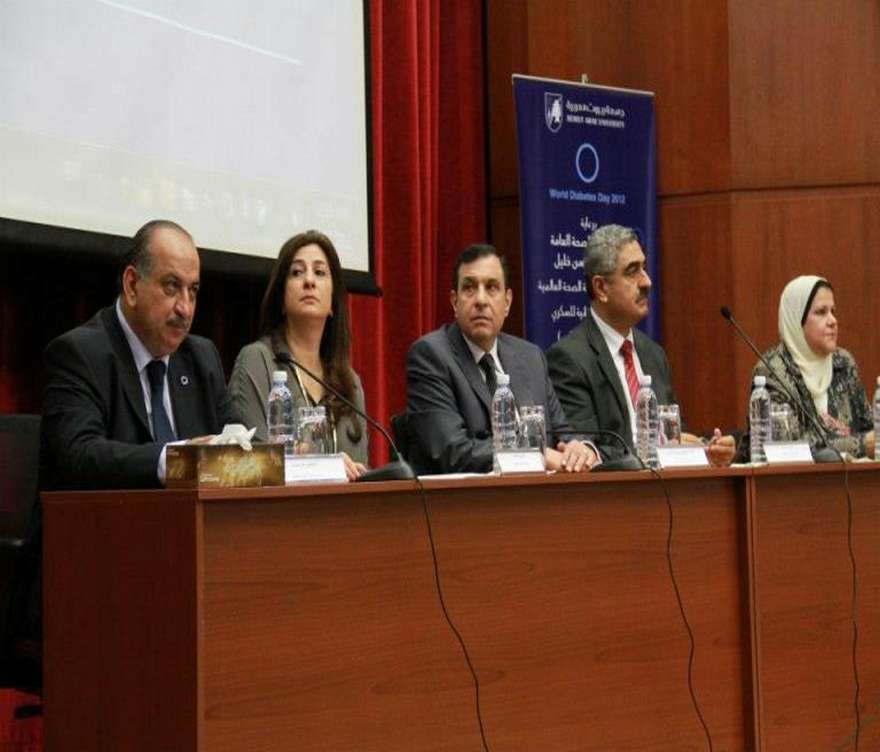
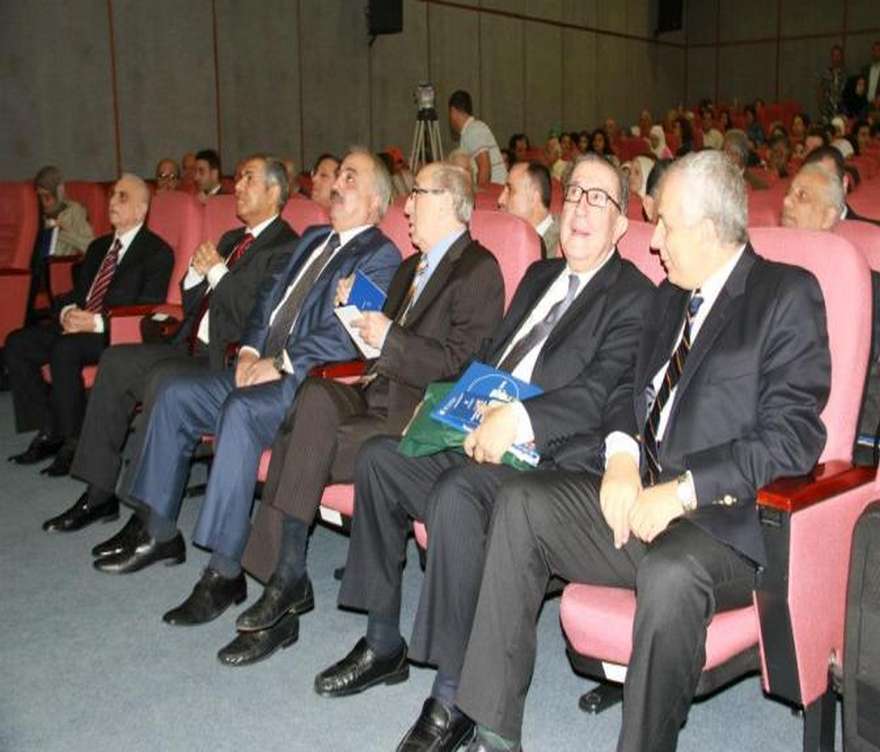
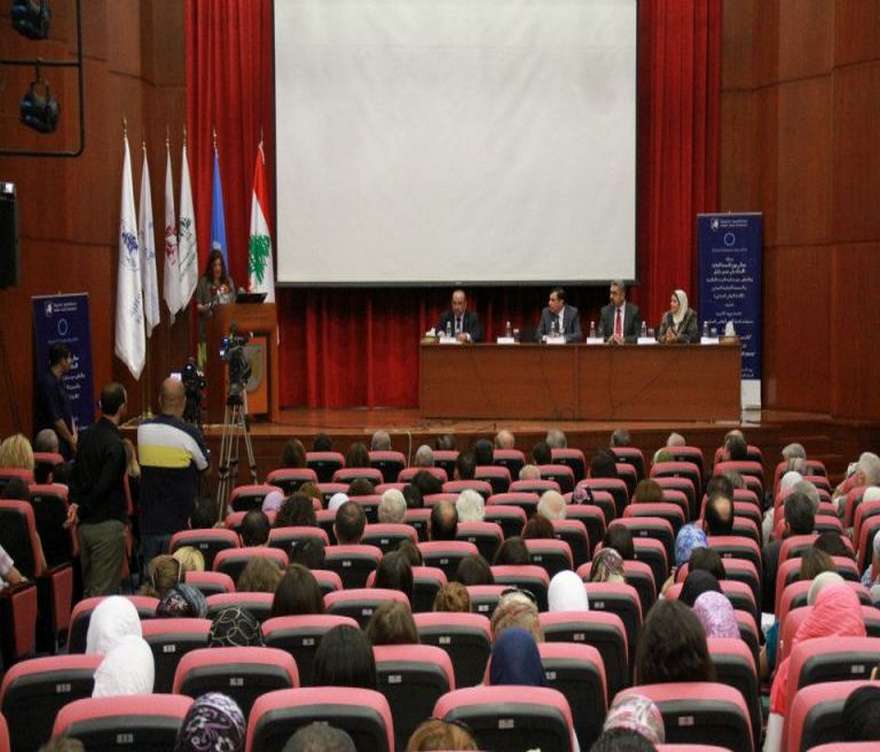
08 November 2012Under the auspices of the Minister of Public Health, H.E. Mr. Ali Hassan Khalil, represented by the General Director Dr. Walid Ammar, Beirut Arab University- Faculty of Health Sciences represented by the Dean Prof. Hind Mitwally, and in cooperation with the WHO in Lebanon, and in coordination with the Lebanese Society of Diabetes (representing the International Federation of Diabetes in Lebanon), celebrated the “International World Diabetes Day 2012” under the slogan “Diabetes: Protect our Future”. The event which was held on the 8th of November 2012 at Jamal Abdel Nasser Hall was attended by MP Mr. Mohammad Al Hajjar, ex-Minister Dr. Adel Qurtass, Egyptian Ambassador Mr. Ashraf Hamdy, President of BAU, Prof. Dr. Amr Galal El- Adawi, representative of WHO in Beirut, Dr. Hassan Al Bishry, Head of the National Program for Diabetes, Dr. Mohamed Sandeed, representative of the International Federation of Diabetes, Dr. Hala Mghabgheb, President of Bir and Ihsan Society, Mr. Toufic Houri, Secretary General of BAU, Mr. Issam Houri, Vice Presidents, Deans of Faculties, Director of Public Relations Administration, Mrs. Zina Ariss, a number of University Directors, and a crowd of specialists and interested people.
The Day aims to highlight the size of the problem caused by diabetes as one of the most prominent health problems on both the international and the national levels at the same time. The number of cases of diabetic patients worldwide amounts to 380 million affected. Four million persons die annually in the world due to this disease. The percentage of diabetic patients in Lebanon has witnessed a steady increase, exceeding 20% of the population. The disease now affects also younger age-groups, compared to other countries, due to excessive weight, lack of exercise and the shift of society to a more modernized life-style. In addition to excessive weight, a diabetic patient also contracts hypertension, and increased cholesterol levels in the blood. This disease has become life-threatening and is no longer merely a health-threat, which caused the WHO to declare it a worldwide epidemic in 2007. It is considered one of the most important chronic diseases that face medical systems, and requires setting health planning priorities, both at present and in the future.
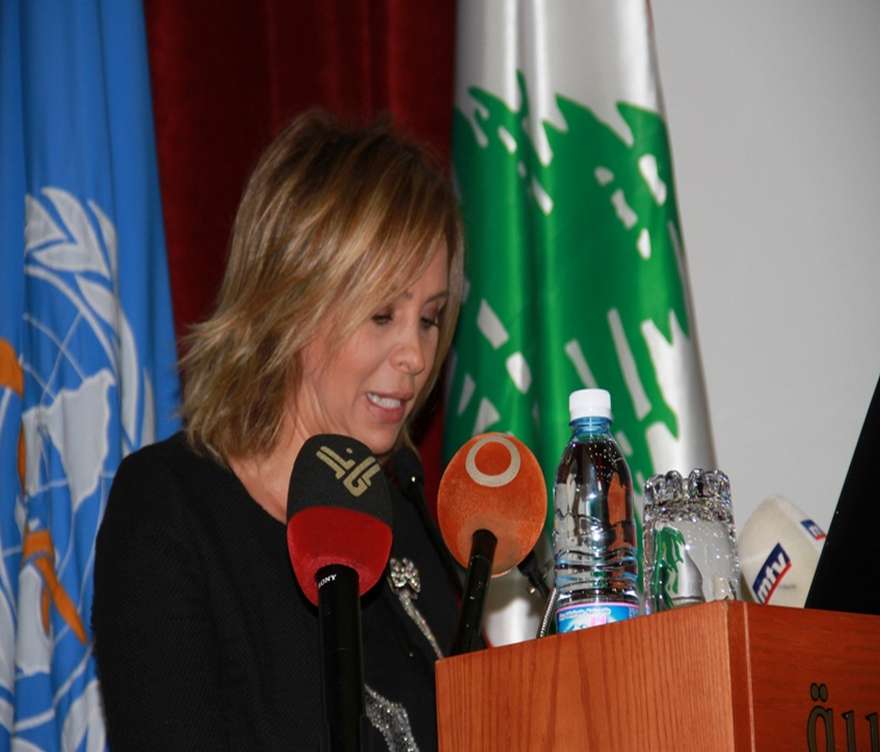
After the Lebanese national anthem was played, event announcer Denise Rahmé Fakhry stressed the importance of this Day, by highlighting the latest international updates in the field of diabetics, which has become a serious epidemic that is spreading at a frightening pace among grown-ups and children alike.
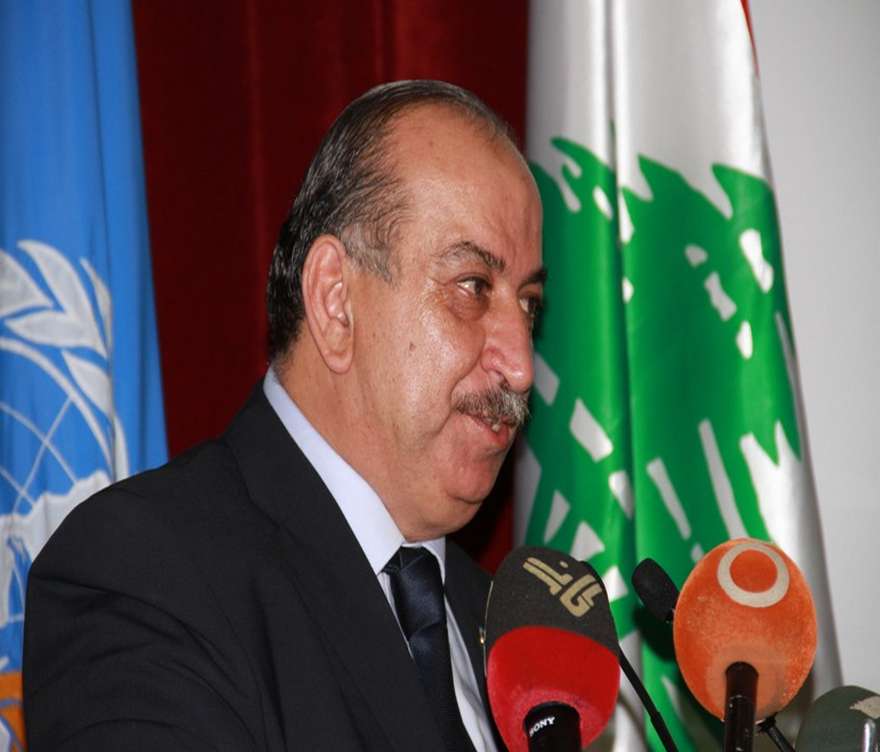
General Director at the Ministry of Public Health, Dr. Walid Ammar, emphasized the role played by the Ministry in this respect. A few years ago the Ministry set up a national committee and program to combat diabetes. His Excellency, Minister Ali Hassan Khalil, launched last month a national campaign for the early detection of all these diseases, especially diabetes and hypertension. The Ministry also secures medical care for those who have no insurance, as well as expensive medication that the citizens cannot afford.
The President of Beirut Arab University, Prof. Dr. Amr Galal El -Adawi hailed in his speech the efforts exerted in securing the citizen’s health. He also called for a partnership that would promote the work of the National Diabetes Program, taking up scientific research as a method for dealing with the disease, in an attempt to monitor its spread and evaluate efforts towards combating it.
El- Adawi added, “Here at BAU we are concerned with this event as an academic issue. It is part of the paradigm of educational programs in the medical faculties, where awareness raising is promoted and field training is enhanced, towards building up qualified and efficient human resources that contribute to health-care efforts through services and community-based campaigns.
The Director of the National Diabetes Program, Dr. Mohamed Sandeed then wondered, “Why is there all this interest in non-communicable diseases, especially diabetes? The answer is, that in addition to their terrifying spread, there are tremendous expenses incurred by the disease and its complications. These are becoming a heavy burden in all countries. One should not overlook the negative social and psychological effects of these diseases when diagnosed. When neglected by the patient or the medical system to provide the best services possible towards preventing their complications, these diseases aggravate to become a form of slow death. This comes in the light of the recent rise of Lebanon, according to the latest statistics, to be the first country worldwide in terms of percentages of patients affected by the disease and its spread.
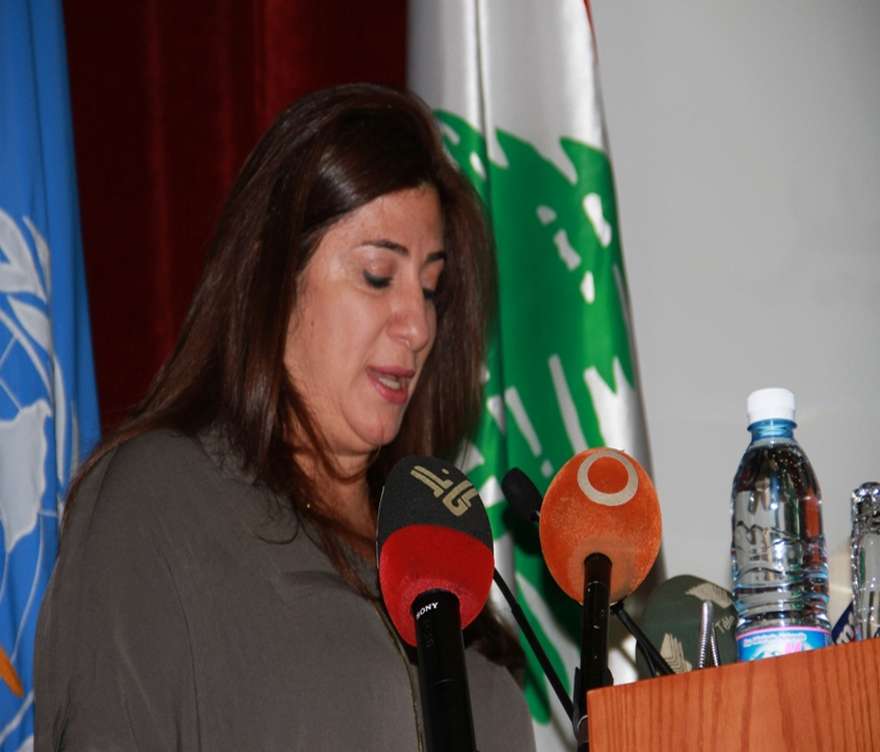
Dr. Hala Mghabgheb gave a speech on behalf of the International Federation of Diabetes, representing its president Michael Hurst. She highlighted “the frightening figures on the spread of diabetes in the Arab World, as published in Dubai during last year. These figures cause us to double our efforts towards hemming in this disease and preventing its dangers. This calls for imminent procedures to be taken by the authorities and the society, whether in terms of prevention and alertness to the risk factors, or in terms of early detection, health monitoring, obviating the complications and adopting the most adequate means of treatment.”
Dr. Hassan Bishry, representative of the WHO in Lebanon, said that “the Organization has for years sought to secure a healthy environment for the children to grow up in, with the least degree of exposure to factors that adversely affect their health in the future. However, there are signs that indicate that exposure to these factors is constantly on the rise. The Organization is working on drafting laws that restrict the promotion of harmful foods, while regulating the foods available in schools and encouraging movement and exercise.”
This was followed by a film-showing and the presentation of statistics that elaborate on the current state of diabetes in Lebanon and the world.