

Beirut Arab University Celebrates the World Kidney Day at Tripoli Campus
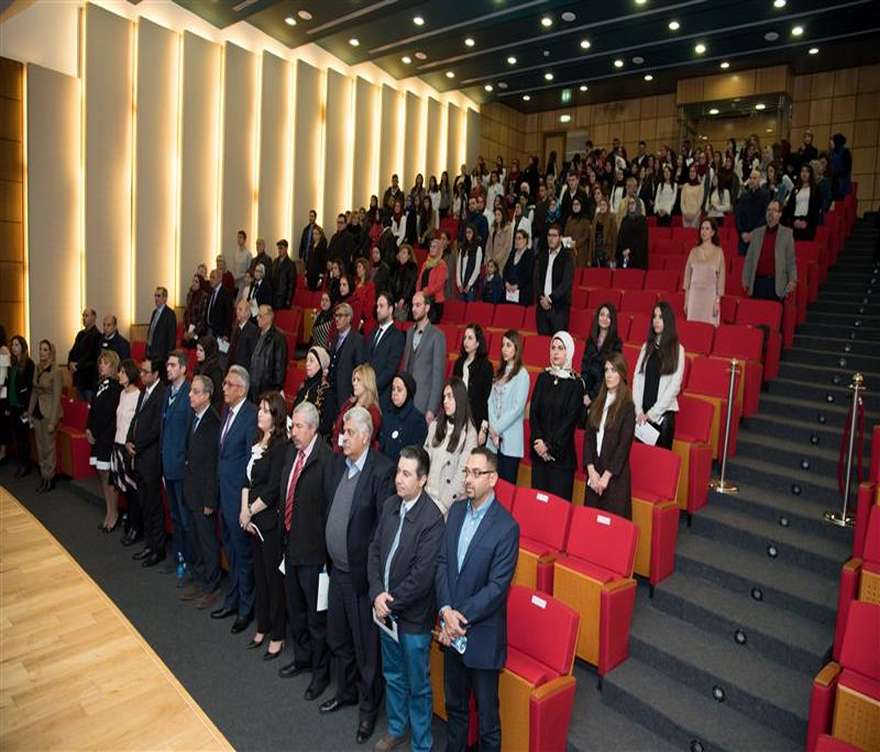
11 March 2017The Faculty of Health Sciences at Beirut Arab University- Tripoli Campus Celebrated the World Kidney Day by organizing an event entitled “Healthy Lifestyle for Healthy Kidneys” on the 11th of March 2017. The event was organized in cooperation with Mazloum Hospital, and the Arab Union of Specialized Women derived from the Economic Unity Council at the Arab League. The event was attended by HE Minister Mohamed Safadi, represented by Dr. Mostafa Helweh; the directors of medical organizations and NGOs; as well as the directors of the faculties, the staff-members and a crowd of students.
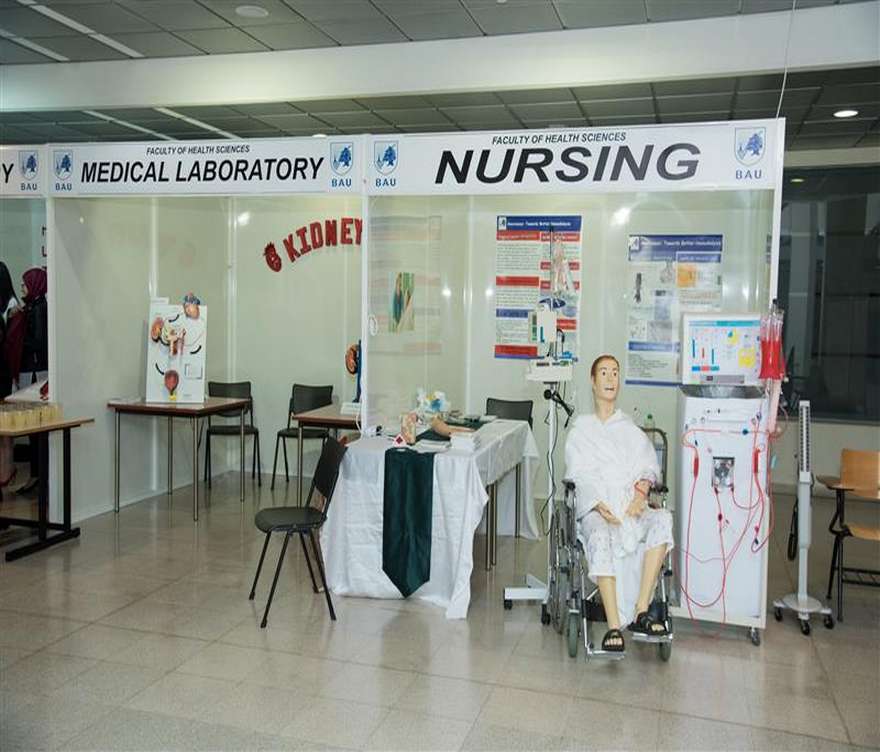
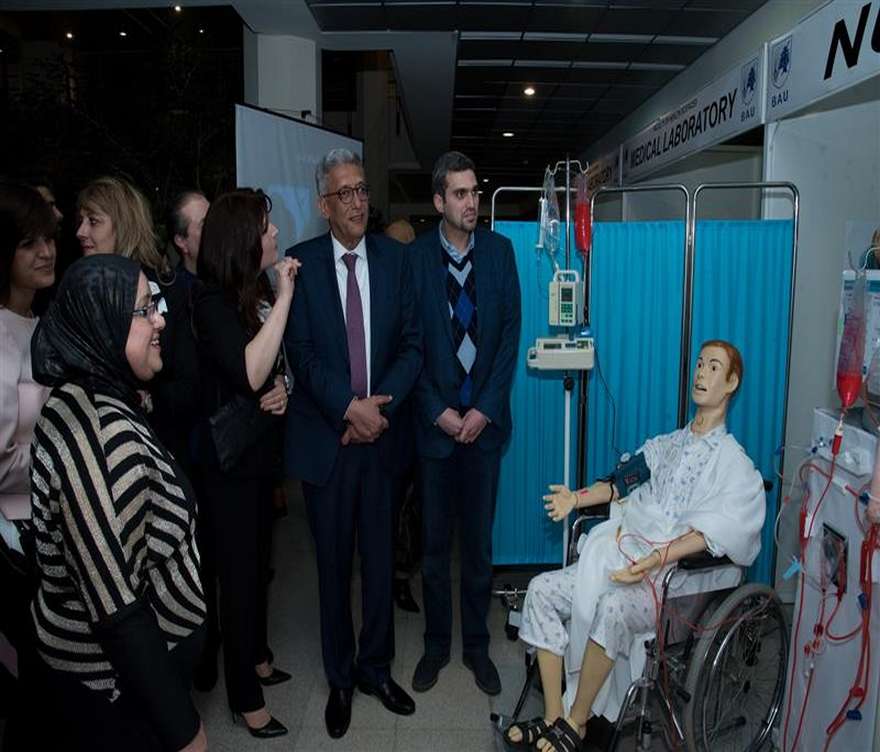
A welcoming note was delivered by the Director of the Faculty of Health Sciences, Dr. Nisreen Bisar Tadmori, in which she expressed her appreciation of the students’ efforts in preparing the educational projects that were exhibited in the student activities exhibition. These included informative posters and models that explain the functions and problems of kidneys, as well as the means to prevent diseases. She also praised the participation of the Nursing Department students at Tripoli Branch, which was launched in 2016/2017, receiving a distinguished class of students in the regular program and in the bridging program for TS holders. Dr. Tadmori also announced the opening of the nutrition clinic in Tripoli Branch, which offers services at minimal prices for all the academic and non-academic staff at the University, in addition to the community at large. The clinic is part of the plans prepared by the Faculty and University to serve the community.
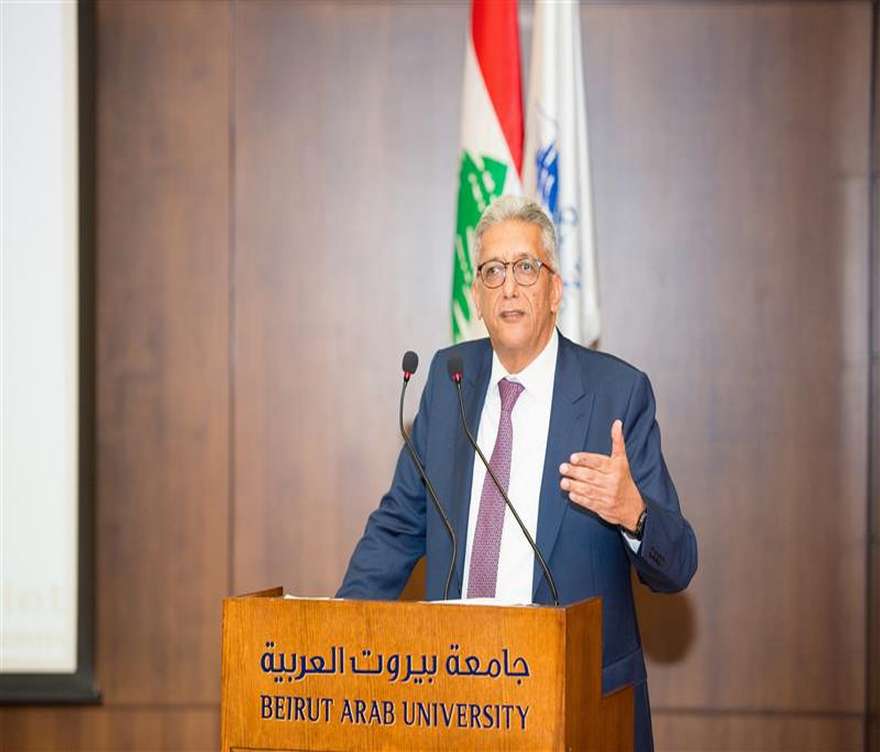
This was followed by a speech in which the BAU Vice-President for Tripoli Branch welcomed the guests and thanked the students for their keenness on transfering their knowledge and expertise to the community in the North.
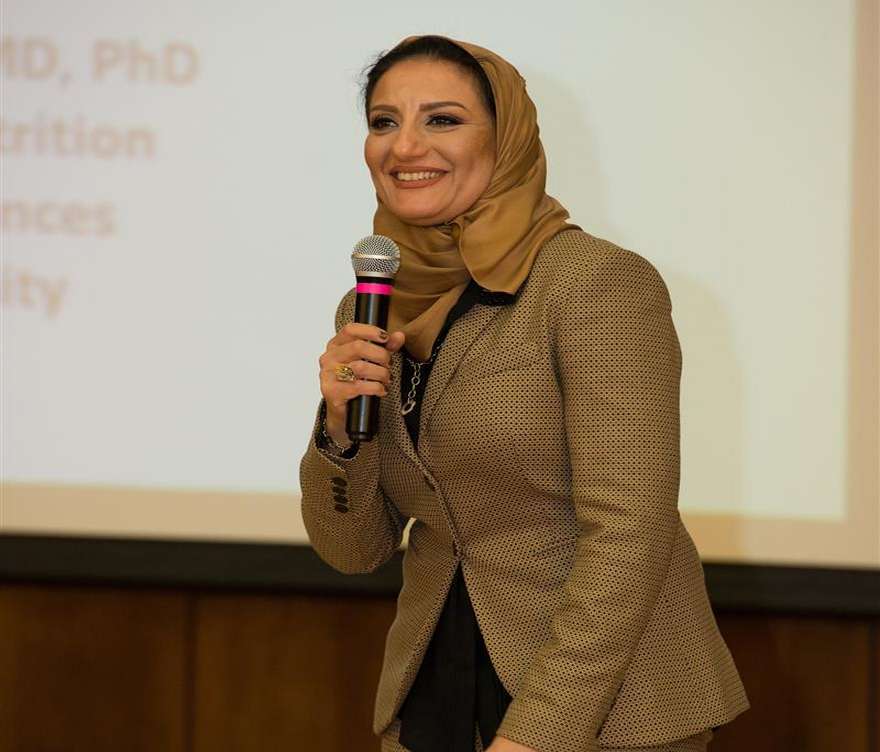
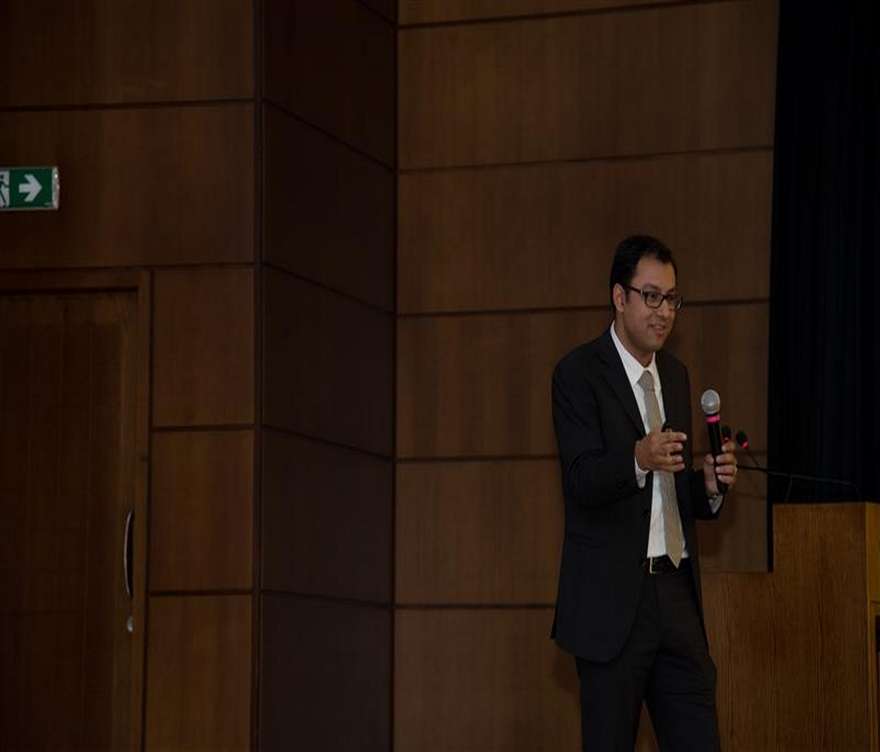
A seminar was held during the day under the title of “Chronic Kidney Disease: The Hidden Consequences of Obesity”whereby Dr. Germine Qassass, Assistant Professor of Nutrition opened it by highlighting the prevalence of chronic kidney diseases around the world and in the Arab World, as well as the risk factors that increase the prevalence rates, most important of which are diabetes and hypertension. She concluded by offering a number of preventive measures, stressing on the importance of sound nutrition to preserve the health of the kidney.
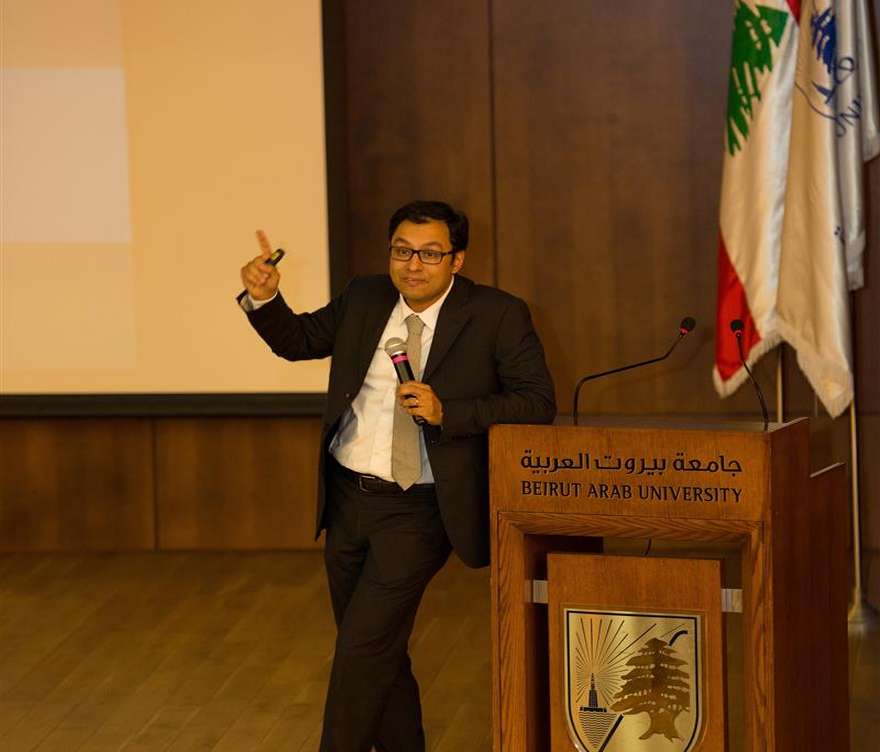
Dr. Rashad Alameddine, a specialist in nephrology, spoke next of the physiological role played by the kidney in purifying the blood, which leads the kidney to lose part of its ability to perform this function adequately as the human being grows older. He also stressed on the significance of the early diagnosis of chronic kidney diseases, the risks of accompanying complications, and their adverse impact upon the patient’s life.
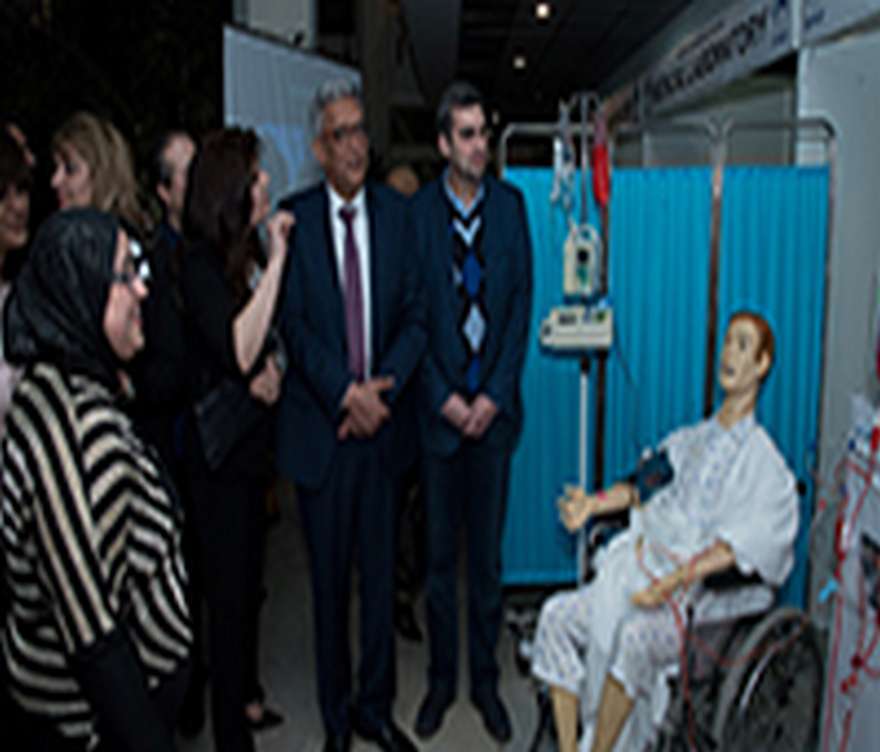
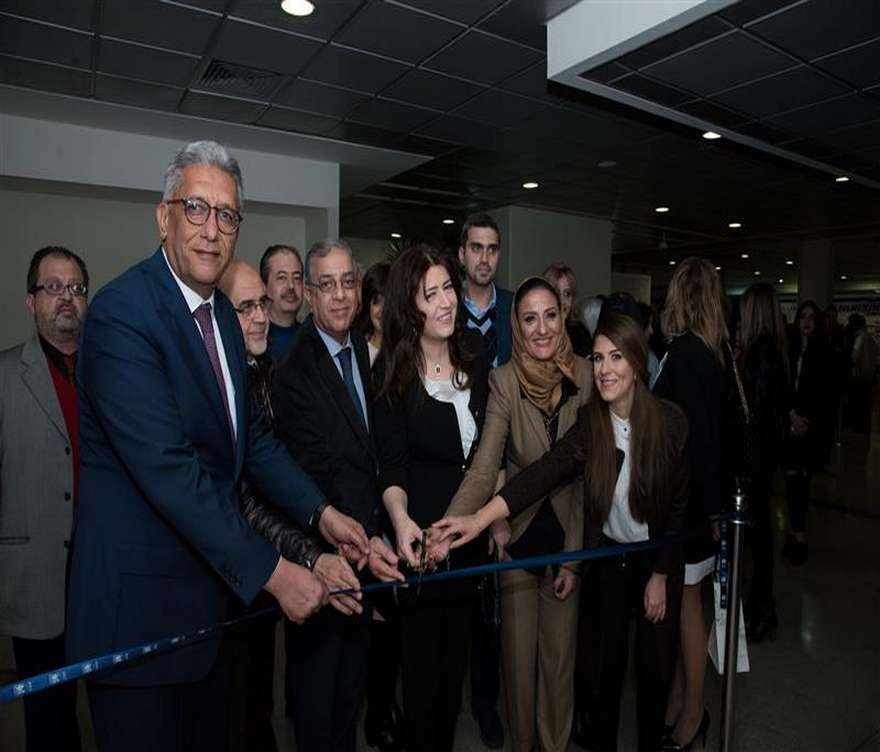
After the seminar, the Nutrition Clinic was inaugurated, and the guests toured the students’ projects exhibition, listening to detailed presentations explaining these educational projects.