

Doctor Metri's “Arab Revolutions: Promises, Inquiries and Prospects” at BAU
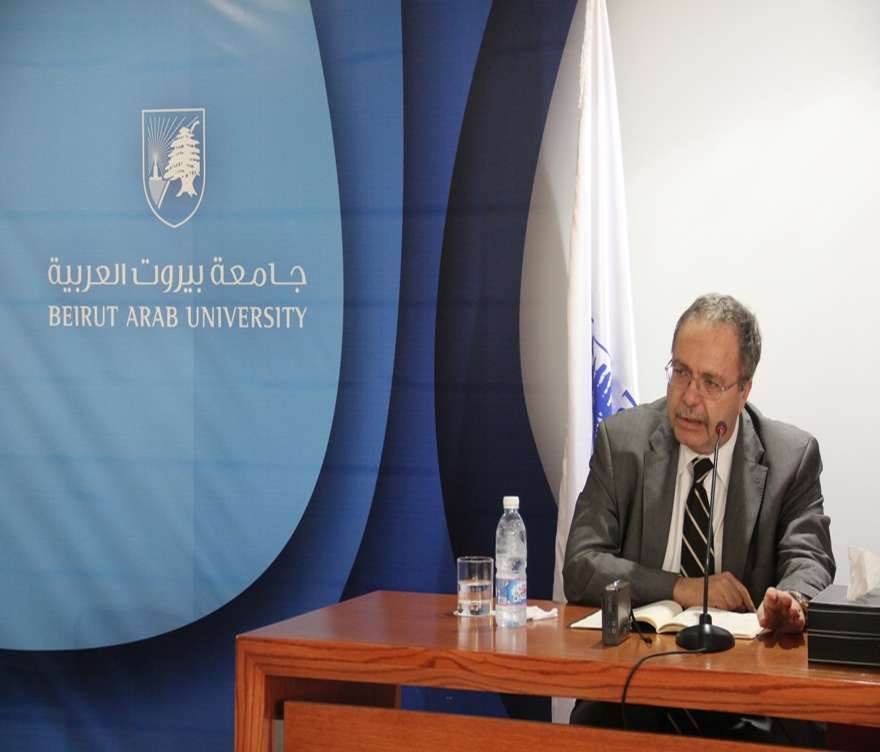
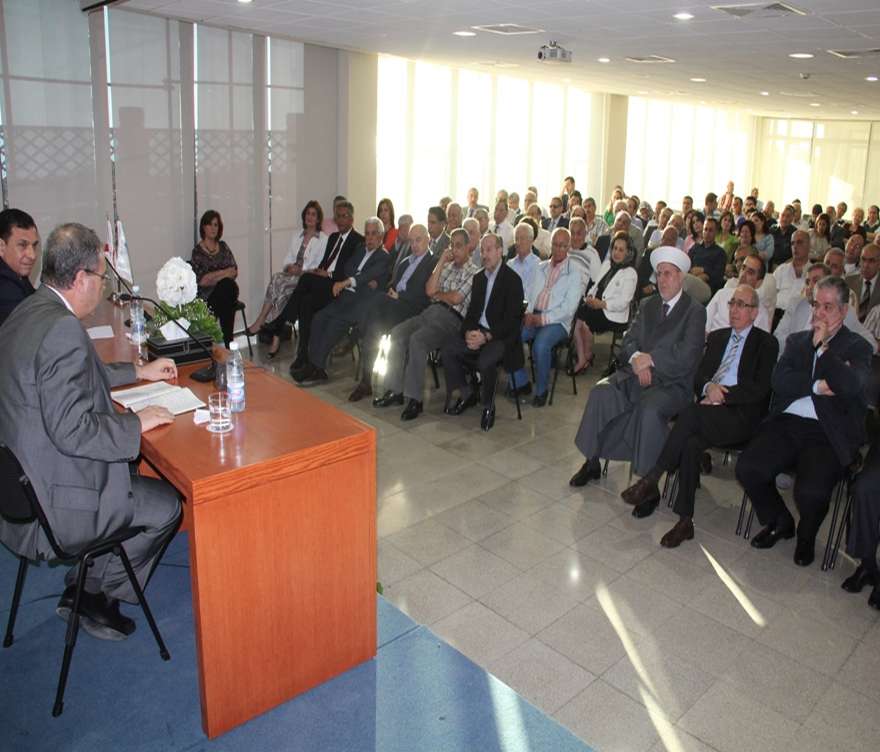
08 June 2012Beirut Arab University- Tripoli Campus hosted the former Minister Dr. Tarek Mitri in a comprehensive lecture whereby he lectured about the “Arab Revolutions : Promises, Inquiries and Prospects”. Dr. Mitri’s lecture dealt with the Arab Spring, its course and future and the reasons behind the Arab revolutions and uprisings, evaluating their course and foreseeing their future.
The lecture which was attended by a huge audience, was attended also by Prof. Amr Galal El Adawi, President of Beirut Arab University, Mr. Issam Houri, Secretary General of Beirut Arab University, Dr. Mostafa Alloush representing ex-Prime Minister Mr. Saad Al Hariri, Dr. Mostafa Al Helweh representing Mr. Mohammad Al Safadi, Minister of Finance, El Sheikh Malek Al-Shaar, Mufti of Tripoli and the North, Mr. Samir El Jisr, Mr. Badr Wannous, Dr. Saad Eddine Fakhoury representing Mr. Robert Fadel, Engineer Omar Al Hawz representing Dr. Nader Al Ghazal, Head of Tripoli Municipality, Lawyer George Jallad, Municipal Council Vice-President, Mr. Mohammad Issa, Head of Al Menaa Municipality, Judge Tarek Ziadeh, the Constitutional Council Vice President, Dr. Kamal Maawad, the Progressive Socialist Party Vice President, Ms. Faten Merhebi, Head of the Union of the Arab Sea Ports Representative Office, Dr. Ahmad Sanjakdar, Tripoli Campus Director, Mr. Ahmad Sankari, Head of the Alumni Association in the North, Faculty Deans, Faculty Members, Directors and representatives of the social, cultural and educational institutions.
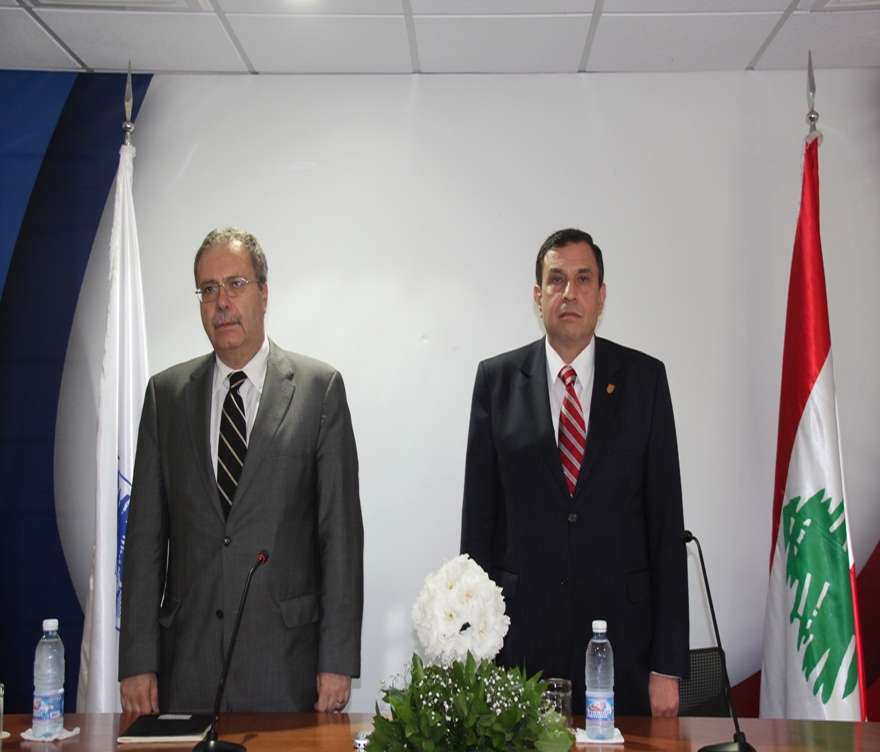
The lecture commenced with the National and the University anthems. After welcoming Dr. Metri, Professor El Adawi stated that the future of the Arab revolutions will be defined in the next stage of the peoples reactions against restrictions and their quest to restore their dignity.
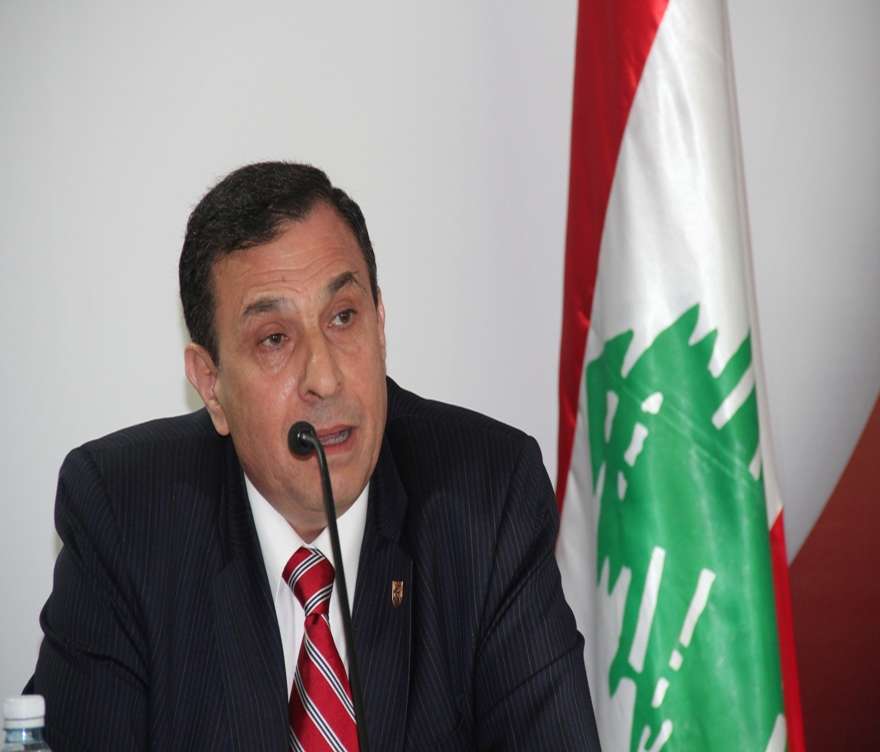
Dr. Metri, in his turn, referred to the politicians' convictions which eliminated the concept of change in the Arab World, hinting at the obstacles which obstructed the course of the revolutions and the uprisings since their start, as well as the reasons behind such revolutions and the conditions of their outbreak.
Dr. Metri also talked about the different labeling of the Arab revolutions and emphasised the peaceful nature of most of the revolutions. He also discussed the intimidation and conspiracy doctrines followed by the different regimes through disseminating the fear of being ruled by the opposition and the militant movements. He also associated the success of the Arab revolutions with the protestors' ability to apply the laws asserting that with hope only can we overcome all impediments.
The lecture ended with a discussion of the effects of the Arab Spring on the Arab countries in general and on Lebanon in particular. Dr. Metri, then, toured the various departments at the University.