

General Elias Hanna’s “Geopolitical Transformations in the Middle East” at BAU
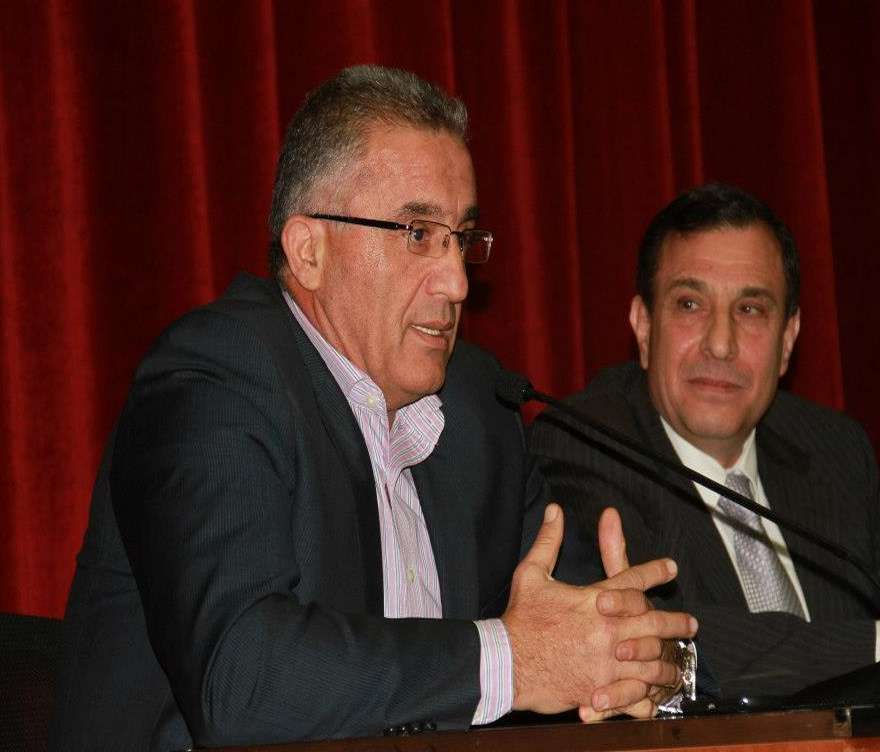
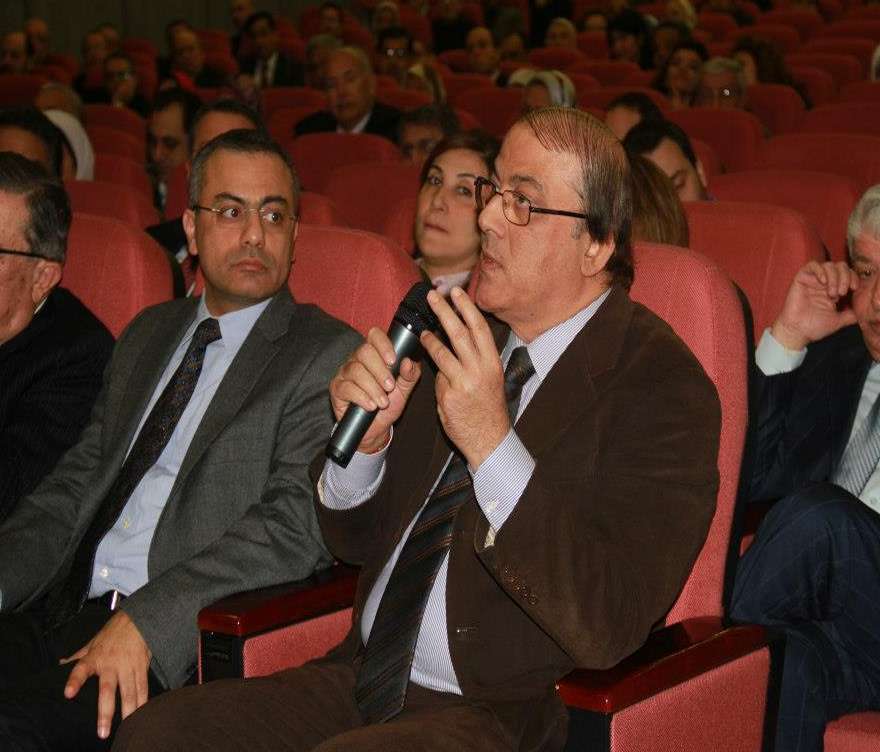
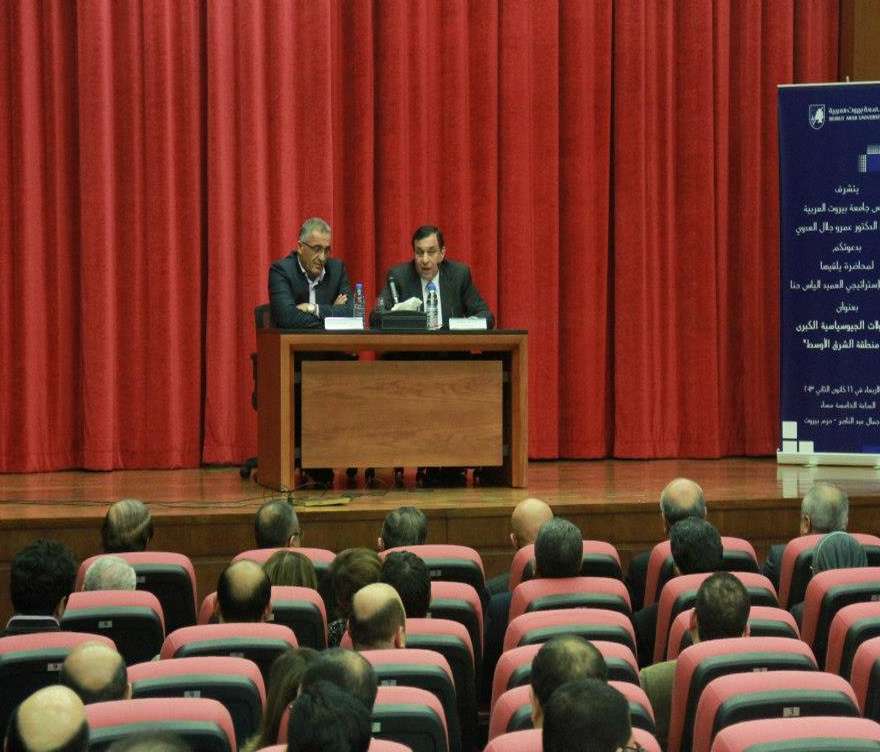
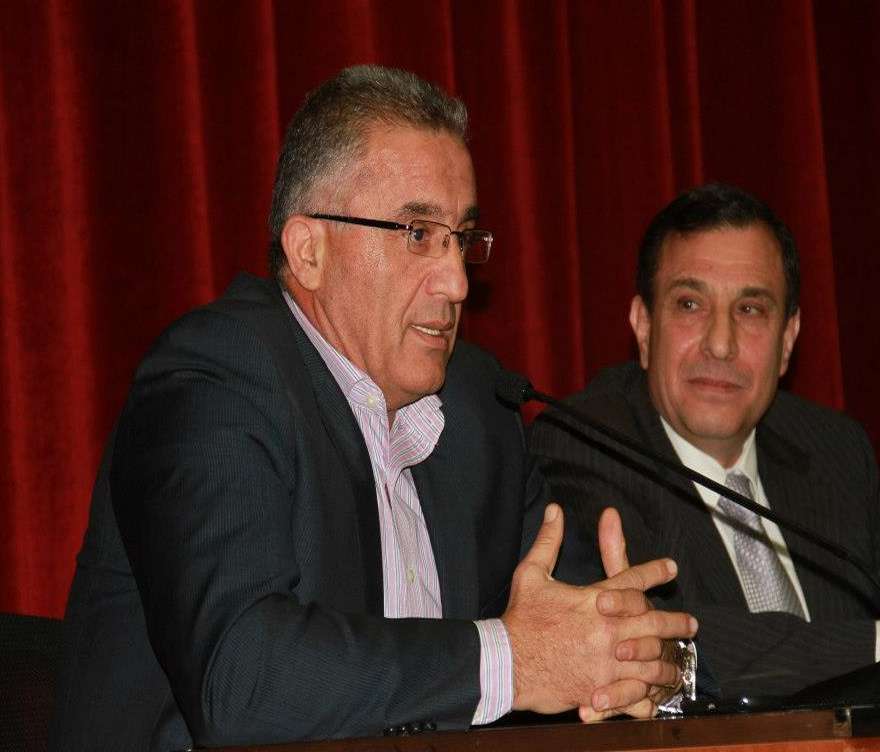
16 January 2013BAU hosted the strategic expert General Elias Hanna’s lecture “Geopolitical Transitions in the Middle East” which was held in Jamal Abdul Nasser Hall in Beirut Site and was attended by a number of politicians and diplomats together with interested academic staff and students.
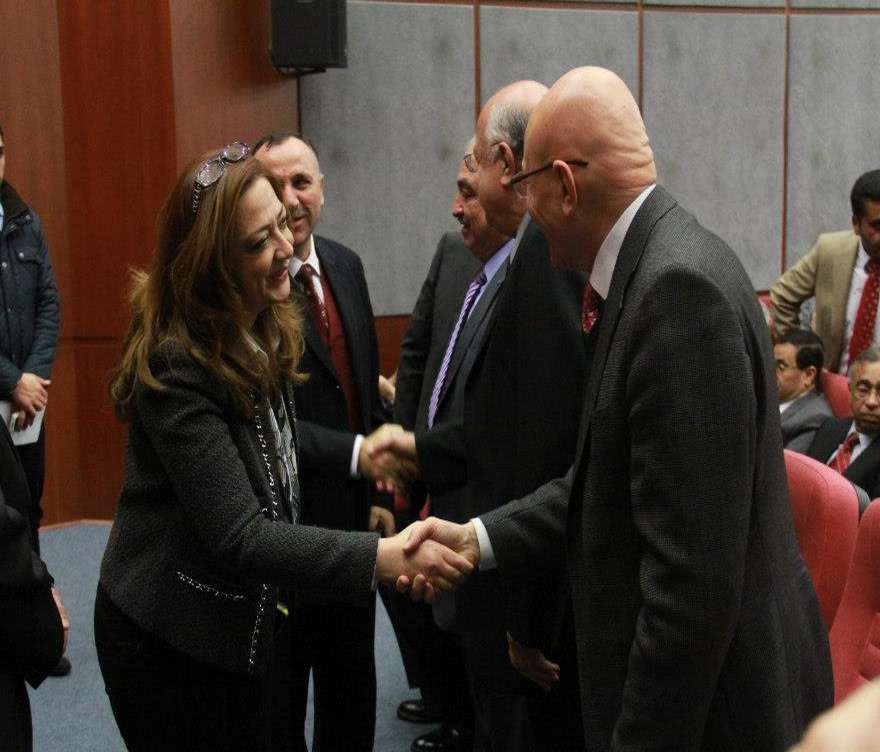
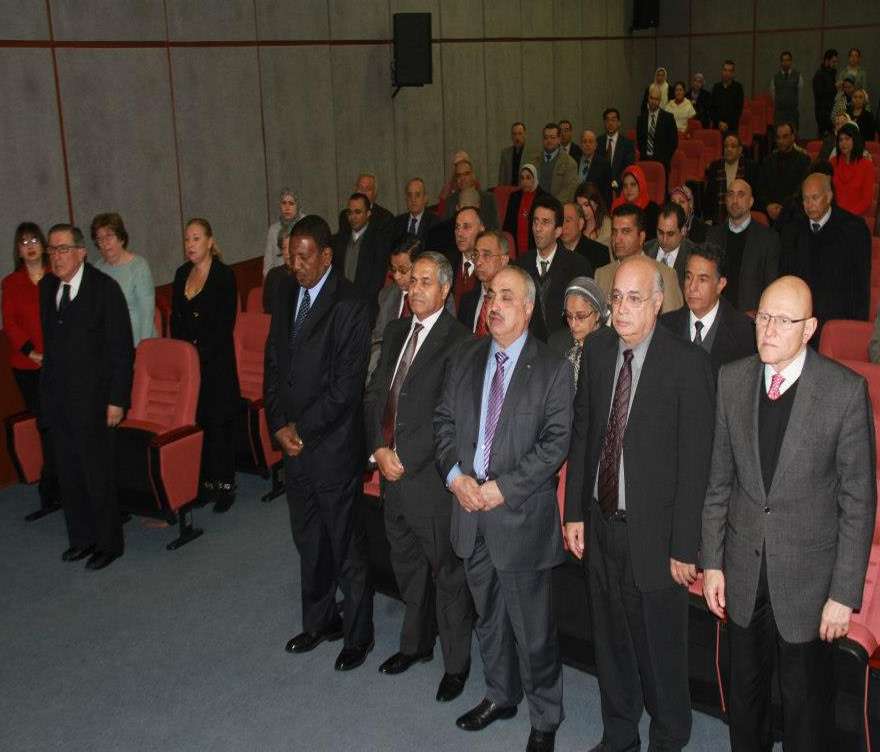
The lecture was also attended by Mr. Bachir Itani, representing Ex-Prime Minister Saad Al Hariri, , the Egyptian Ambassador Mr. Ashraf Hamdi, Sudan’s Ambassador Mr. Ahmad Hasan, MP Mohammad Hajjar, MP Tammam Salam, ex-minister Adel Kortas , Dar Al Aytam Al Islamiah General Manager Amer Bawab, Professor Amr Galal El Adawi, President of Beirut Arab University, Professor Hanafy Holeil, Vice President for Academic Affairs, Professor Issam Osman, Vice President for Medical Affairs, Mrs. Zina Ariss, Director of the Public Relations Department, faculty deans and directors.
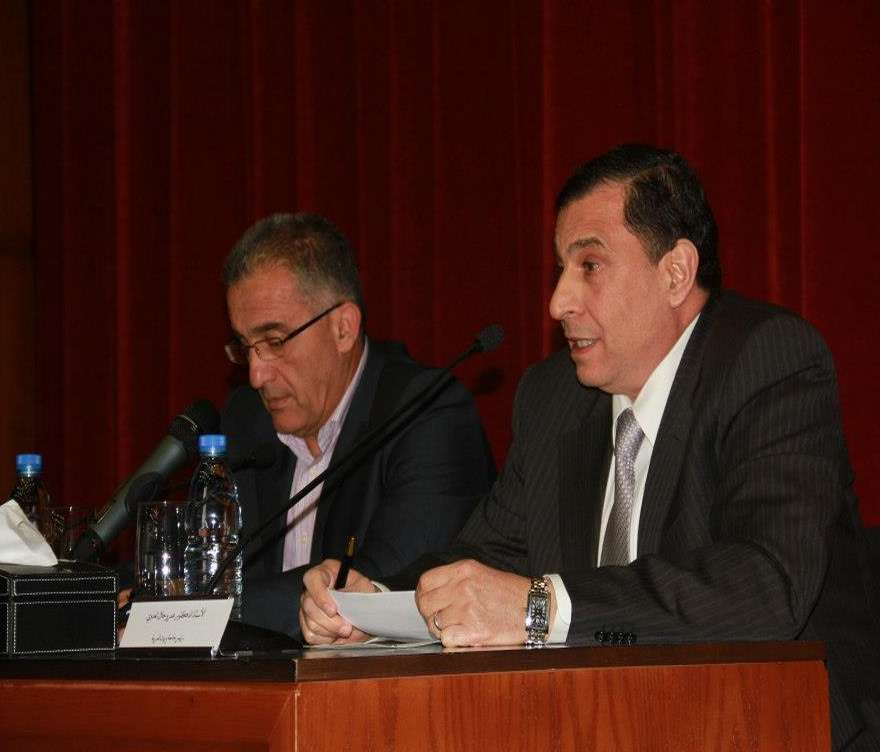
After the Lebanese and BAU anthems, Professor El Adawi welcomed General Hanna at BAU highlighting the importance of the lecture which shed light on the situation in the Middle East in general and Lebanon in particular from an analytical and geopolitical perspective and tackled the role of the variables which are taking place in the neighbouring countries as well as their impact on Lebanon.
In turn, General Hanna delved into the reasons behind the crisis in the Middle East referring to the aftermath of 9/11 when “the US concern in the region grew to become one of its top priorities followed by East Asia and Europe respectively. This urged the US to manage the crisis from afar depending on the balance of power in the region. The US direct interference in Iraq in 2003 upset the balance of the regional powers there though it was already shaped by the US, thus forcing the US to stay in the region to form a new balance. Upon the US departure in 2011, the balance of power transformed completely, the thing which was most favoured by Iran whose 1983 plan shared the same objectives yet with Syria taking no part in Iran’s plan preferring to be neutral in the balance of powers.”
General Hanna pointed out the serious consequences of the Arab Spring in the Middle East especially in Syria “where the events will have their repercussions in Lebanon which is considered the most stable country in the region although it is a part of the Iraqi-Syrian-Lebanese ‘Quake Axis’.” He also referred to “Turkey’s, Iraq’s and Jordan’s establishment of buffer zones at the Syrian-Turkish, Syrian-Iraqi and Syrian-Jordanian borders” .