


Harmonization of the Law: The Hague Conference, Unidroit and UNCITRAL
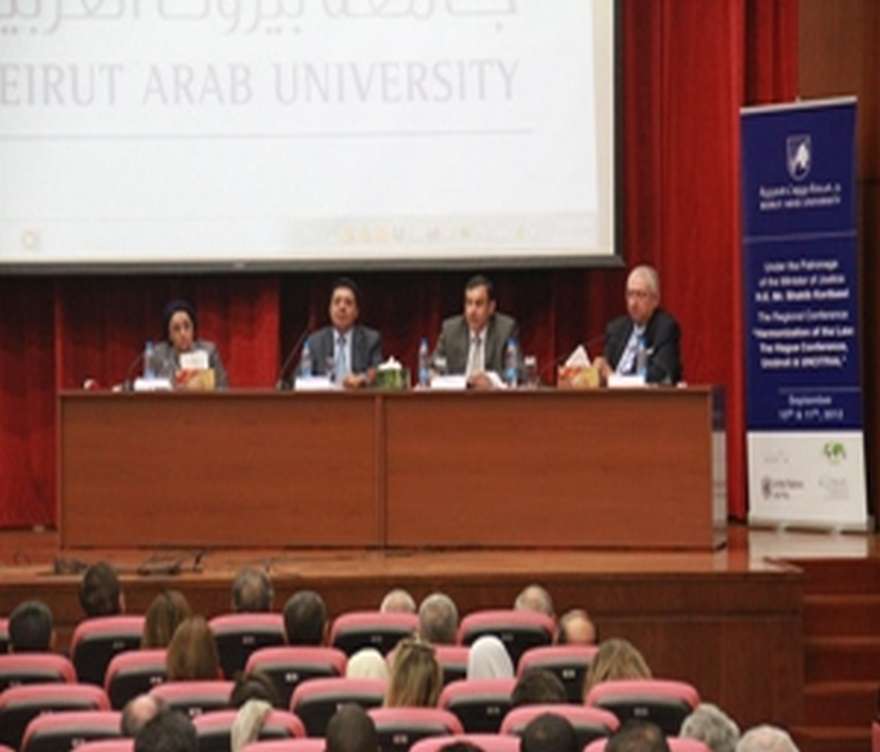
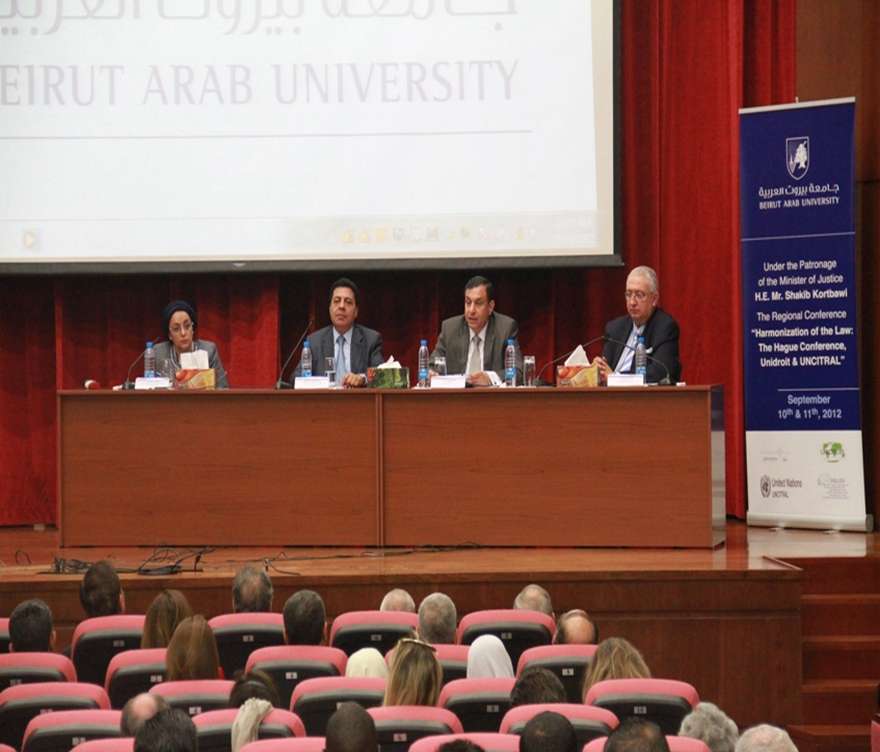
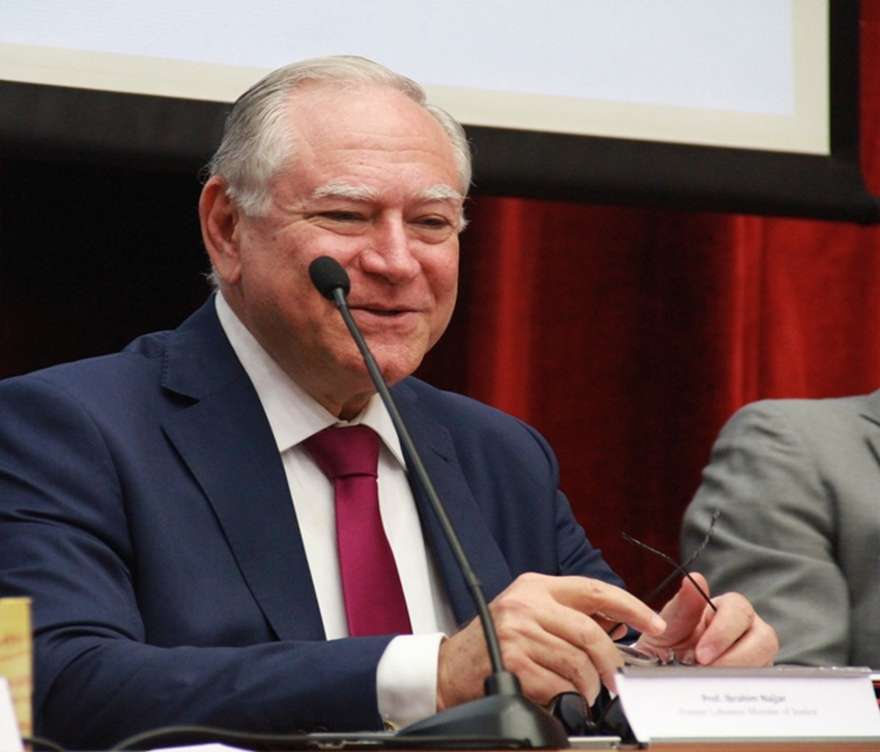
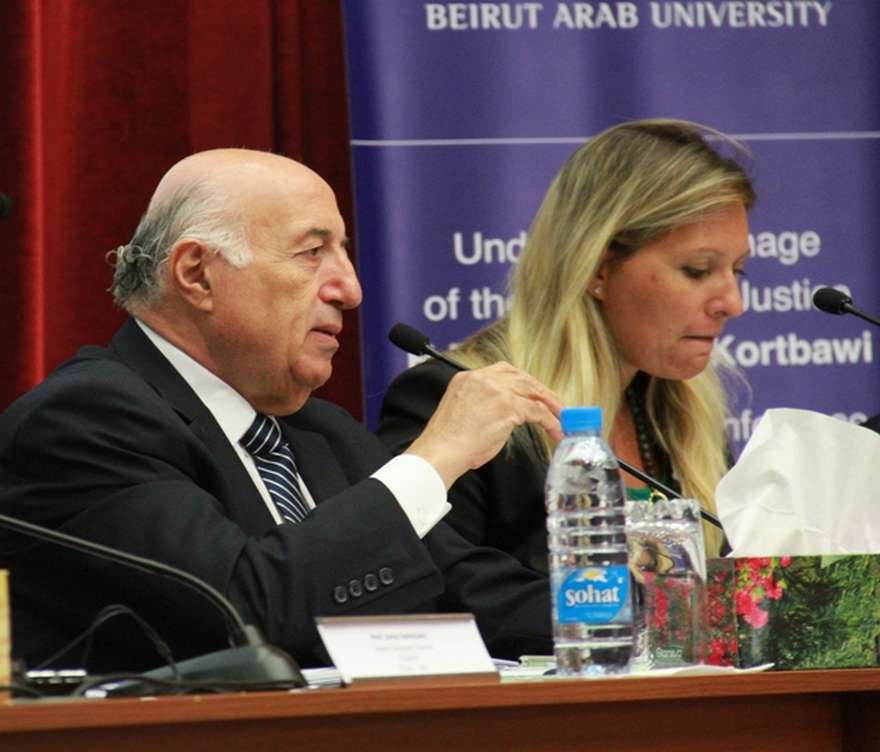
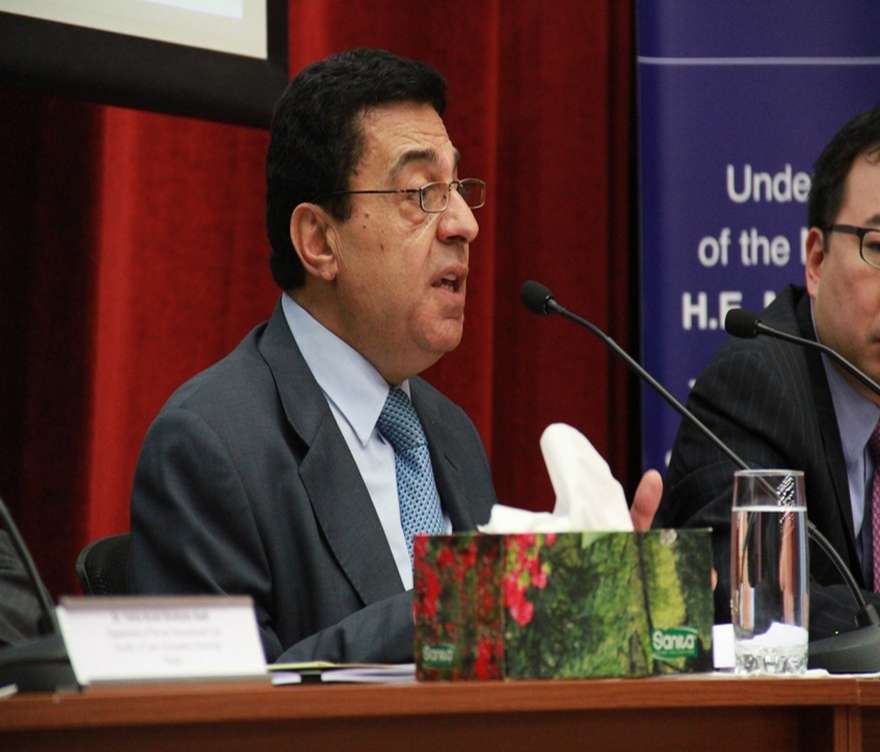
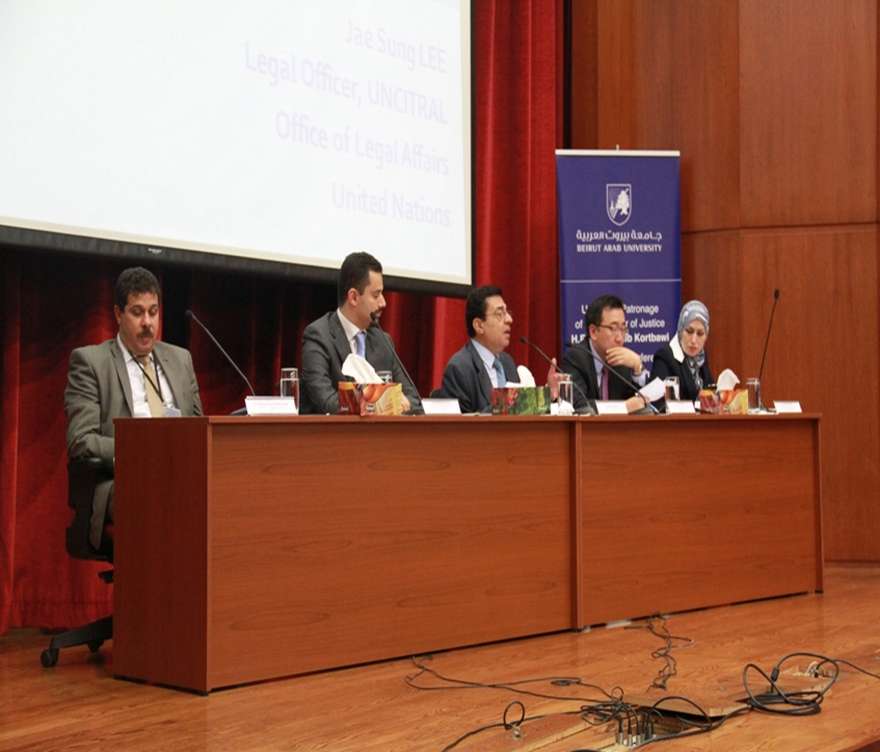
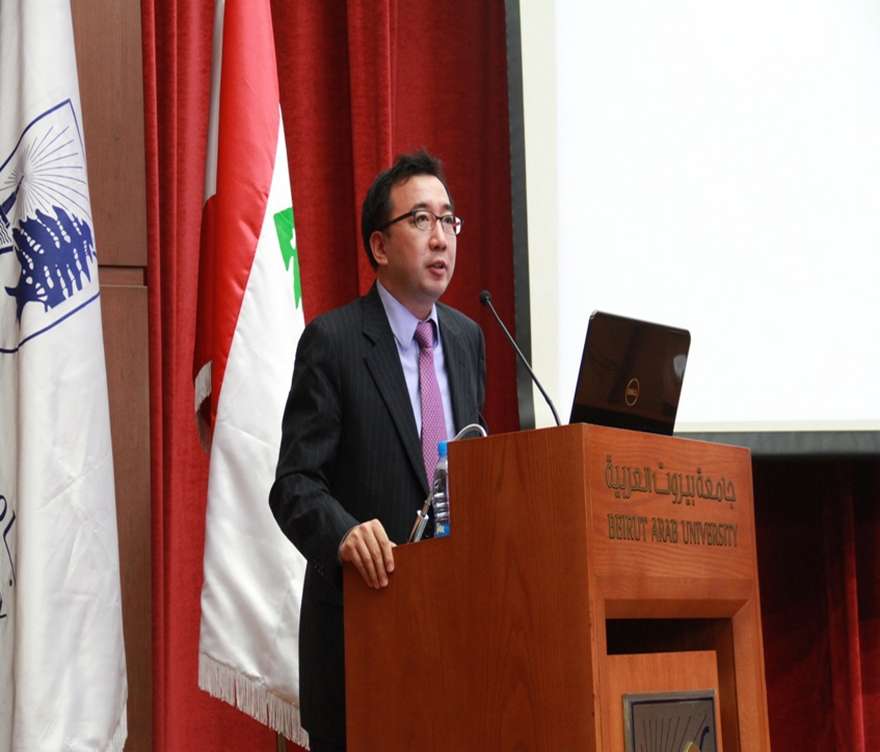
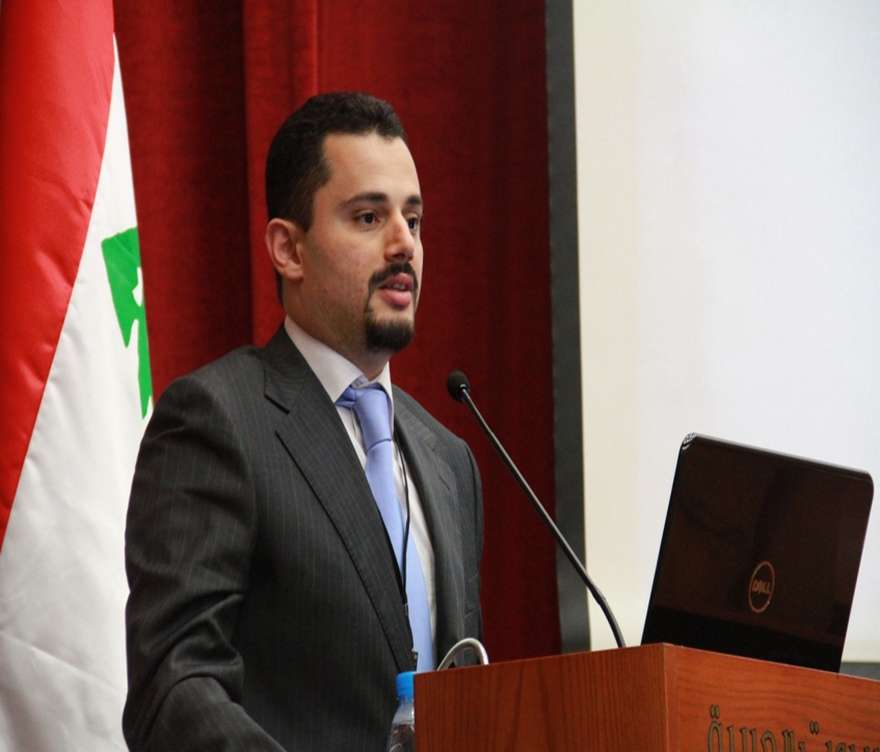
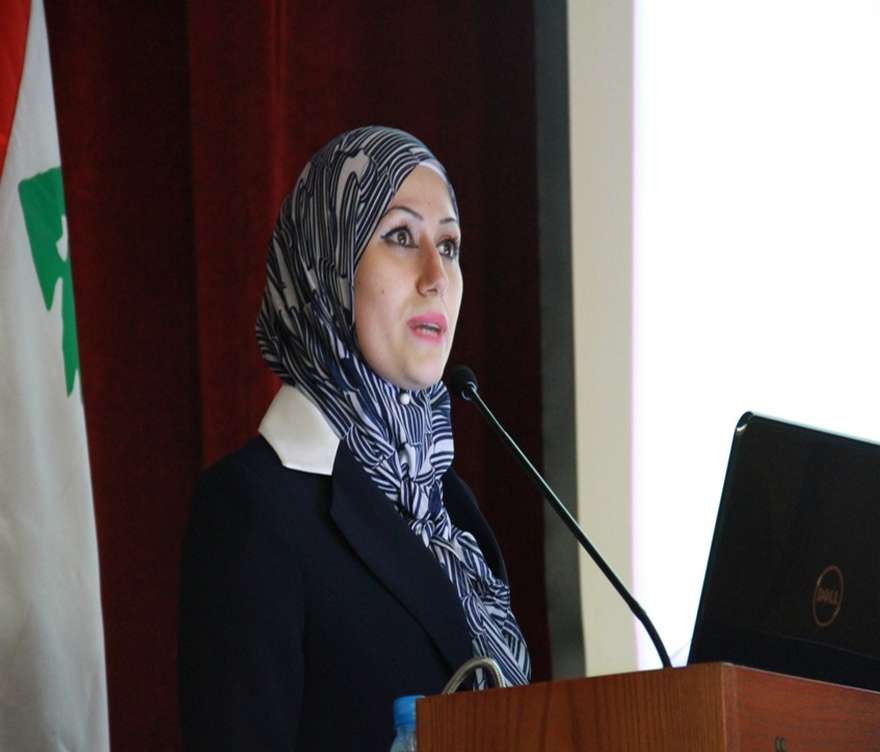
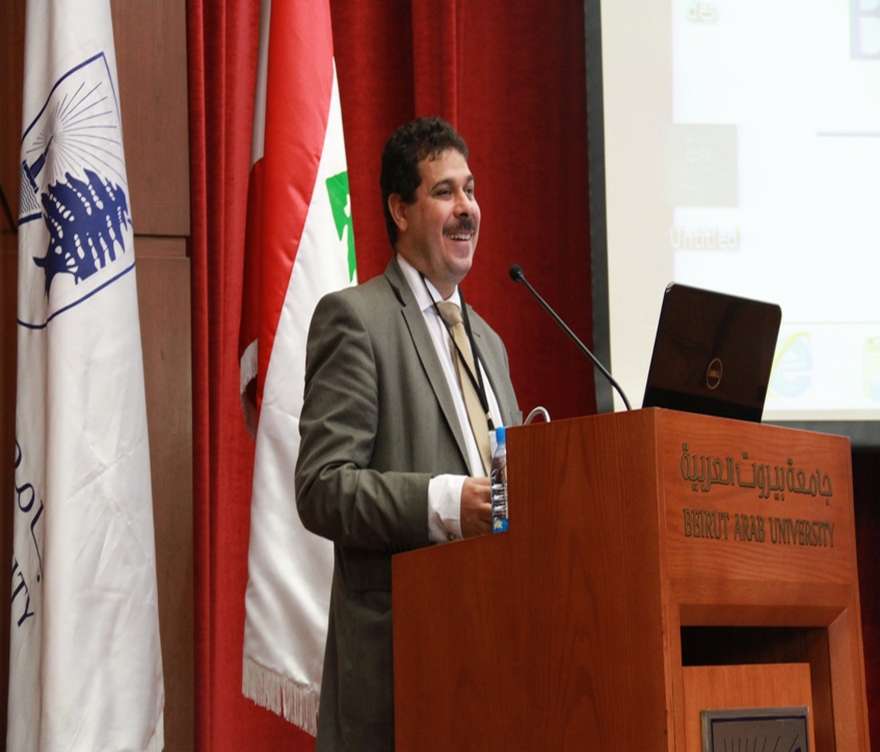
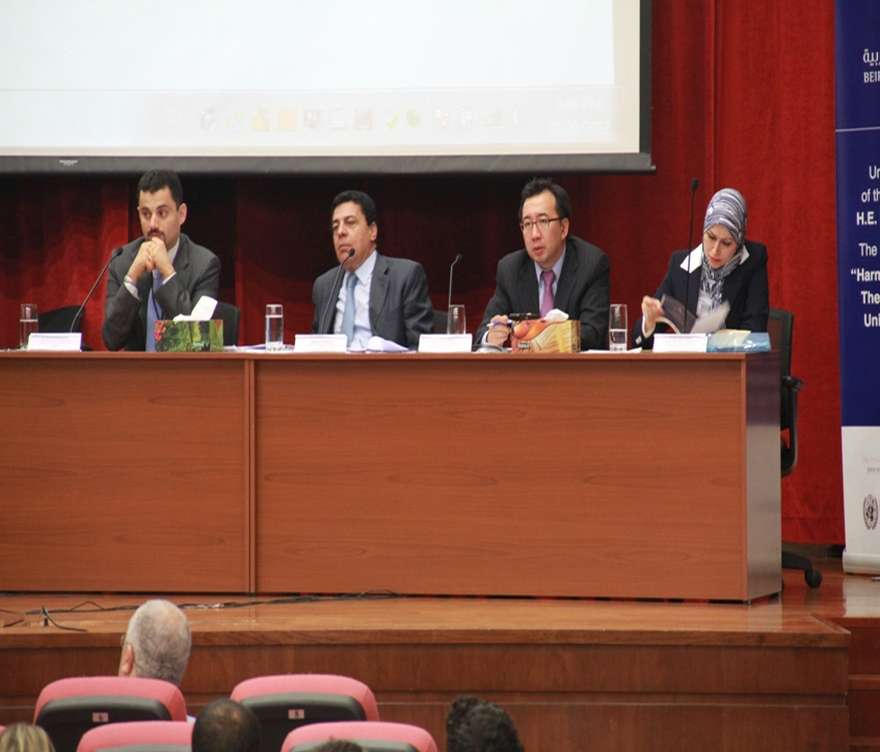
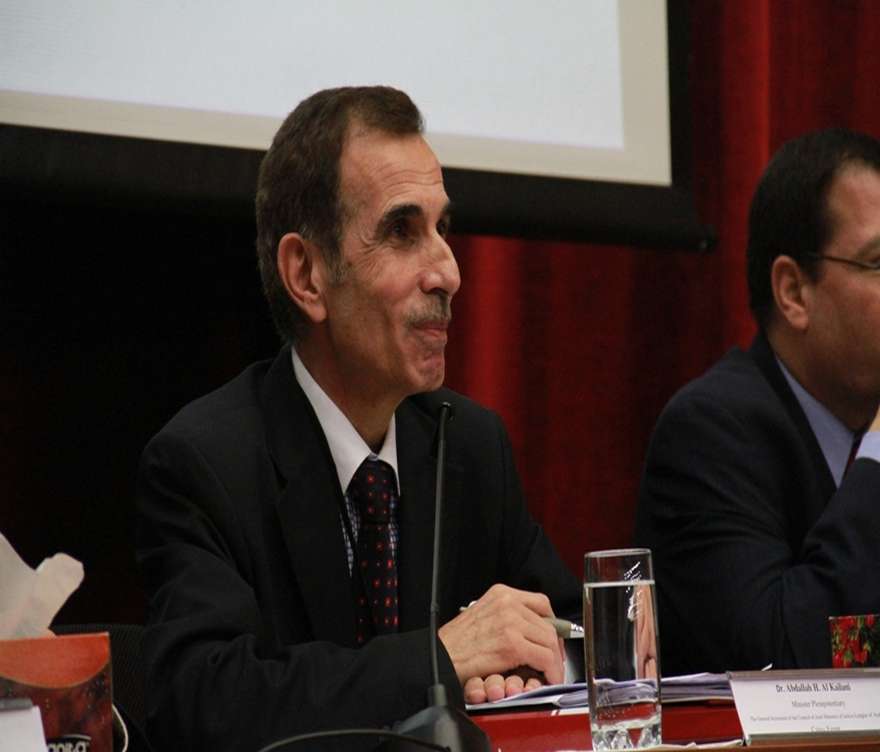
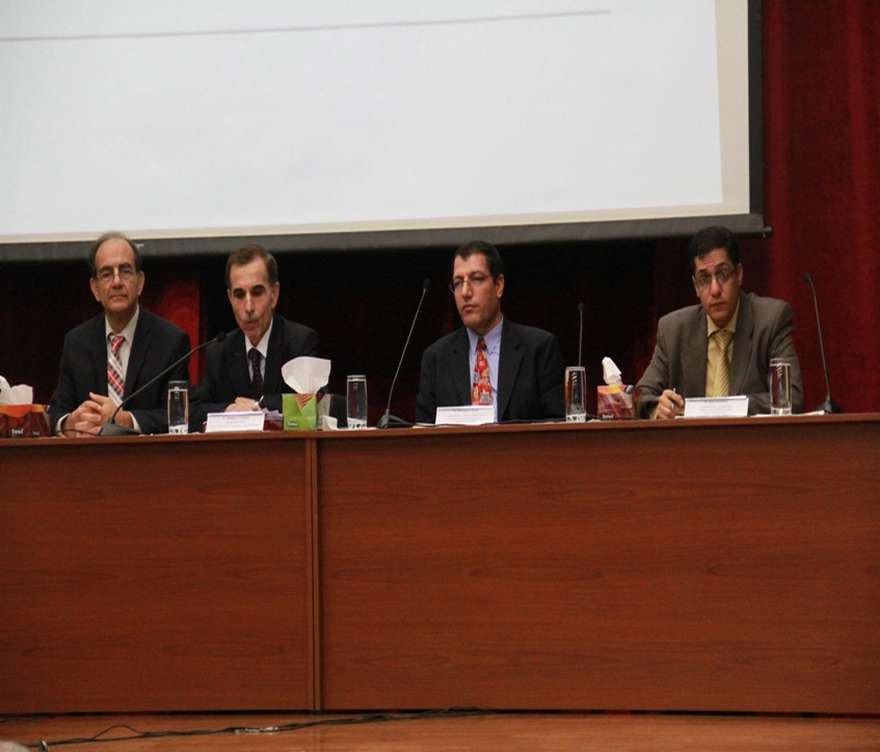
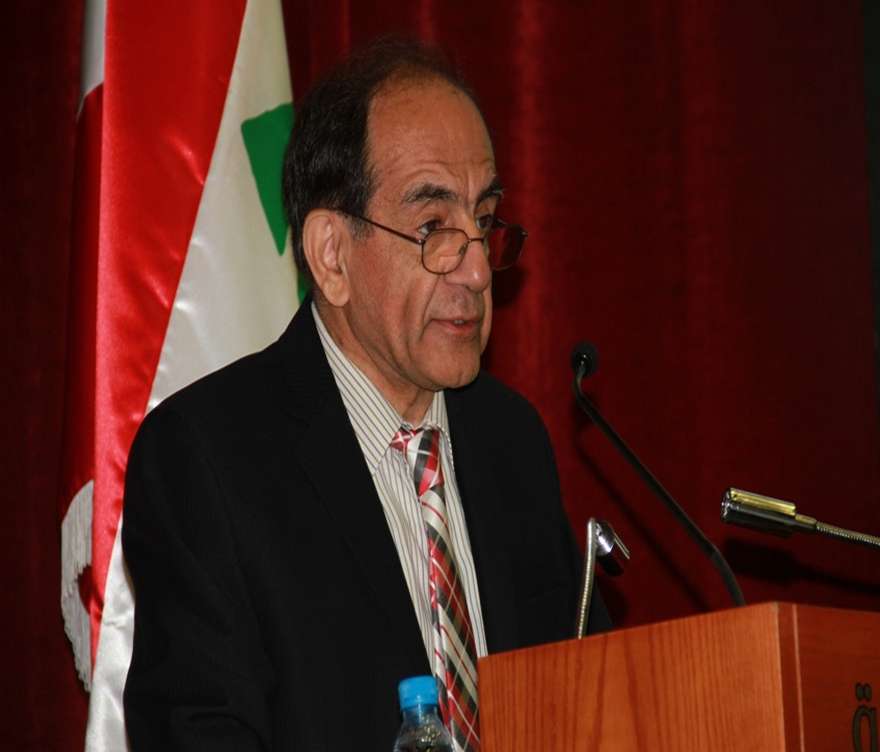
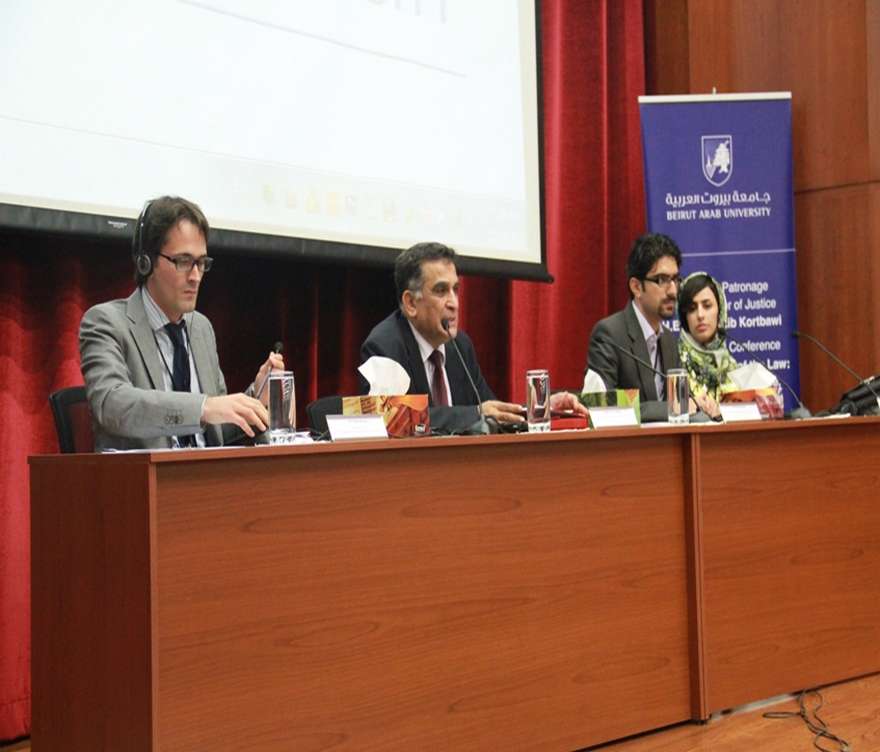
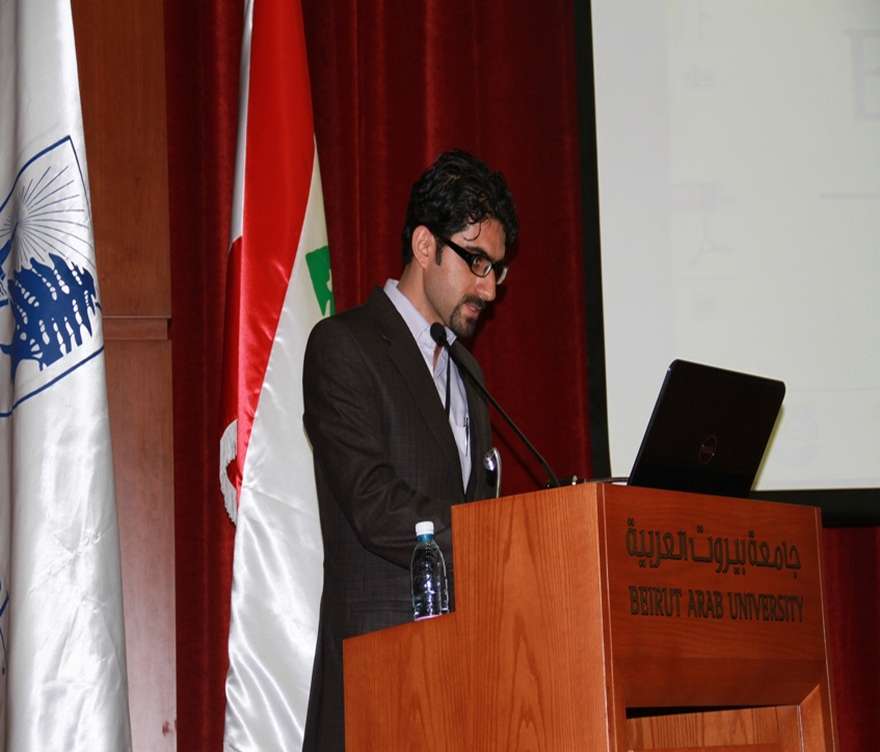
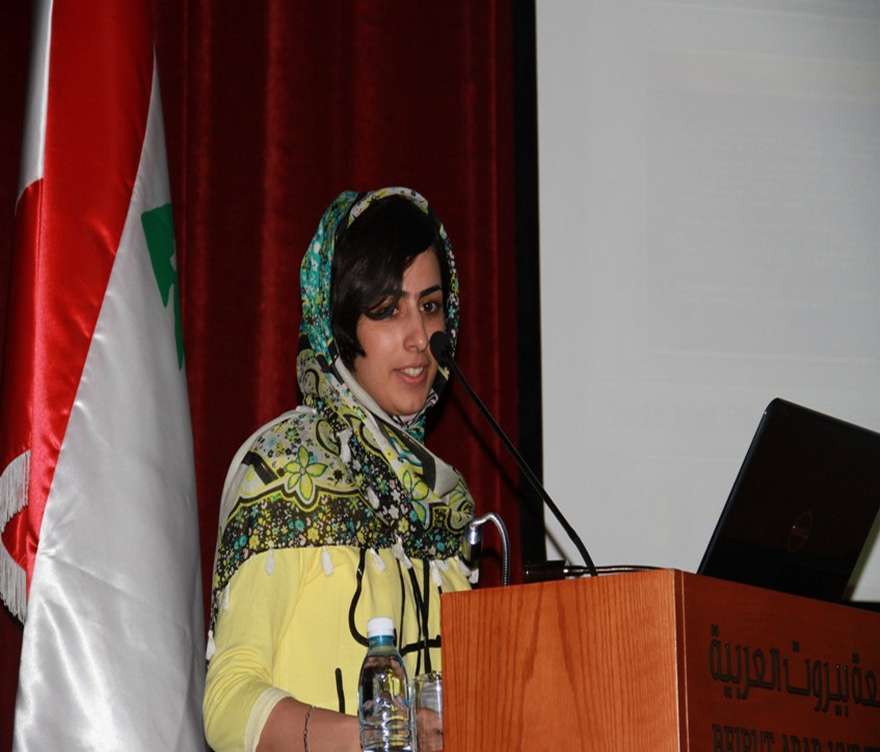
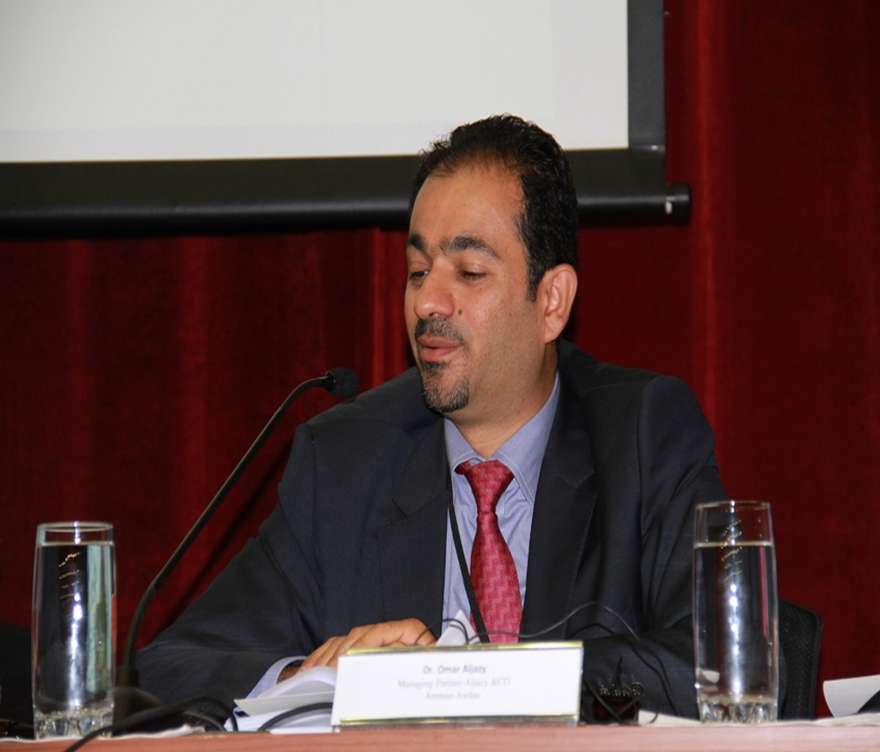
10 September 2012Beirut Arab University hosted the Regional Conference entitled “Harmonization of the Law: The Hague Conference, Unidroit and UNCITRAL” in its Campus in Beirut on the 10th of September 2012 under the patronage of Minister of Justice Mr. Shakeeb Kortbawi represented by Judge Prof. Sami Mansour, President of the Institute of Judicial Studies in Lebanon. The conference was attended also by Prof. Amr Galal El Adawi, President of Beirut Arab University, Mr. Issam Houri, Secretary General, Prof. Hanafy Holail, Vice President for Academic Affairs, Prof. Khaled Baghdady, Vice President for Tripoli Branch Affairs, , Prof. Mohammad Mattar, Executive Director of the Protection Project at Johns Hopkins University, faculty deans and faculty members as well as interested audience, in addition to participants from The United States of America, Europe and Arab Countries.
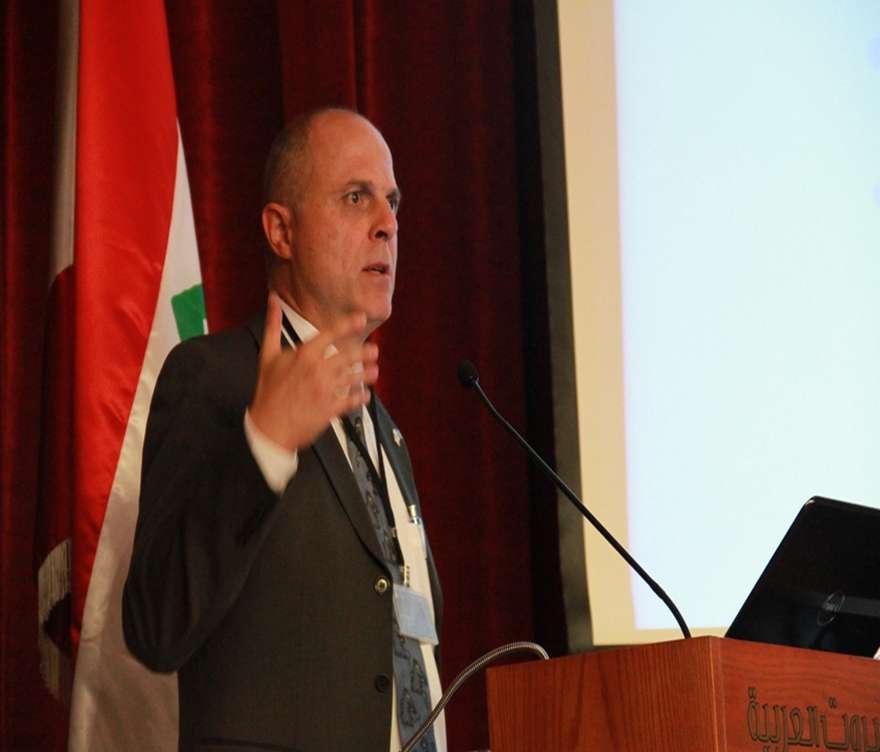
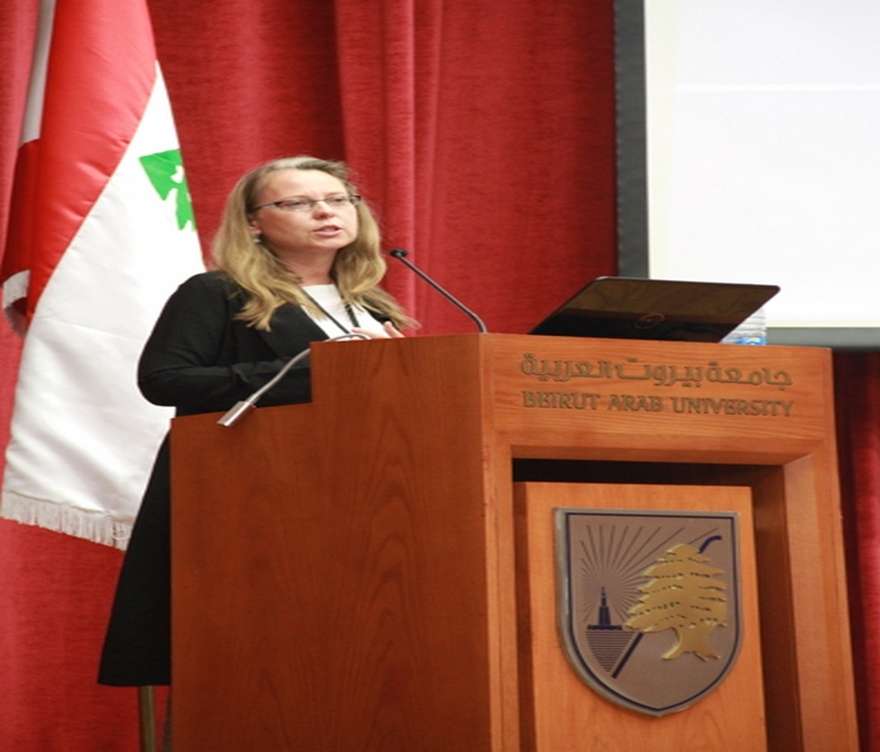
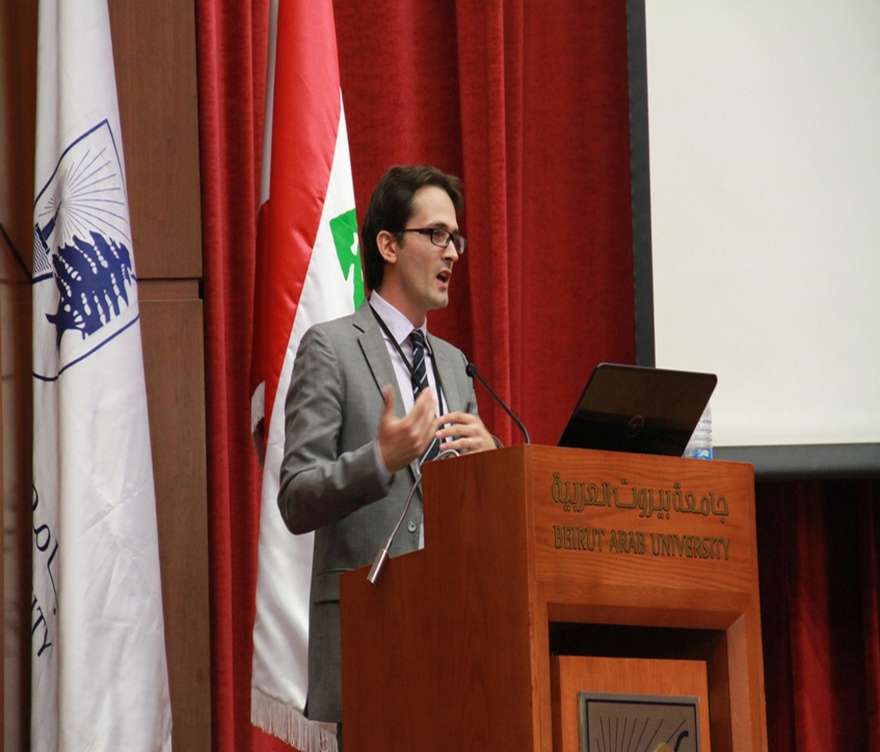
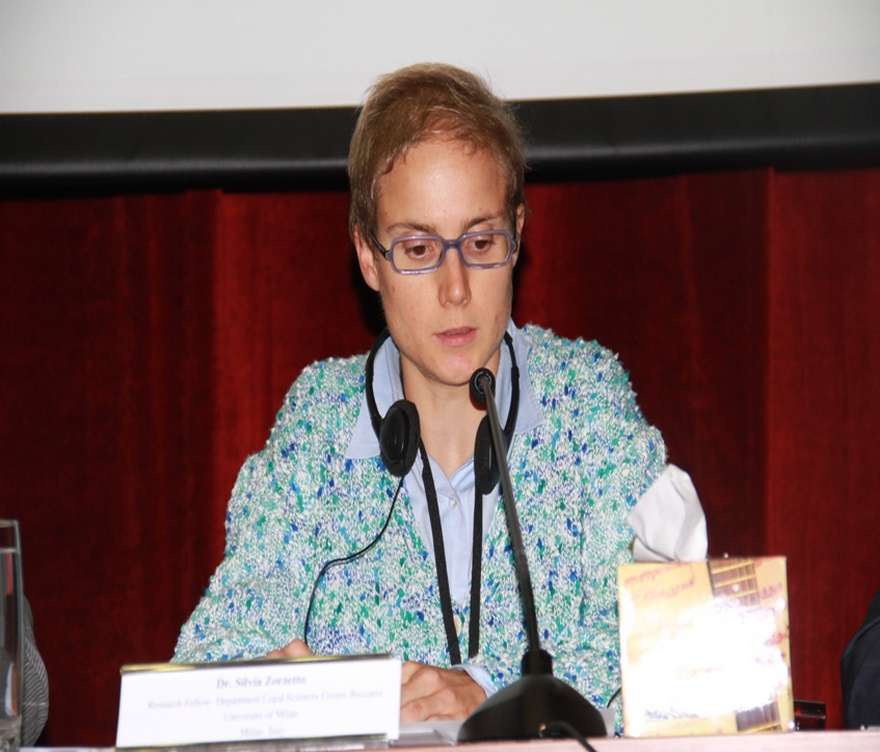
Twenty-two Arab and international lecturers in the field of international law participated in the conference which aimed to shed light on the efforts exerted by international legal organizations and the mechanisms they use to unify the law. The conference lasted for two consecutive days during which a number of research papers specialized in unifying the Arab legal systems were submitted.
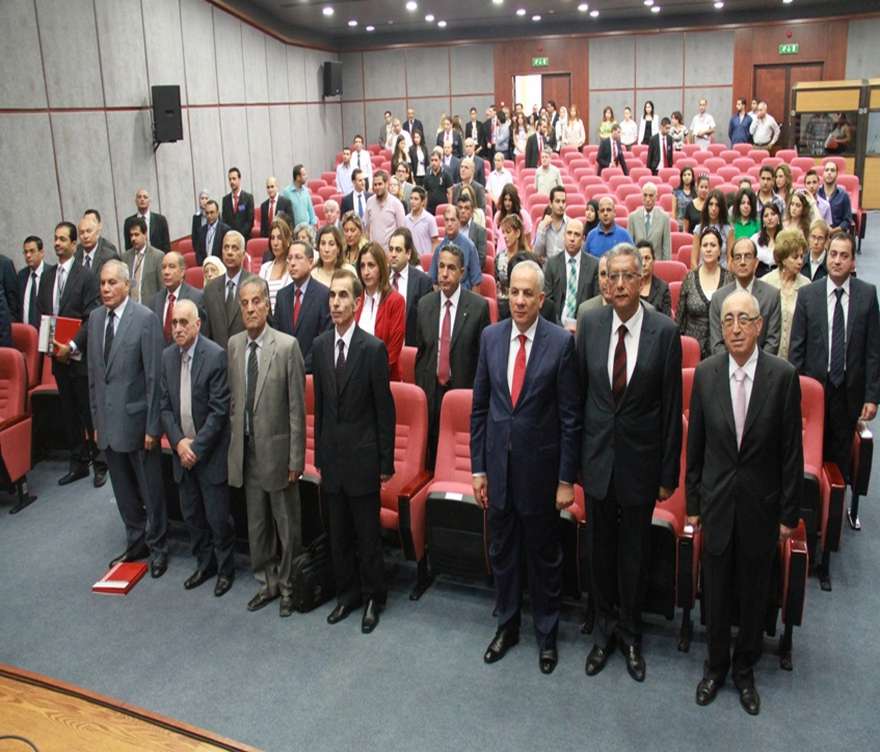
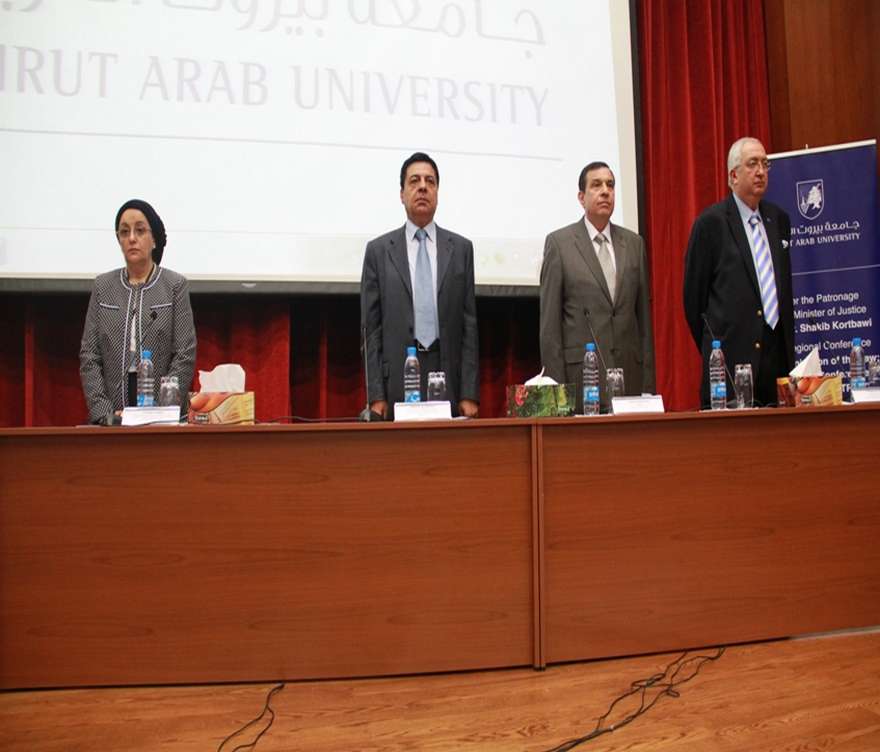
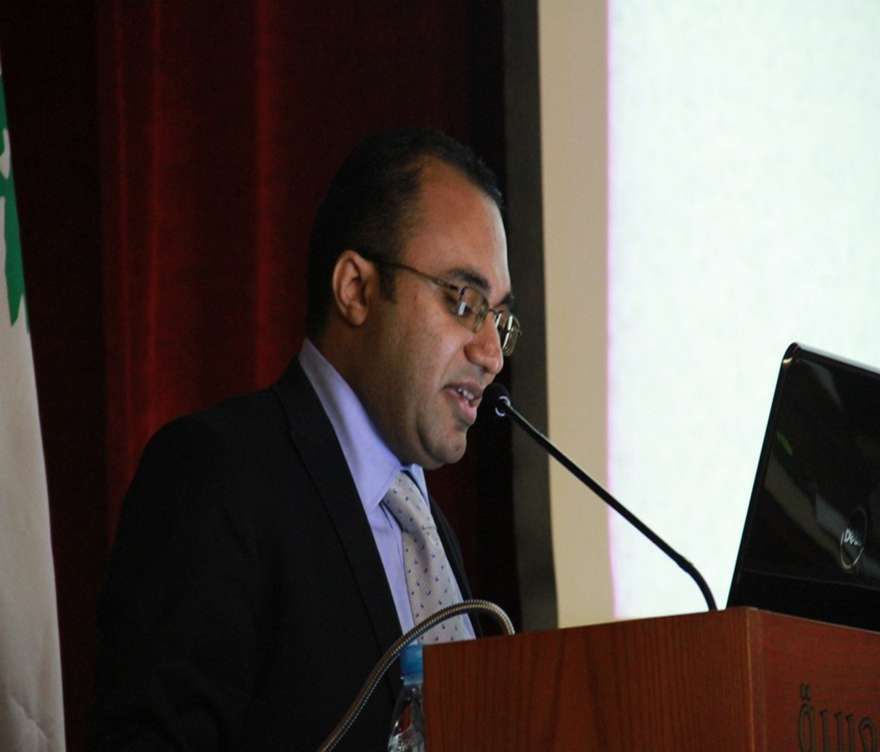
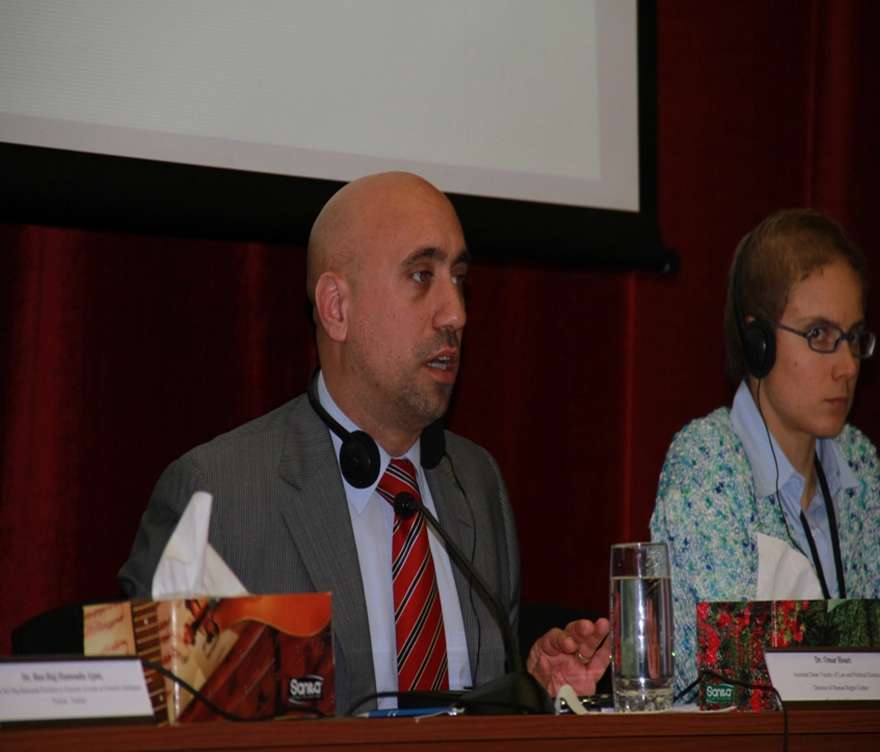
After the Lebanese national and BAU anthems, Dr. Omar Houri, Faculty of Law and Political Science Assistant Dean and Director of Human Rights Center, welcomed the audience highlighting the importance of the research papers submitted at the conference in the harmonization of the law.
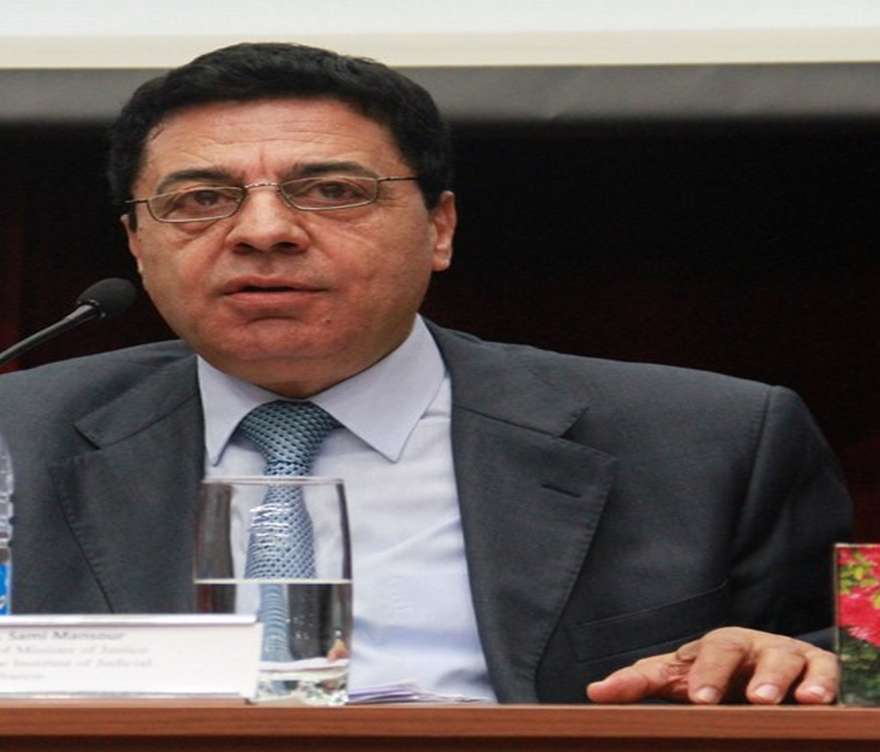
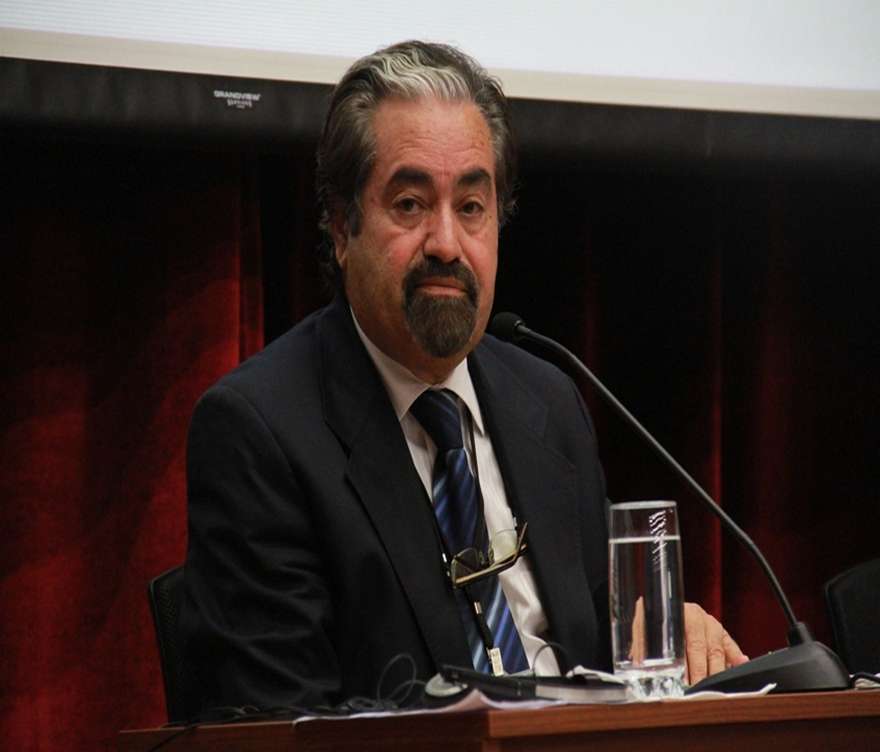
Judge Prof. Sami Mansour discussed BAU’s role in developing and implementing the Lebanese legal culture via its legal library. He considered that the unification of the law or its compatibility with the laws of the international trade contracts is one form of solidarity.
Prof. Mansour also stated that the unification of the law will procure the legal security for those who work in the field of trade and will achieve the legal stability responsible for the development of the national economy and the prosperity of international trade.
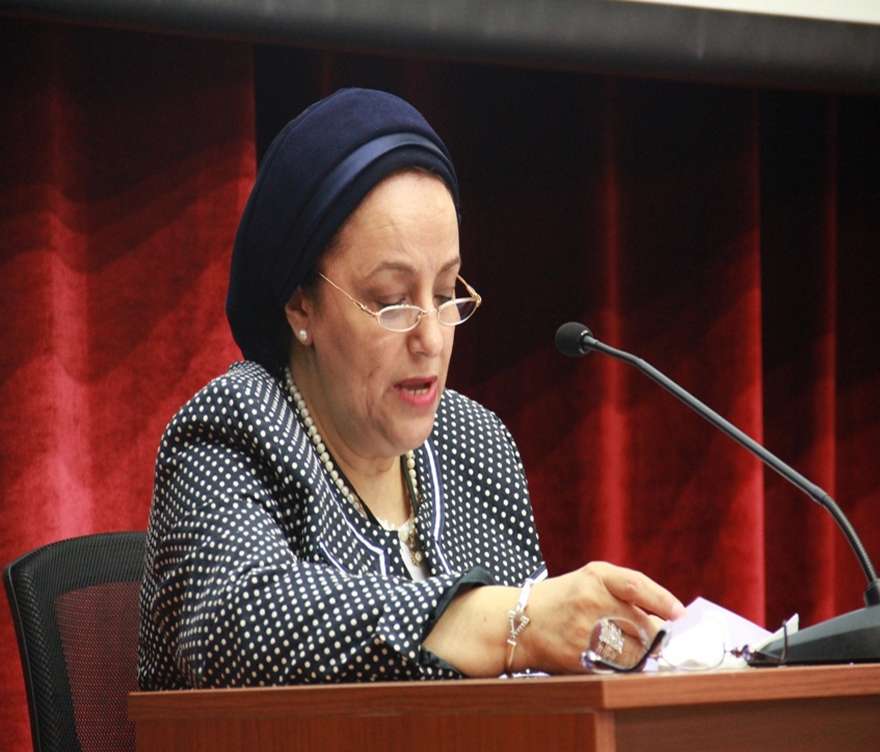
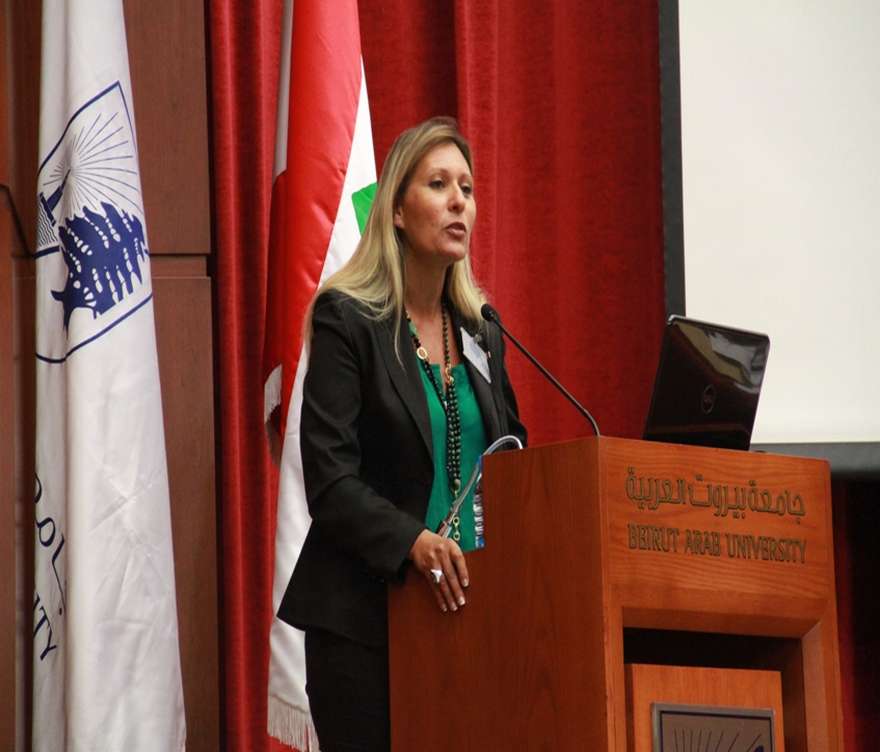
Dean of Faculty of Law and Political Science and President’s Advisor for Legal Affairs Prof. Hafiza El Haddad identified the aims of the conference as investigating about the extent to which the efforts of unifying the law can influence our Arab World. She listed some international legal treaties which can be used as a guide to enact national legislations.
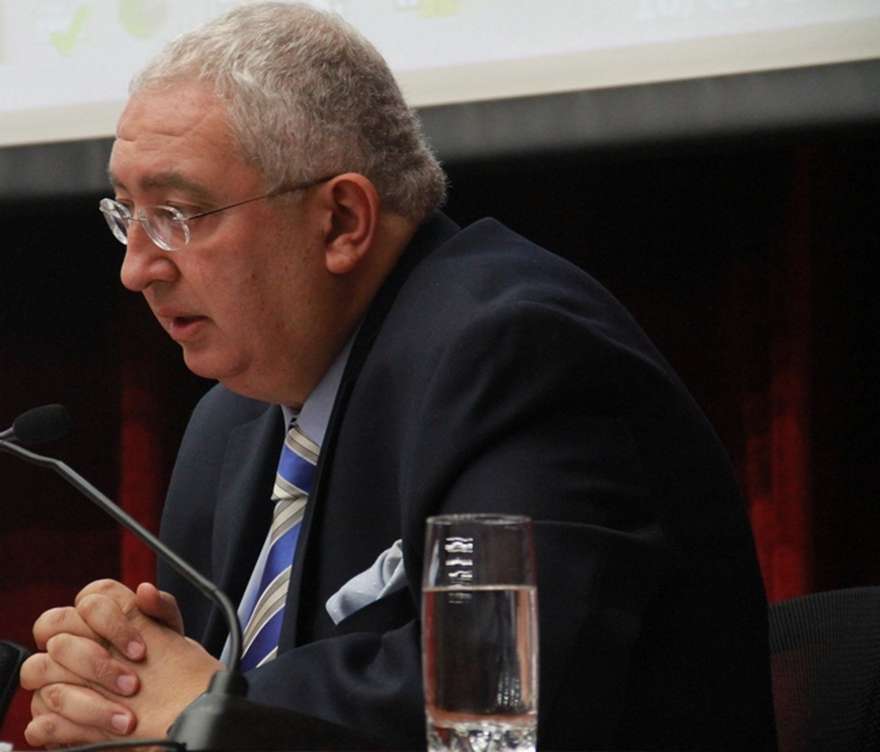
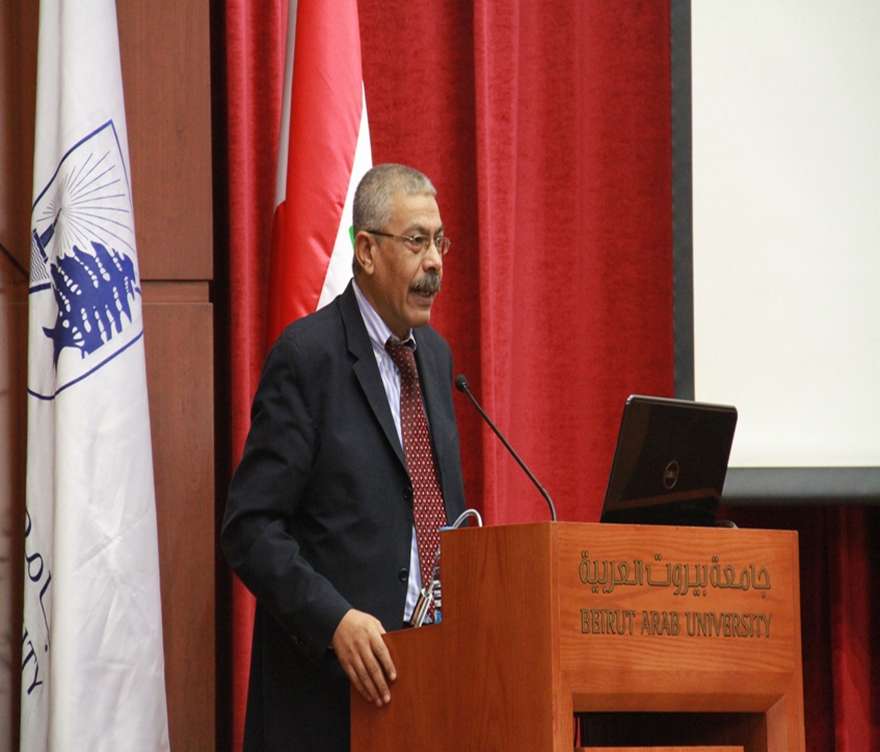
Prof. Mattar requested the Secretary General of the League of Arab States to adopt the concept of legal approximation as the League’s main objective in the future. He also drew attention to the necessity of Arab countries to join the International Institute for the Unification of Private Law and to ratify the agreements issued by the Lahay Conference on the Unification of the International Private Law.
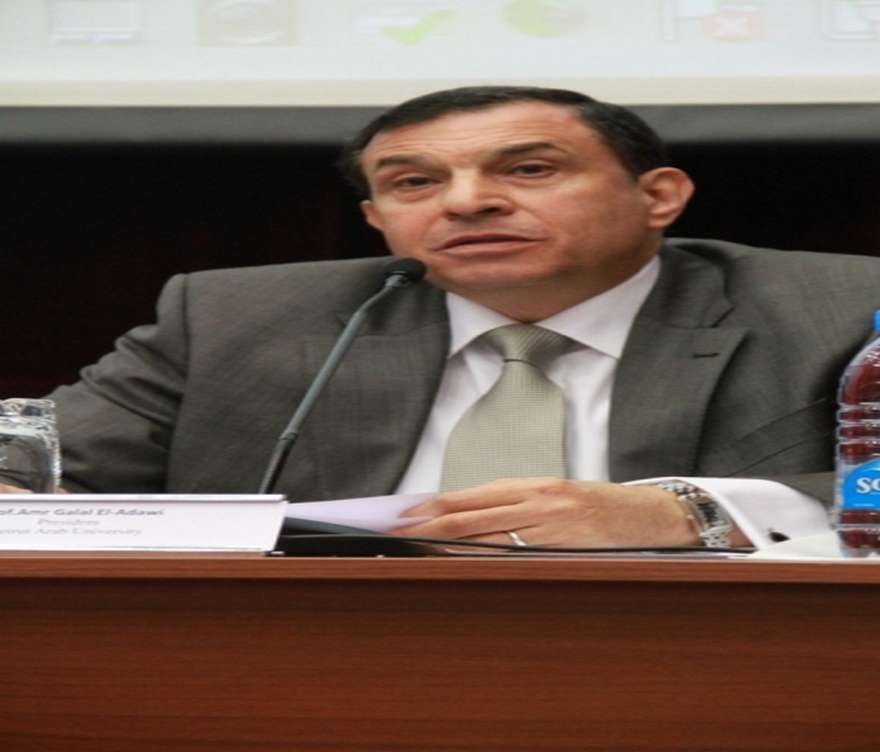
President of Beirut Arab University Prof. Amr Galal El Adawi hoped that the conference would achieve the recommendations which help unify and harmonize the law being of great importance for the society. He also declared that the opening of the legal clinic at BAU, in collaboration with Johns Hopkins University, will serve the community to a great extent.
The conference was culminated by following recommendations:
1. Encourage Arab countries to join international treaties which meet the interests of the Arab countries and respect the legal security as well as the licit expectations of the parties concerned with international trade.
2. Cooperate with the League of Arab States in updating the Arab laws in the light of examining the typical international laws.
3. Reduce restraints on treaties in the name of Islamic Sharia in cases where these restraints are unjustified.
4. Examine the general principles of the international contracts which were formulated by Unidroit and the extent to which these principles are compatible with the Islamic Sharia in an attempt to take them into consideration, if necessary, when developing Arab laws.
5. Observe the unification of legal terminology used in the Arab world.
6. Invite the Arab countries to join the UN agreement concerning the United Nations Convention on Contracts for the International Carriage of Goods Wholly or Partly by Sea known as Rotterdam Rules 2008 which are considered a legal framework for unifying and legalizing solutions that attempts to achieve equilibrium between the shippers’ and freighters’ interests taking into consideration the new developments in the maritime sector.