

“Health and Illness: A Psychological Perspective” Conference at BAU
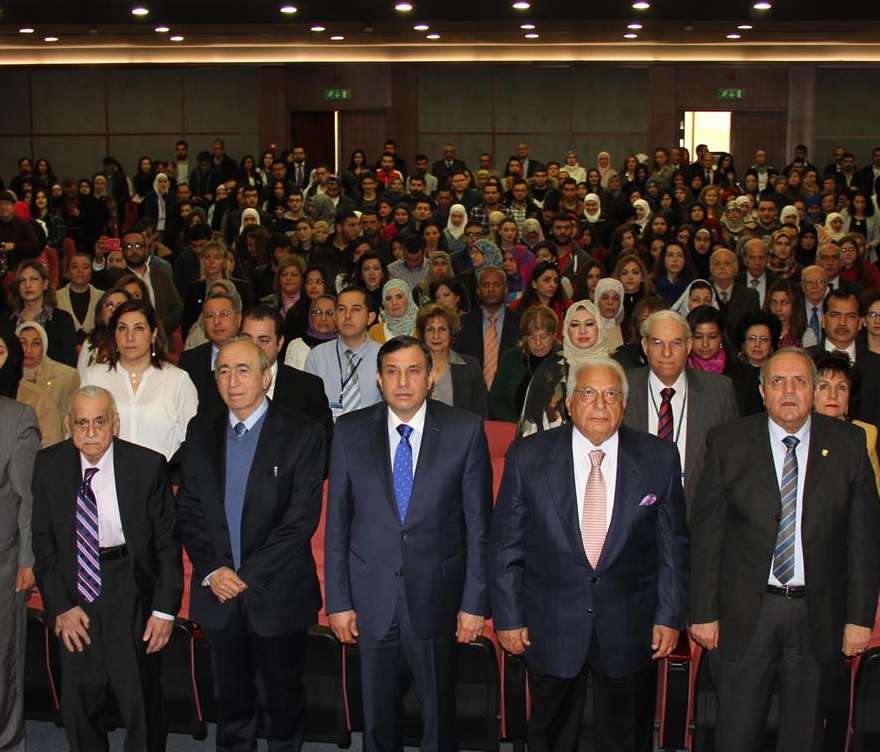
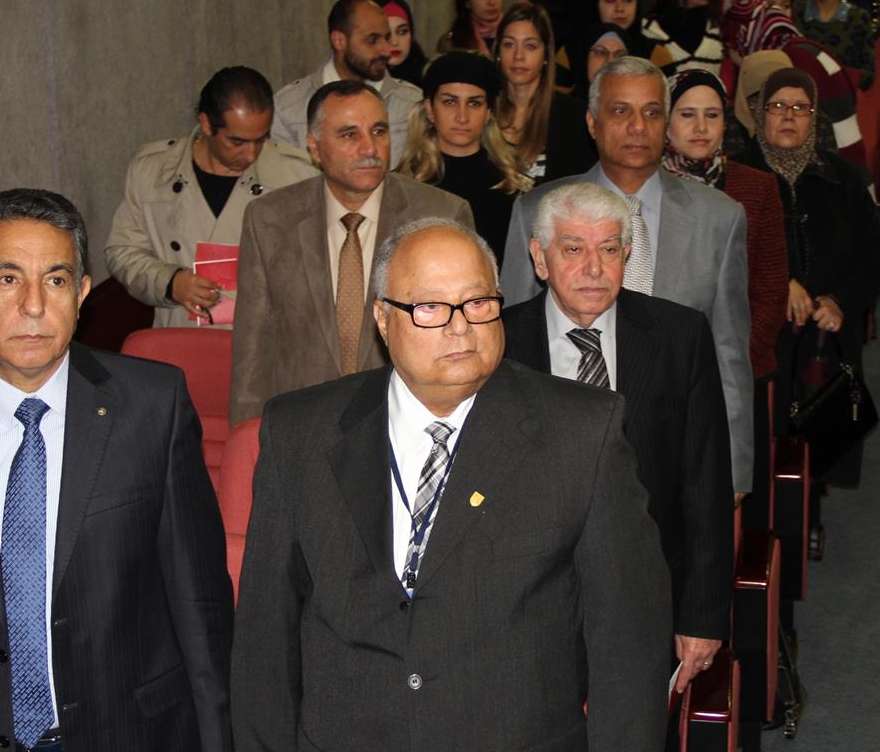
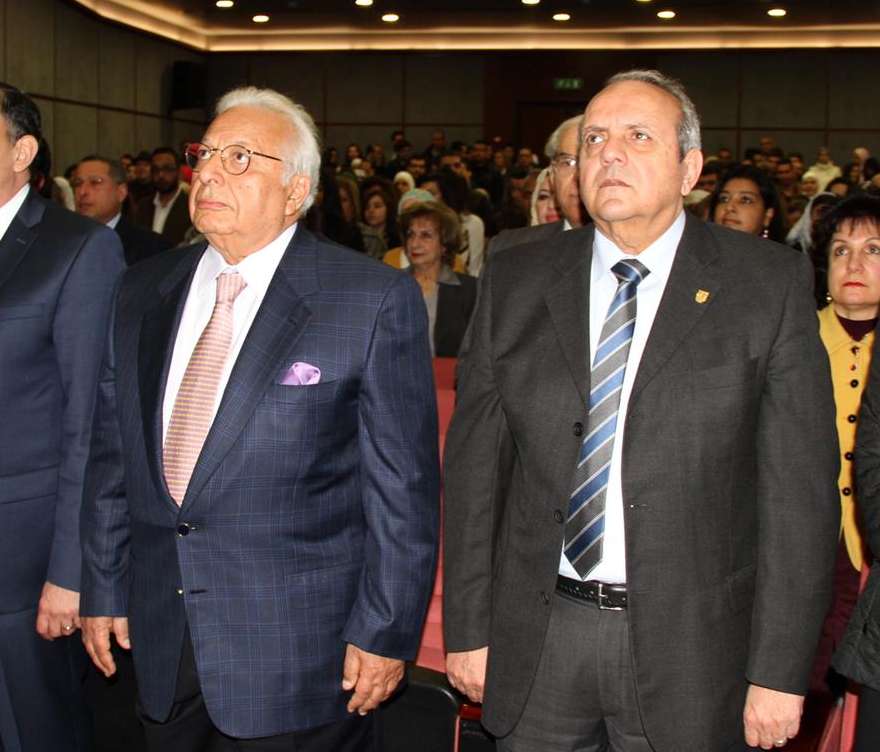
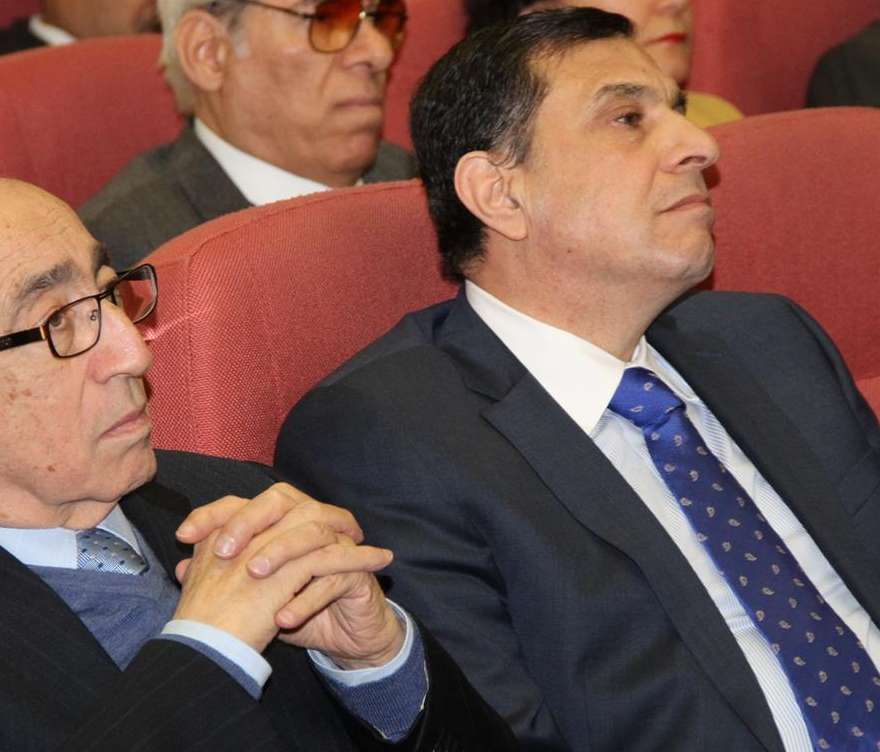
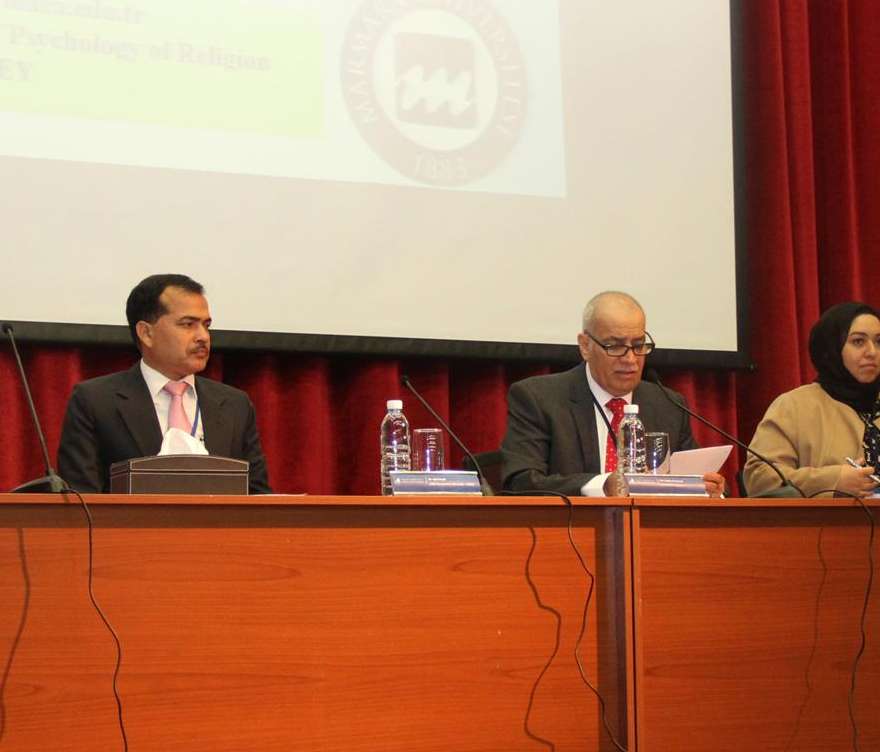
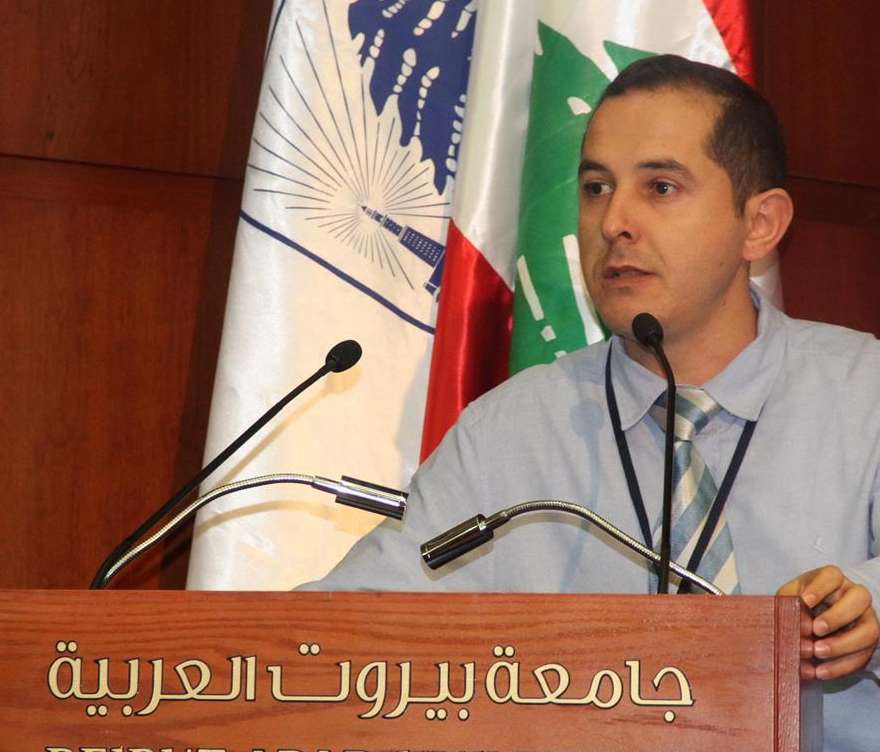
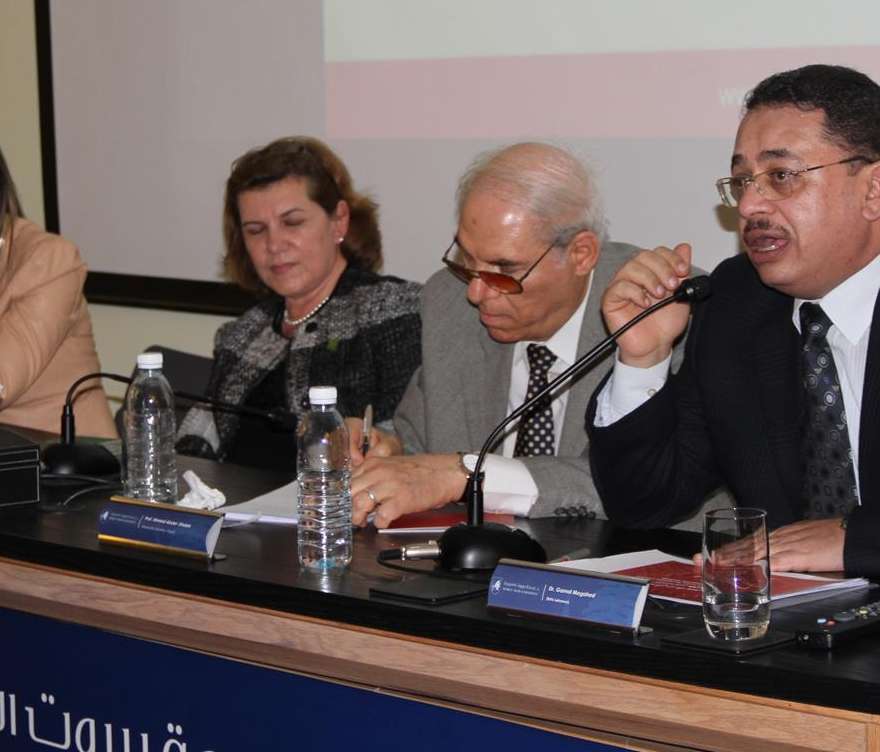
03 March 2015The Faculty of Arts at Beirut Arab University organized an International Conference entitled “Health and Illness: A Psychological Perspective”. The conference WHICH WAS HELD ON THE 3RD OF March 2015, was attended by Prof. Dr. Amr Galal El Adawi, President of BAU, Mr. Toufic Houri, President of the Waqf El Bir wal Ihsan Society, Mr. Issam Houri, Secretary General of Beirut Arab University, a large crowd of students, guests and interested people. The keynote speaker was Prof. Dr. Ahmed Okasha, professor of psychiatry at Ein Shams University, and the conference hosted a number of speakers from Lebanon, as well as Arab and foreign countries.
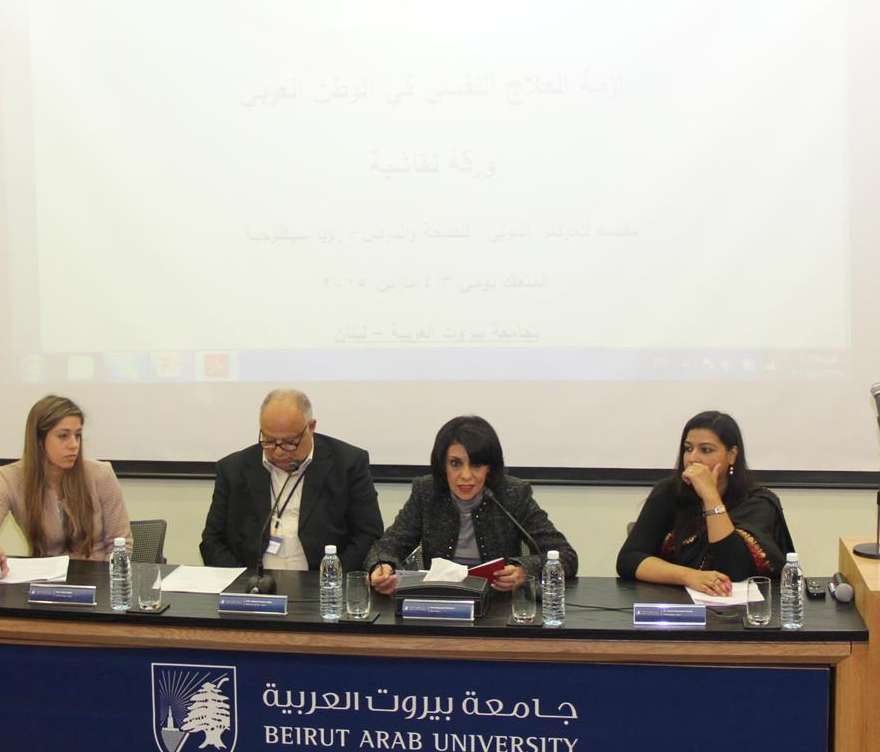
The two-day conference aimed at exploring aspects of health and illness, and offering recommendations that would enhance health in our societies. The discussions of experts, specialists and academics highlighted personality traits and their relationship with health and illness, as well as the impact of age on emotions and physical disorders, the relationship between health and illness, the positive aspects of life, mental health, as well as physical health. The problems of psycho-therapy in the Arab world and the impact of disorders on the quality of life were also discussed. There was also a session on the role of media in building health awareness in the society, media and body-image perceptions, and the prevention of illness.
After the Lebanese National Anthem and the BAU Anthem were played, Dr. Laila Helmi opened the conference, highlighting that the Faculty of Arts is keen on establishing strong foundations for interdisciplinary, whether internally among its various disciplines, or externally with different other faculties.
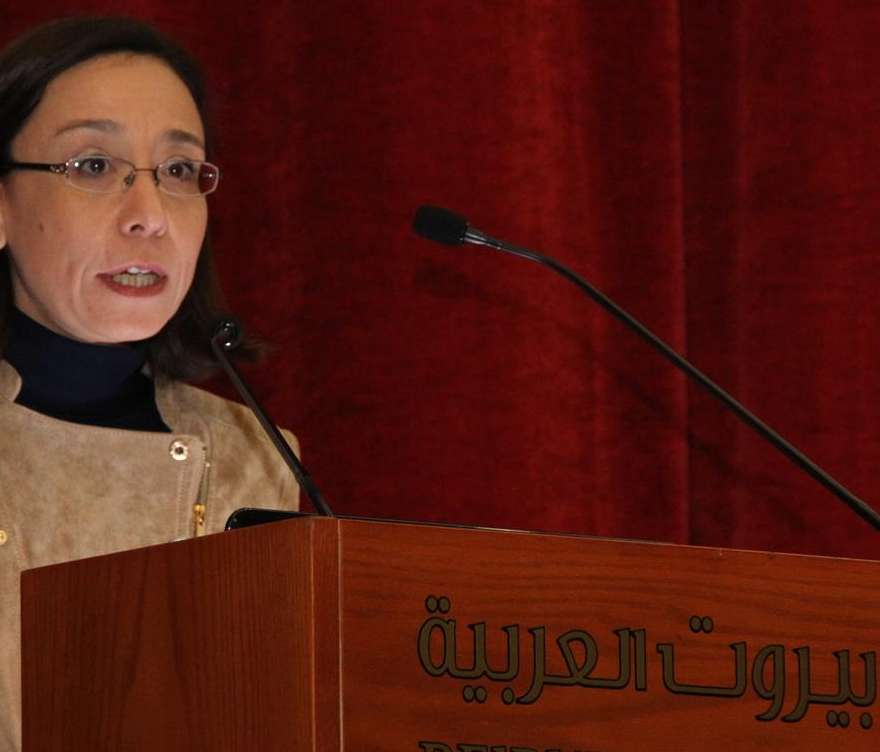
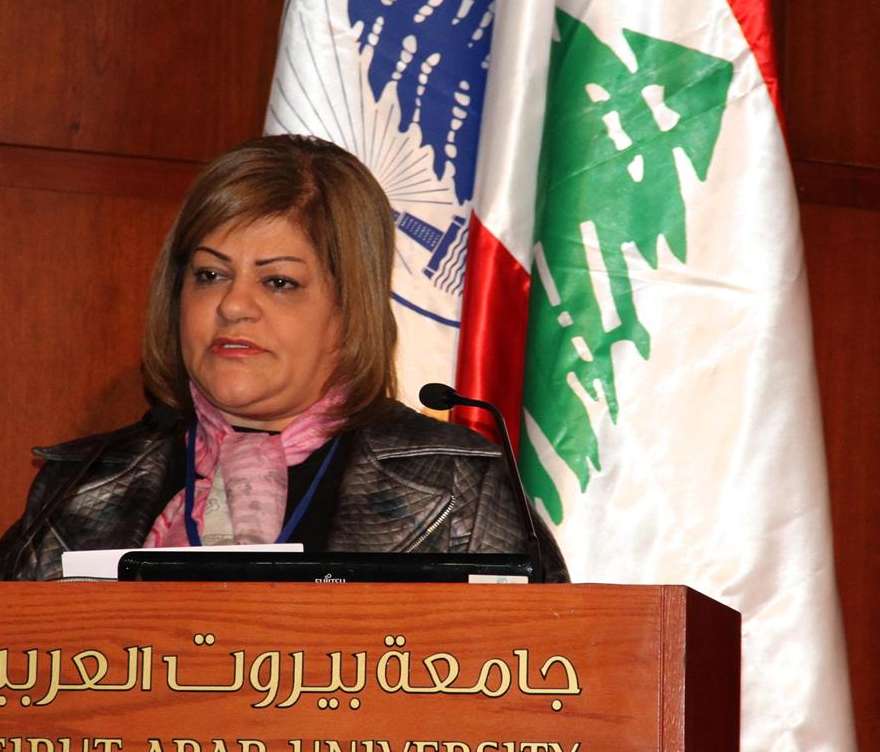
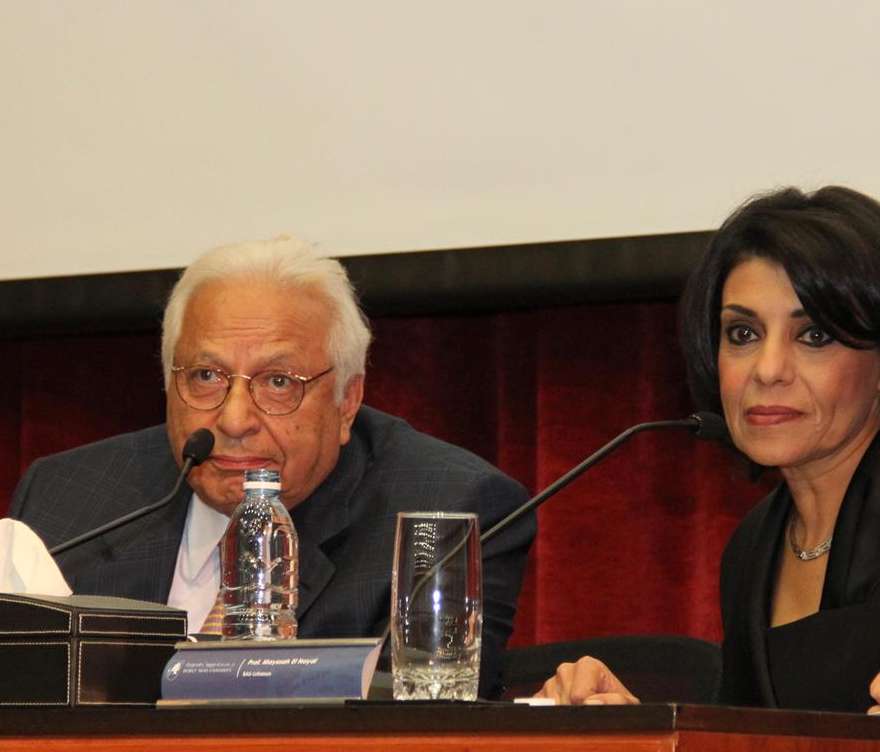
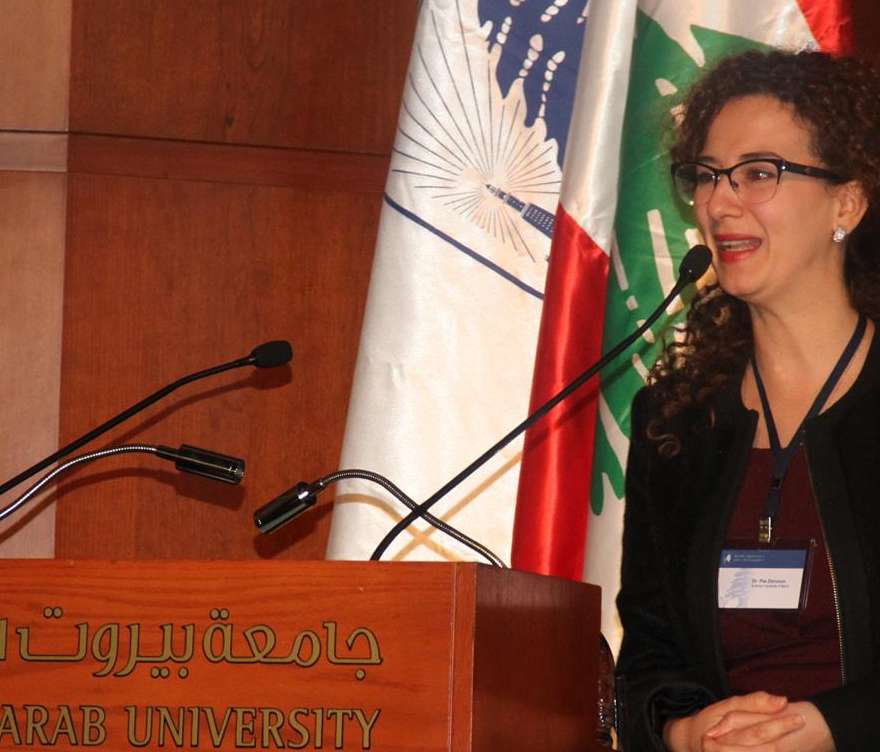
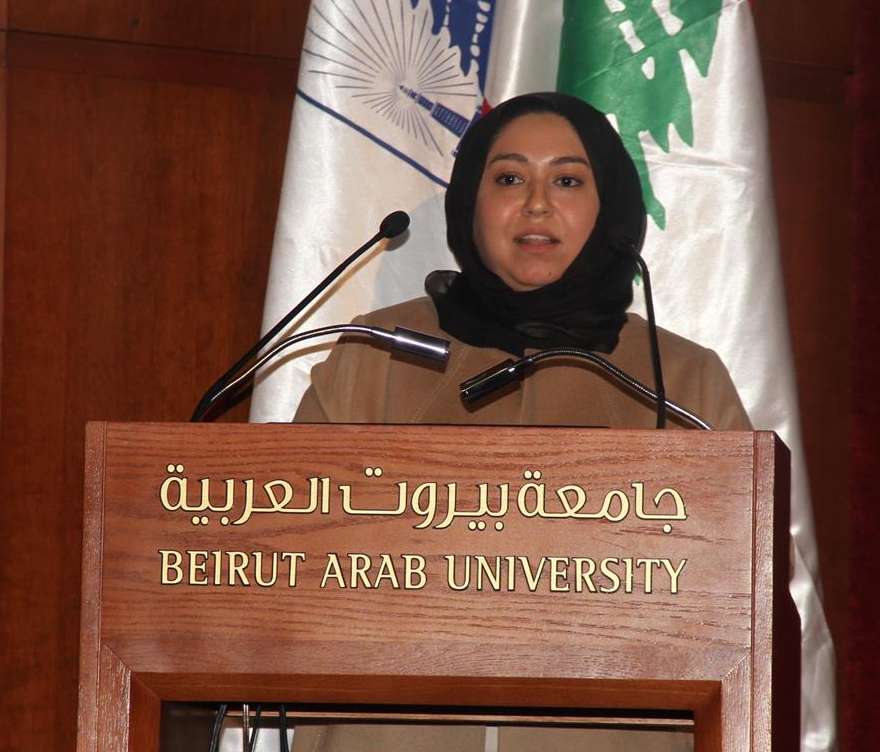
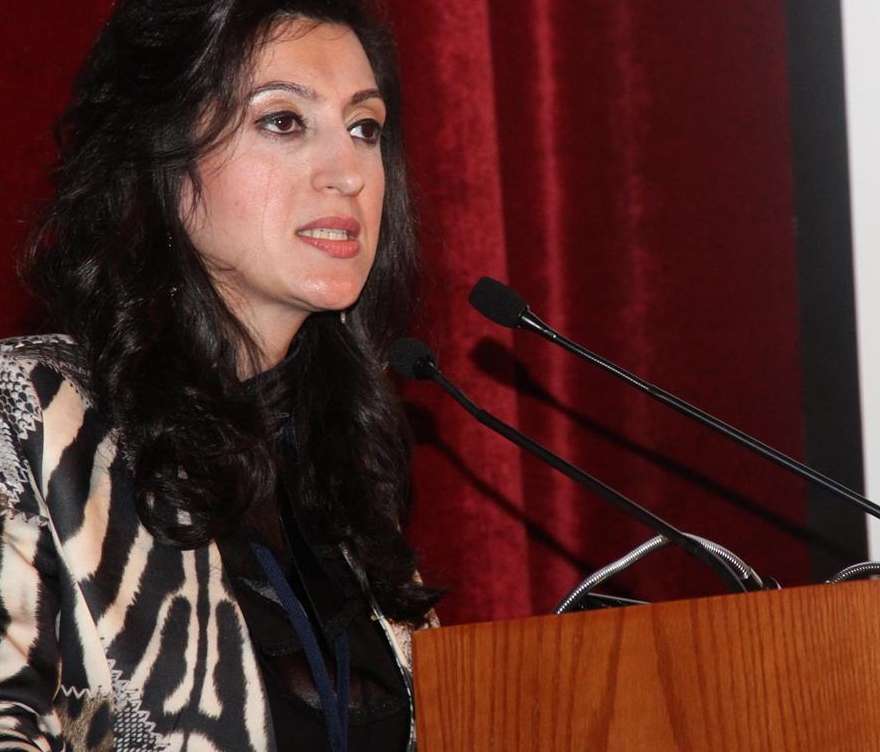
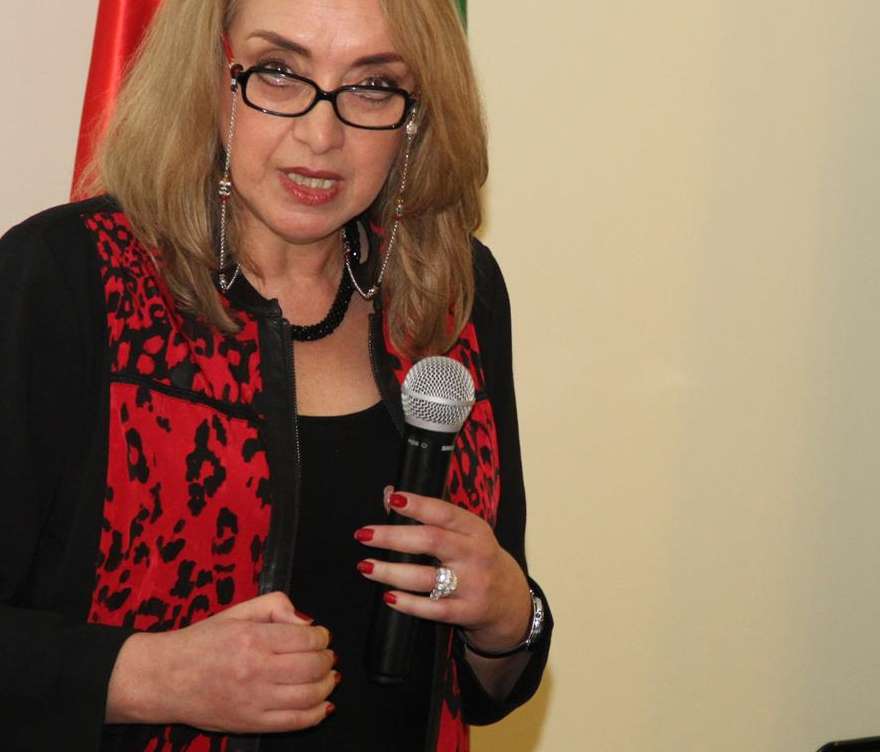
In her speech, Prof. Dr. Mayssah El Nayal, Dean of the Faculty of Arts, pointed out that health is a multi-dimensional concept that is rapidly expanding beyond narrow boundaries to include all aspects of an individual’s life and being.
Prof. El Nayal also pointed out that new inventions, the sciences, technology, media, globalization and other forms of progress have created in turn new forms of disorders, diseases and health concepts. She added that health promotion is achieved by empowering individuals to control their own health and its improvement. This should go beyond focussing on individual behaviour to a wider range of social and environmental interventions.
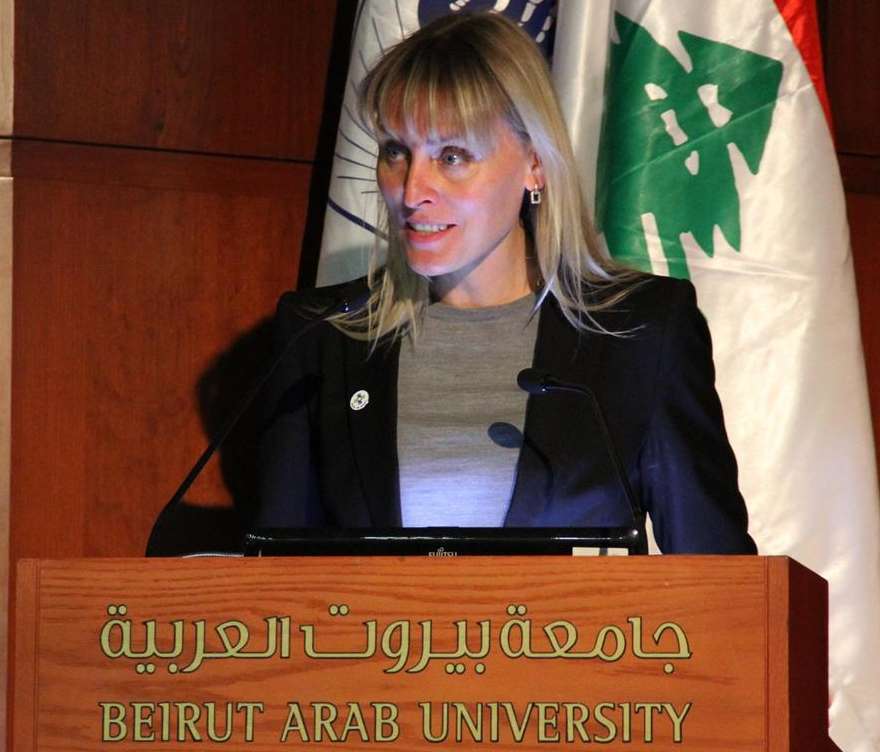
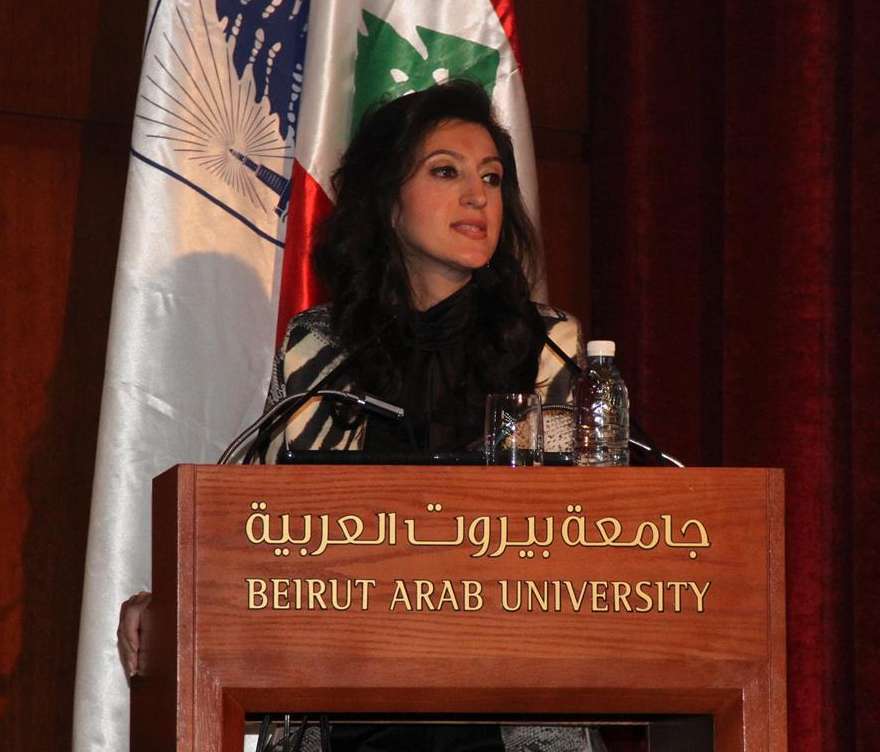
Ms. Alexandra Karlsdotter Stenström, representative of KTK, gave a speech in which she drew attention to the role of the Organization in empowering women, gender equality, and building peace in areas of conflict and post-conflict.
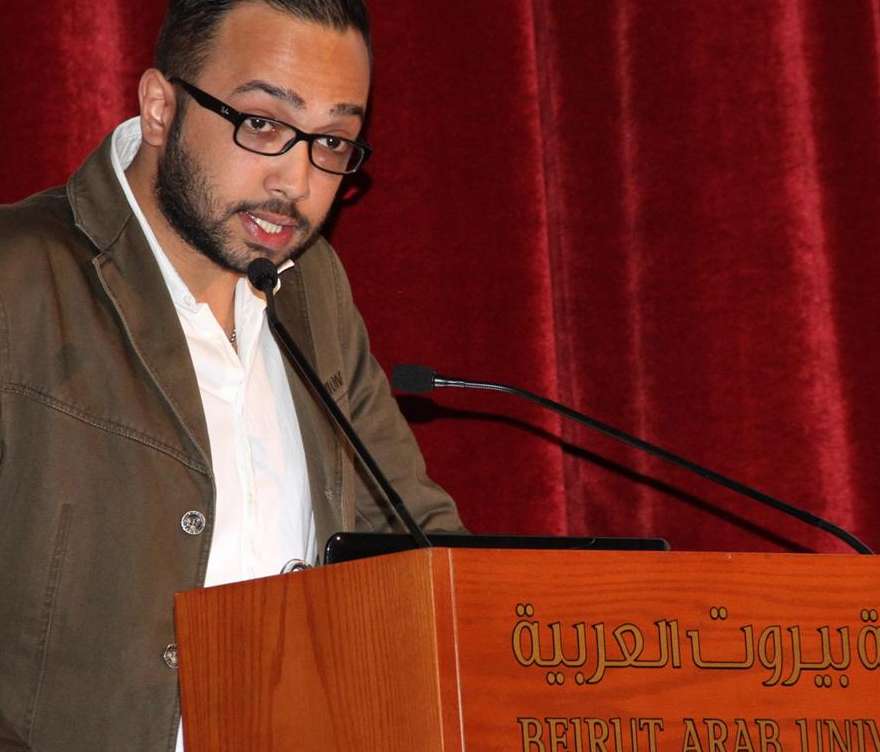
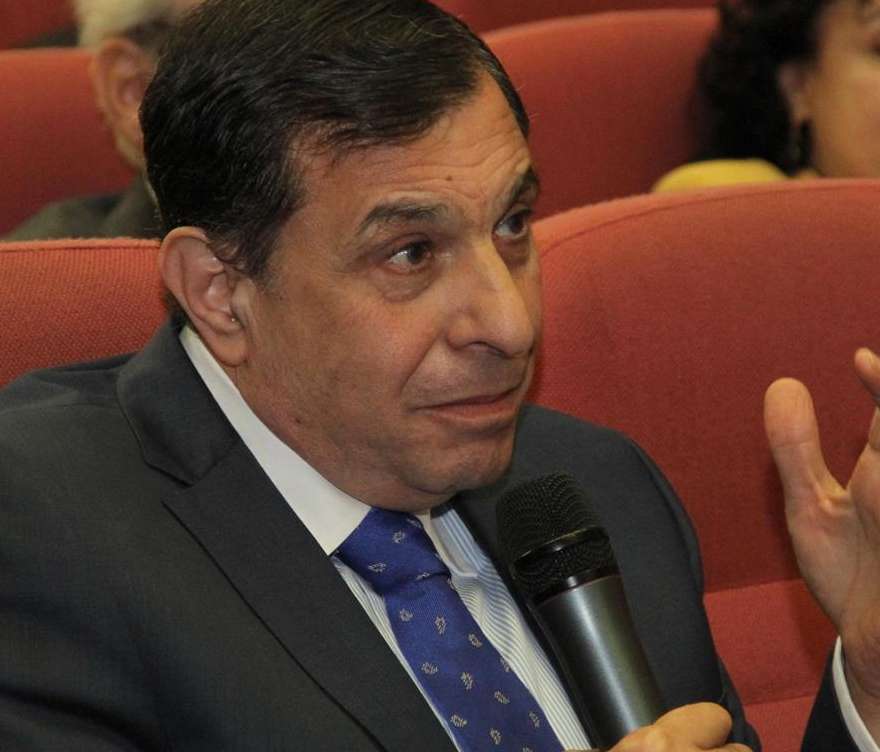
In his word, Mr. Mahmoud El Meligi, representative of APHEDA, described the conference as an epitome of commitment to innovative and integrative thinking on health, an aspect which we have come to observe recurrently in the efforts of the civil society.
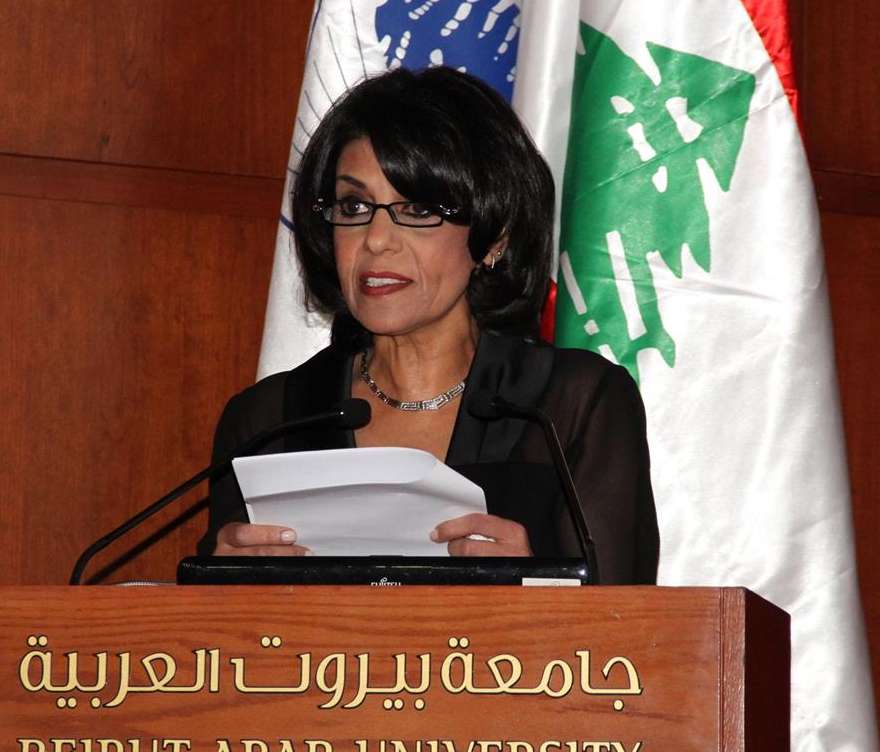
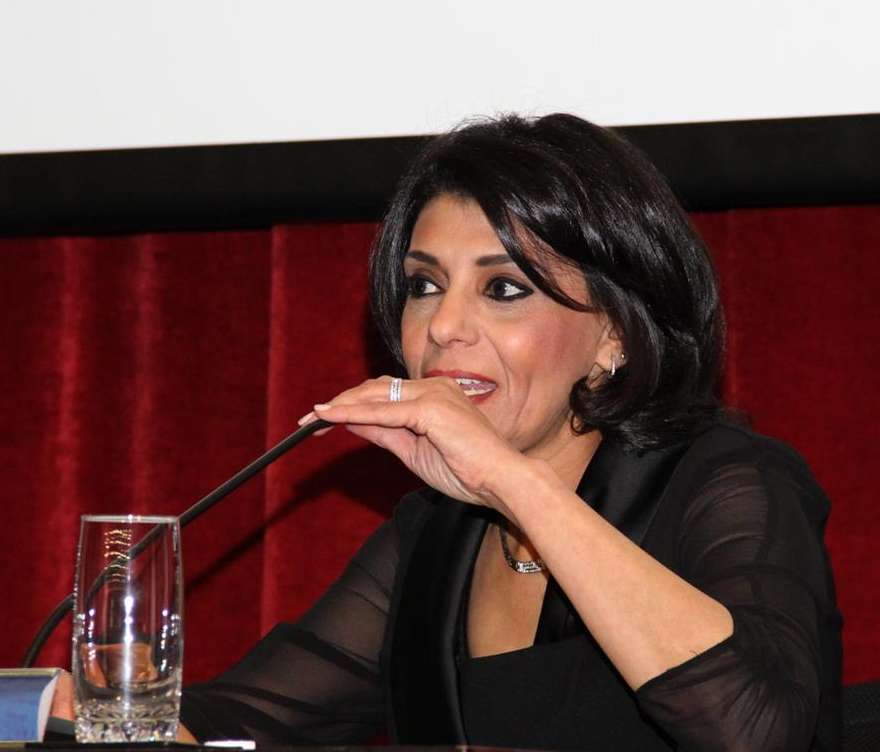
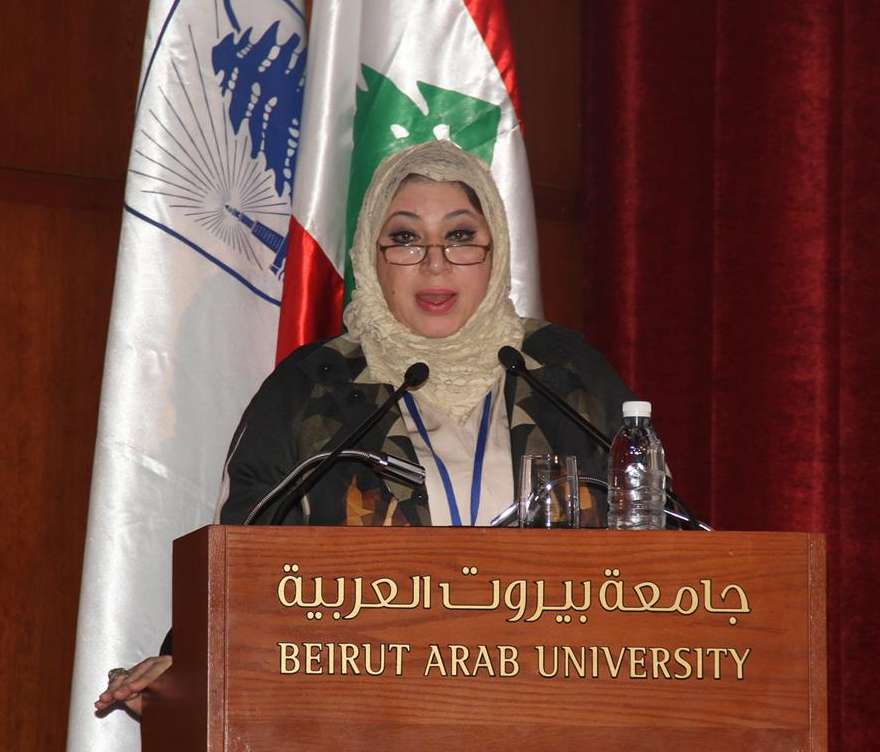
Ms. Olfat Mahmoud represented the civil society highlighted the prominent role played by NGOs in helping people attain optimal health. This is achieved through the provision of health awareness sessions and best practices. She stressed upon the need to change people’s attitude towards health issues by acquiring knowledge and facts, as well as working closely with academic institutions, in particular universities.
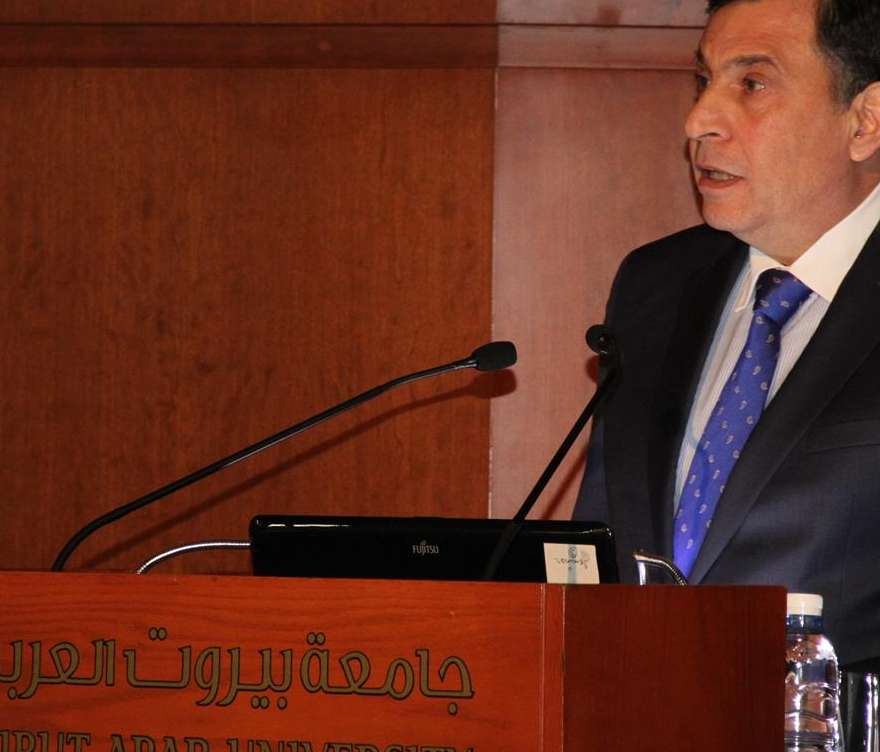
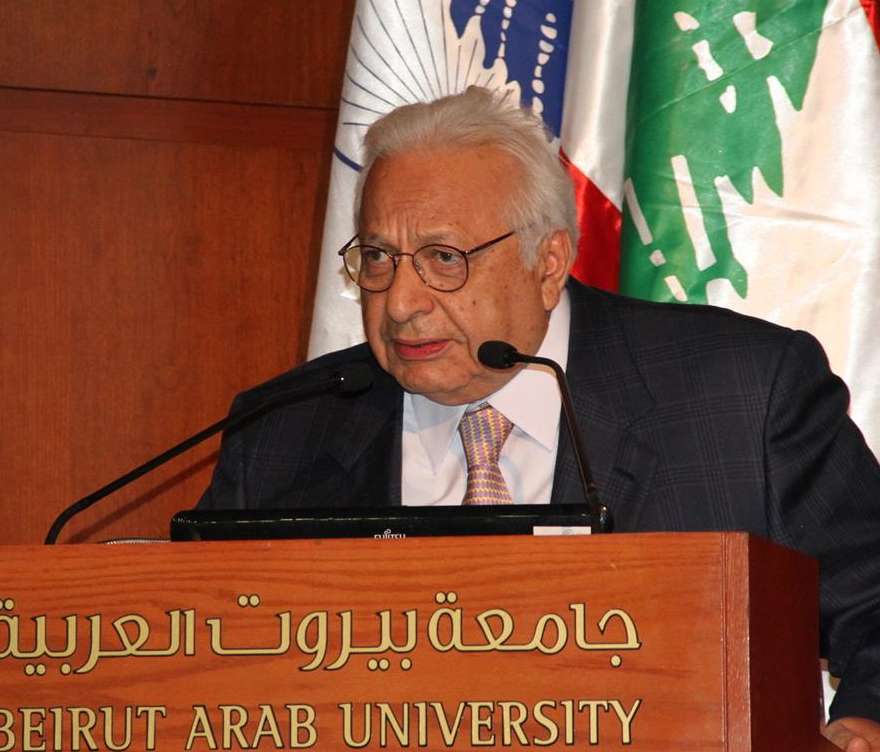
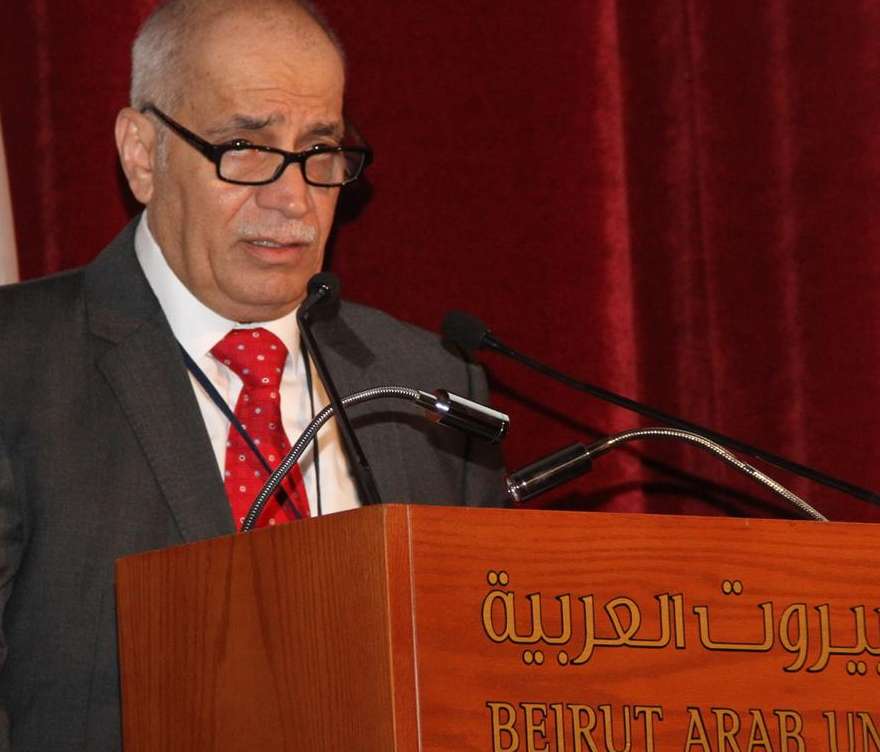
Prof. Dr. Amr Galal El Adawi, President of Beirut Arab University, then gave a speech in which he highlighted that the conference covers all aspects of health and illness, in particular in the light of the increasing rates of physical, mental and social illnesses, both nationally and internationally. El Adawi also reiterated that the university continues to exert efforts in scientific research, to offer solutions that serve the community and raise awareness of health issues.
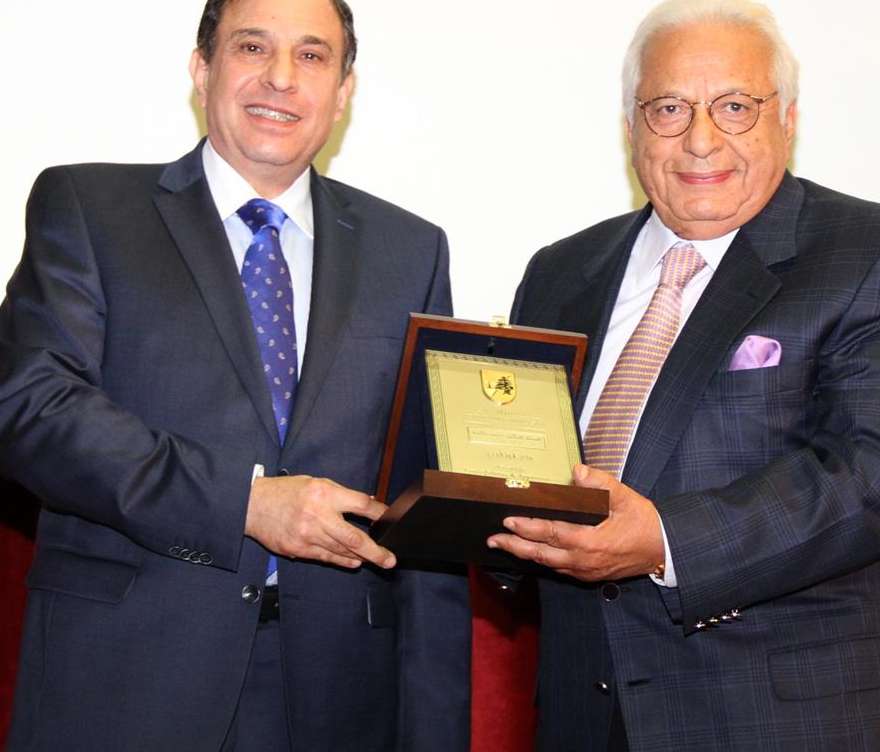
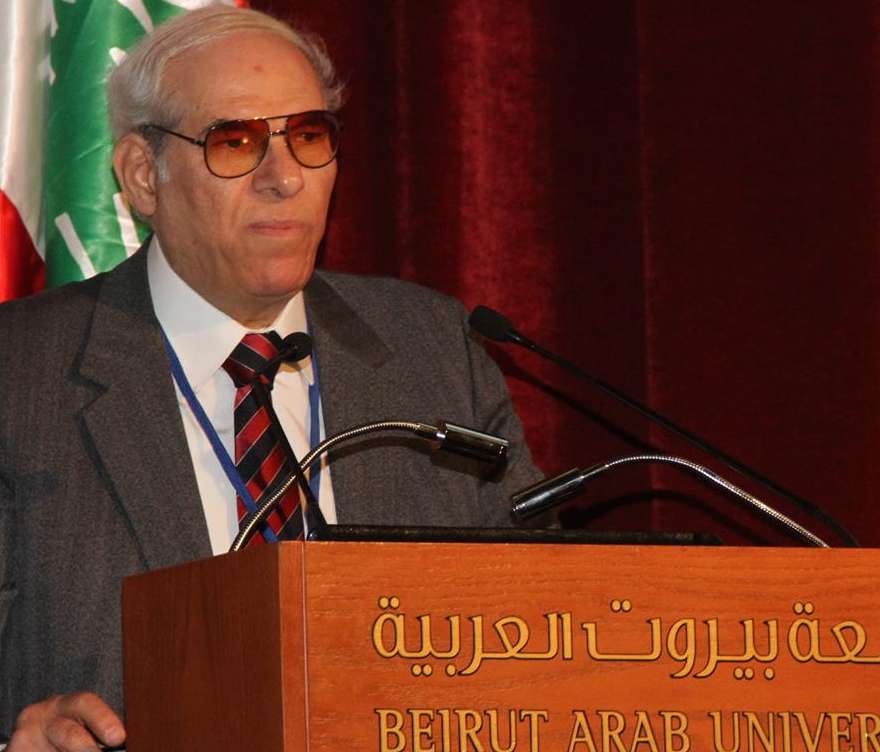
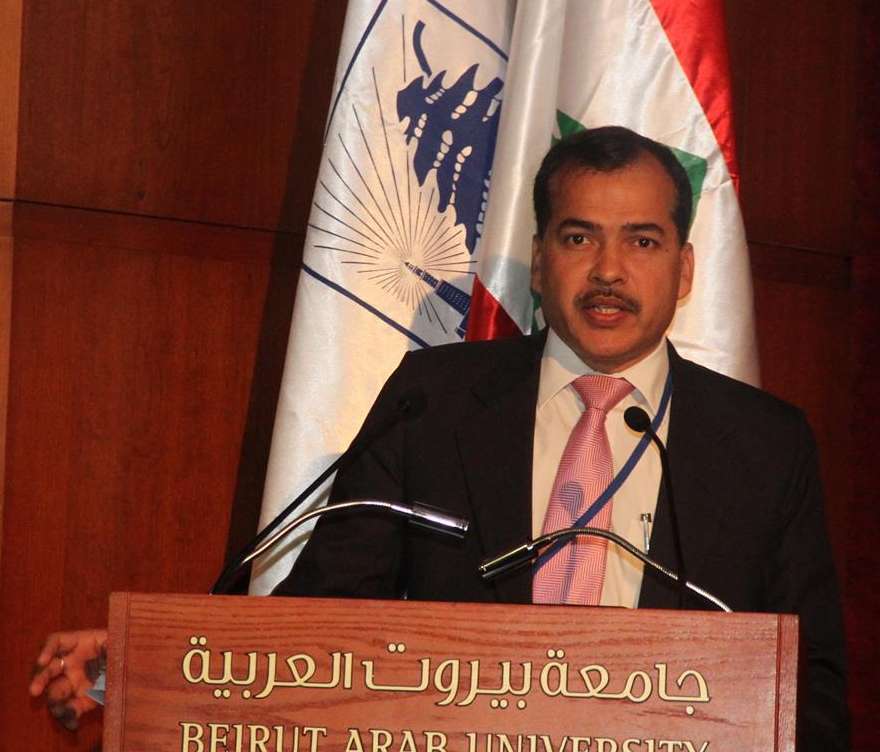
This was followed by a lecture delivered by Prof. Dr. Ahmed Okasha, Professor of Psychiatry at Ein Shams University, on illness versus health. He defined mental health as a state of well-being attained by the individual through their ability to confront stress, and indicated the most prominent social determiners of health in the Arab World. Okasha maintained that the causes of mental health dysfunctioning can be attributed to social exclusion, poverty, unemployment and bad working conditions, emphasizing the necessity for medical intervention to treat the effects of a disorder.
Okasha also argued that the treatment of human problems as medical problems is a serious mistake. He indicated that Western societies today tend to consider happiness an entitlement and seek to restrict negative emotions.
Prof. Ahmed Okasha is a specialist in the field who has authored dozens of books in English and Arabic, including references in psychiatry and physiological psychology. He has further published hundreds of Research Papers in National and International journals, in addition to being a member of numerous scientific committees.
Okasha has also been awarded the State Merit Award in Creativity in Medicine by the Scientific Research Academy in 2000, the State Merit Award in medical Sciences in 2008, the Mubarak Award for Medical Sciences in 2010, and he was appointed advisor to the Egyptian Presidential Advisory Board of Scientists and Experts in 2014.