







Japan … at BAU
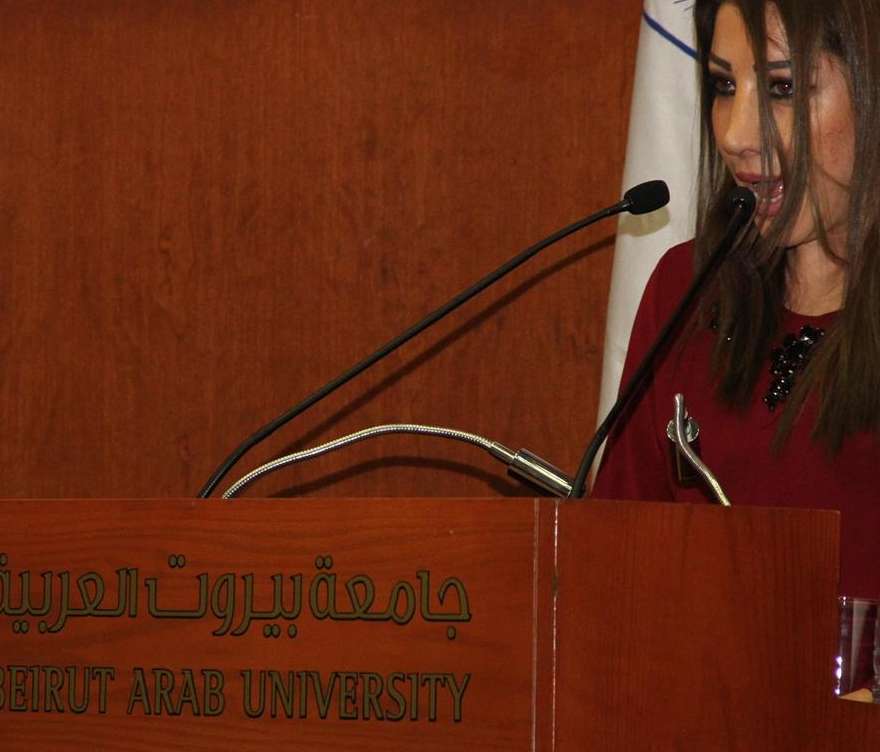
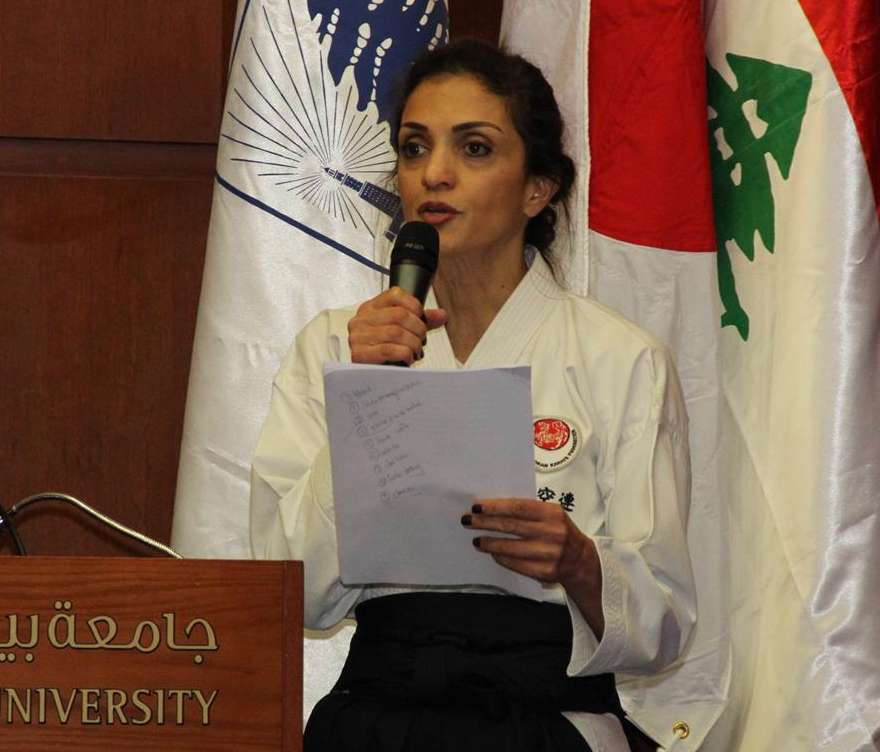
04 March 2015The students of Beirut Arab University spent a long day getting to know the Japanese culture throughout the “Japanese Day” event which was organized by the Public Relations Administration at BAU in collaboration with the Japanese Embassy on the 4th of March, 2015 at Jamal Abdel Nasser Hall – Beirut Campus. The aim was to introduce students to the Japanese civilization, culture, customs and aspects.
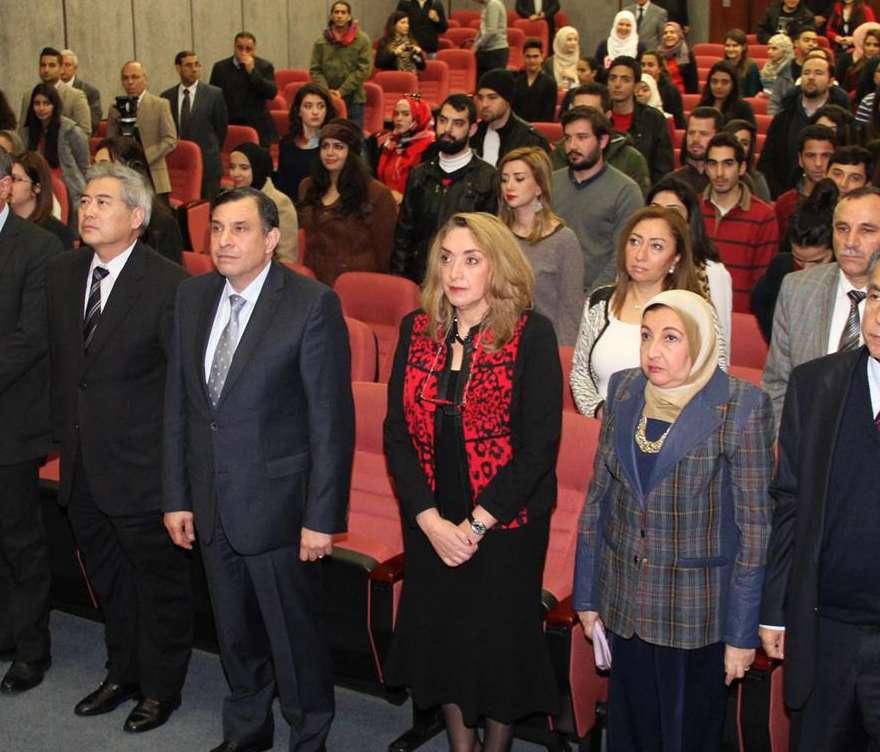
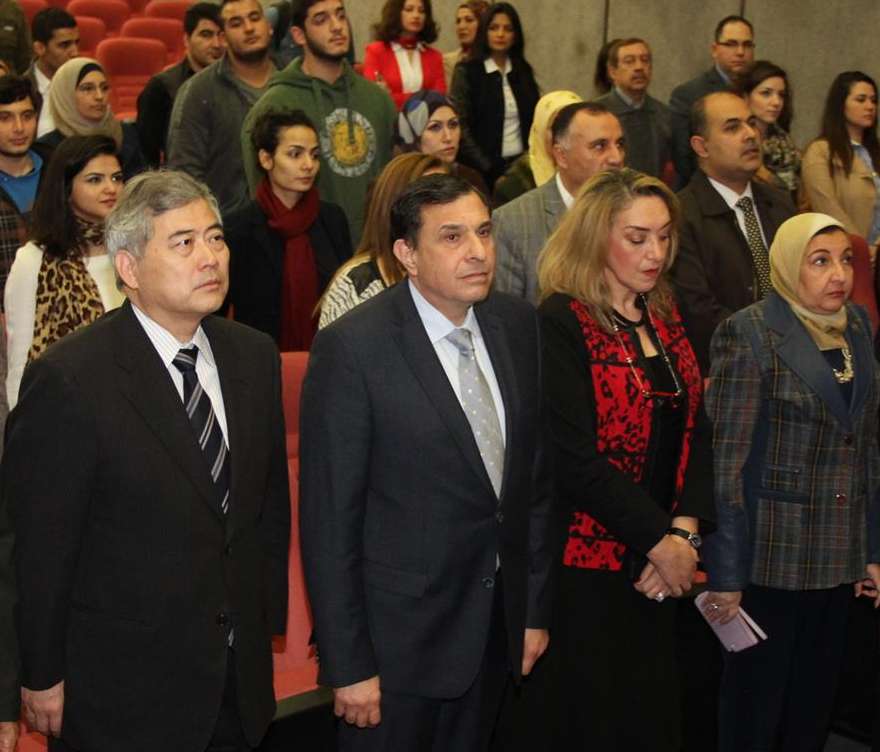
The Day opened with the Lebanese and Japanese National Anthems and was attended by Prof. Amr Galal El Adawi, BAU President, the Japanese Ambassador to Beirut, Seiichi Otsuka, the deans of faculties and students, BAU directors and a crowd of interested students. The program started with a meeting with the Japanese Embassy’s First Secretary, Mr. Masami Ishii, who gave a presentation of university education in Japan. Mr. Ishii elaborated on the advantages of Japanese universities, and invited students to enroll there. He also spoke of the scholarships offered by the Japanese Ministry of Education, Culture, Sports, Science and Technology (MEXT) to foreign students who want to enroll for postgraduate studies at Japanese universities, and listed the different fields of study, qualifications, conditions, durations of scholarships and benefits entailed.
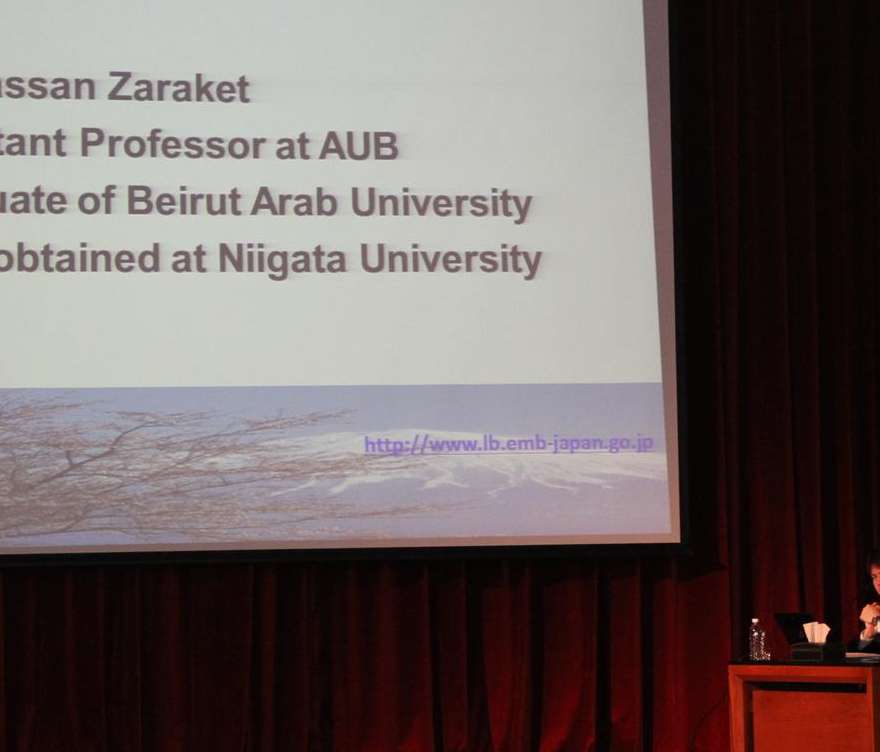
After that. The Pharmacist Hassan Zraket, a graduate of the Faculty of Pharmacy at BAU spoke of his personal experience while pursuing his higher studies in Japan, highlighting the scientific benefits he gained that enriched his career.
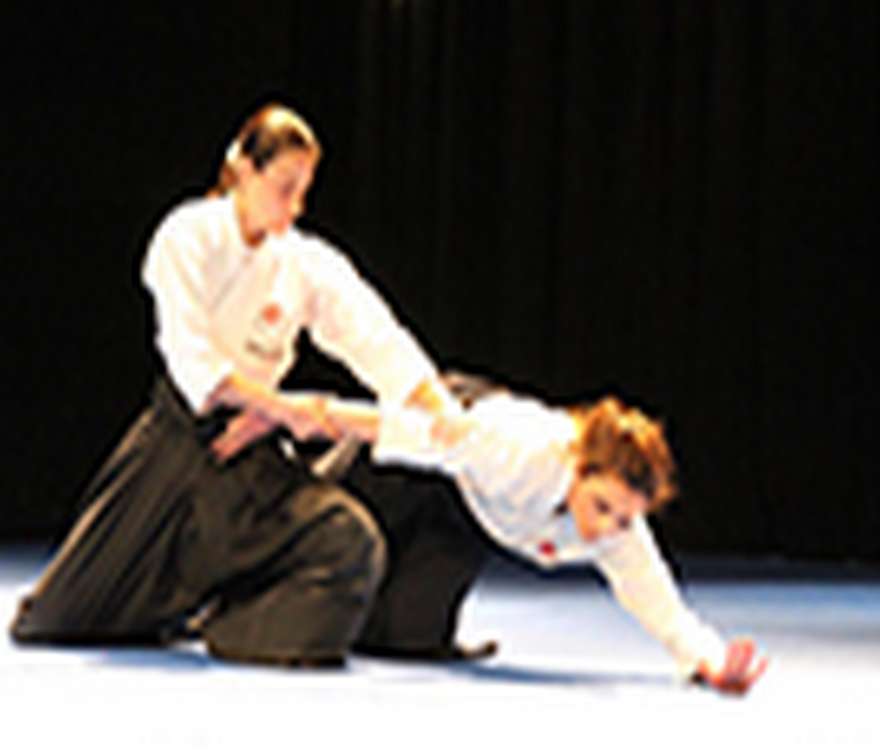
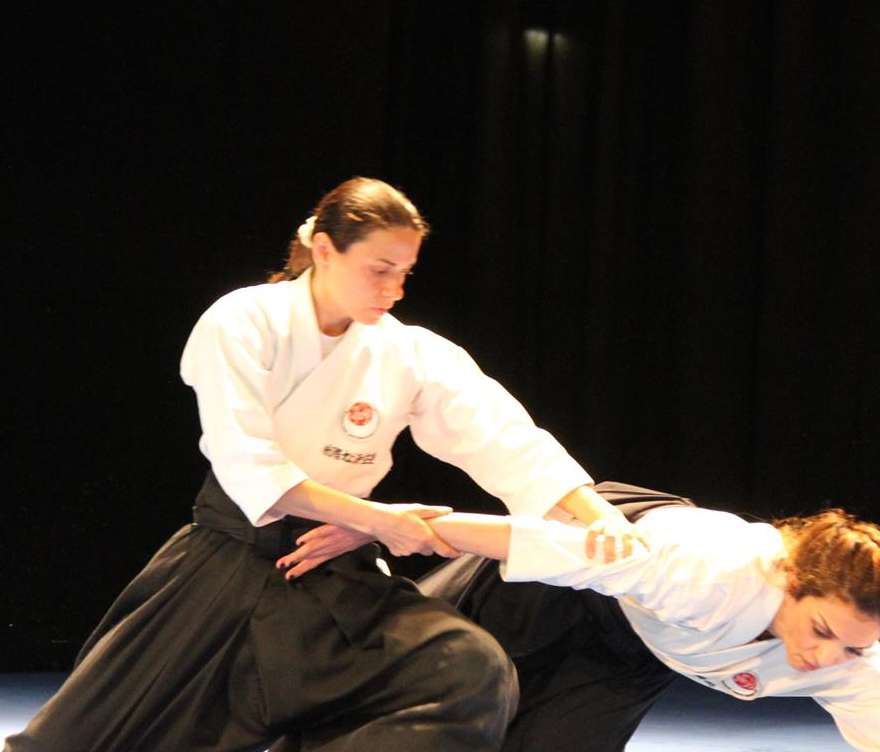
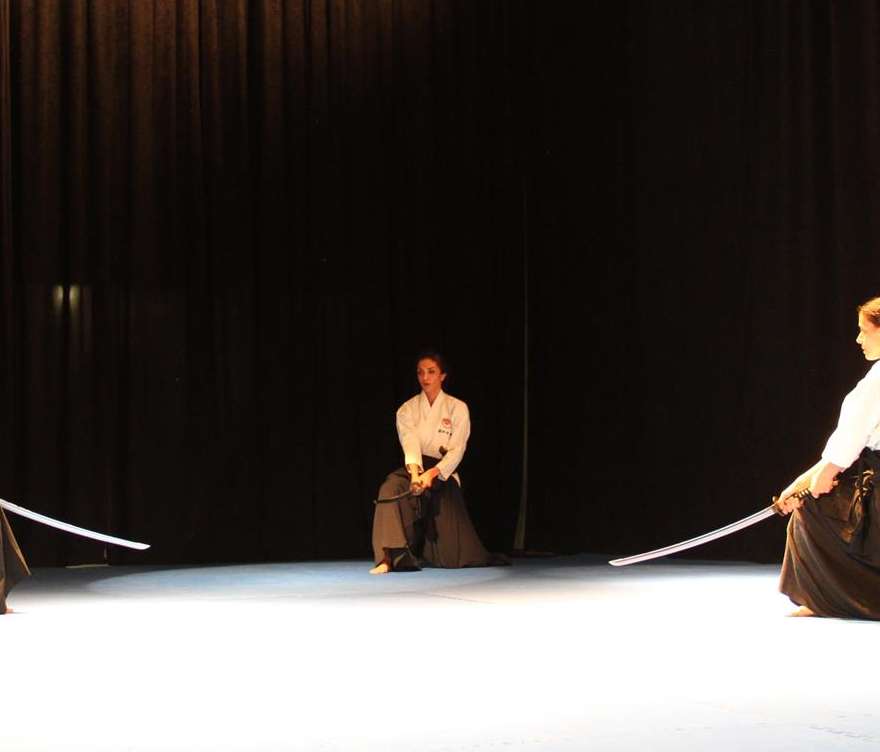
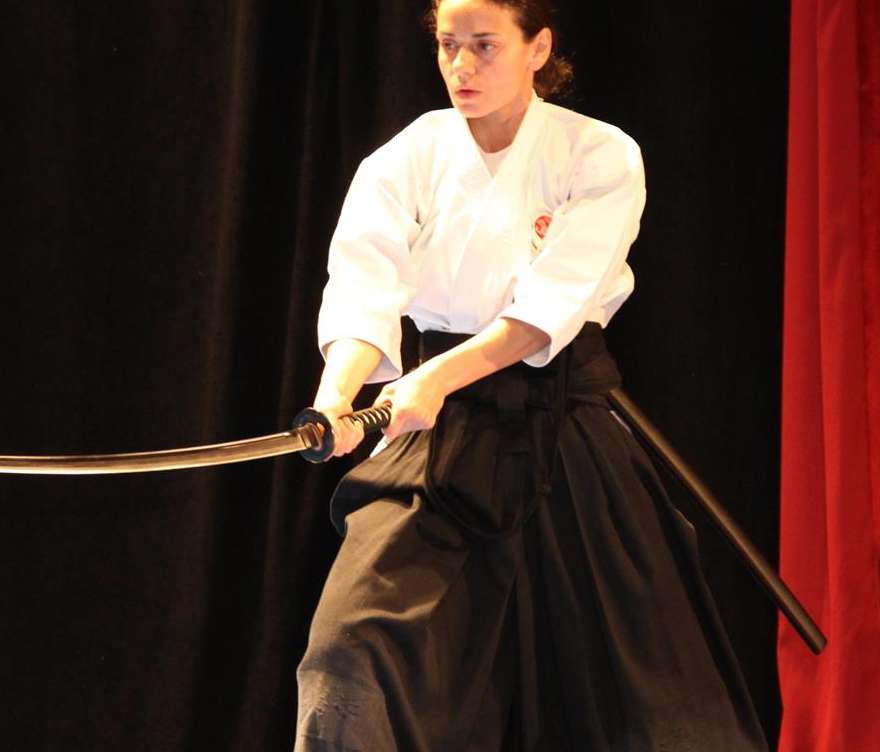
This was followed by a Martial Arts Show, presented by a group of Kokushokuren who performed a number of exercises that allow a person to defend him-/herself or attacks using swords and wooden tools.
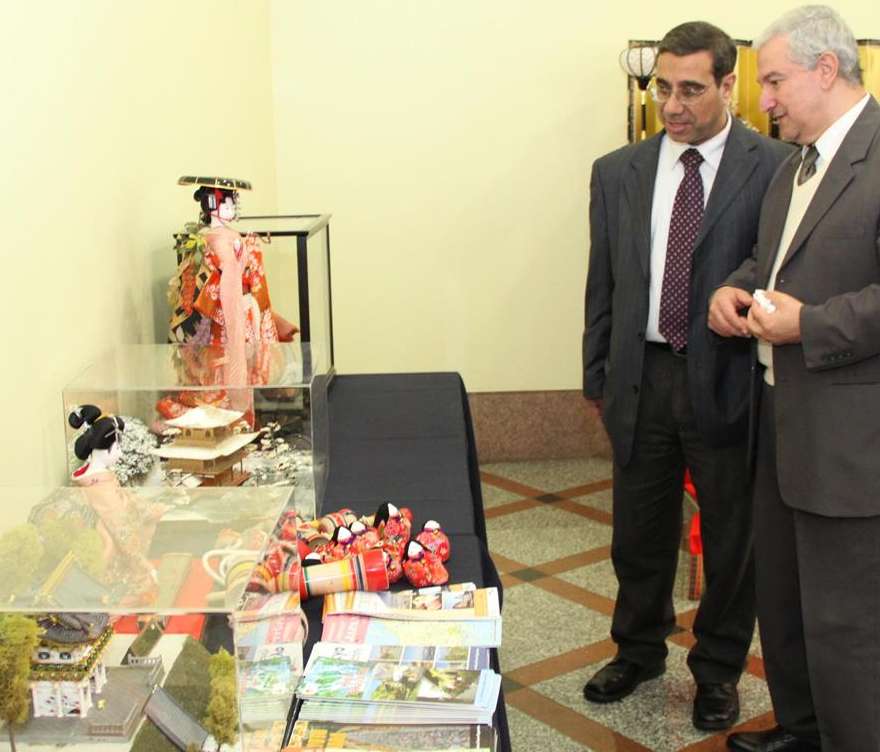
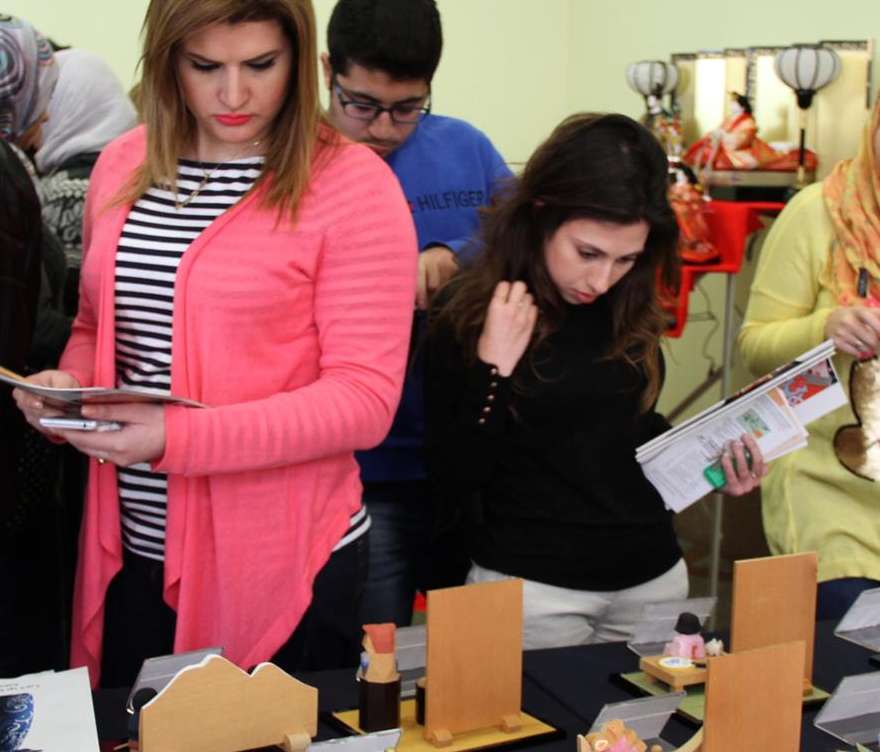
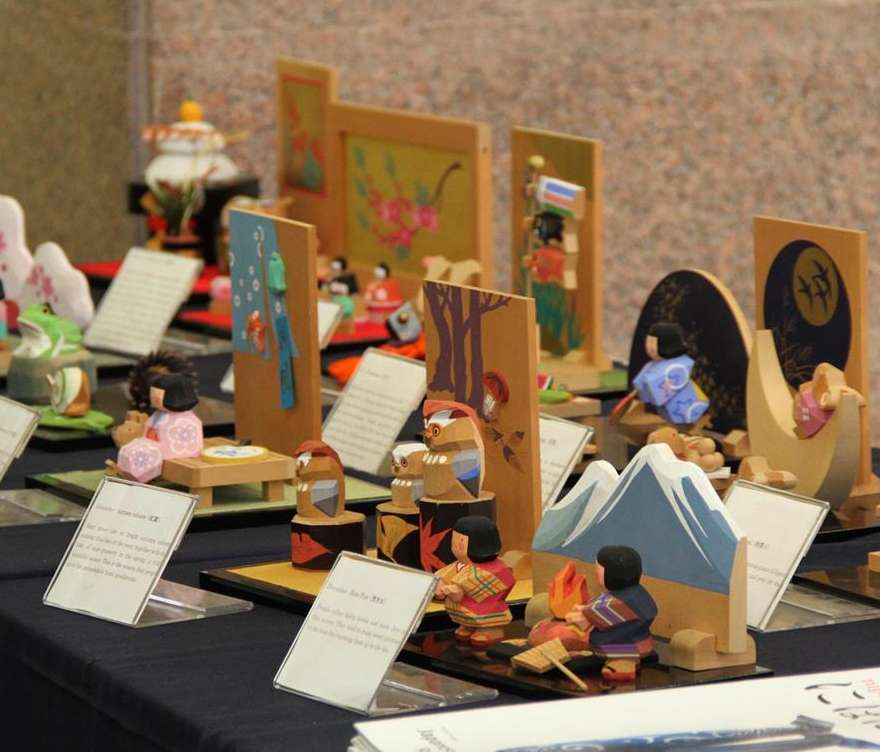
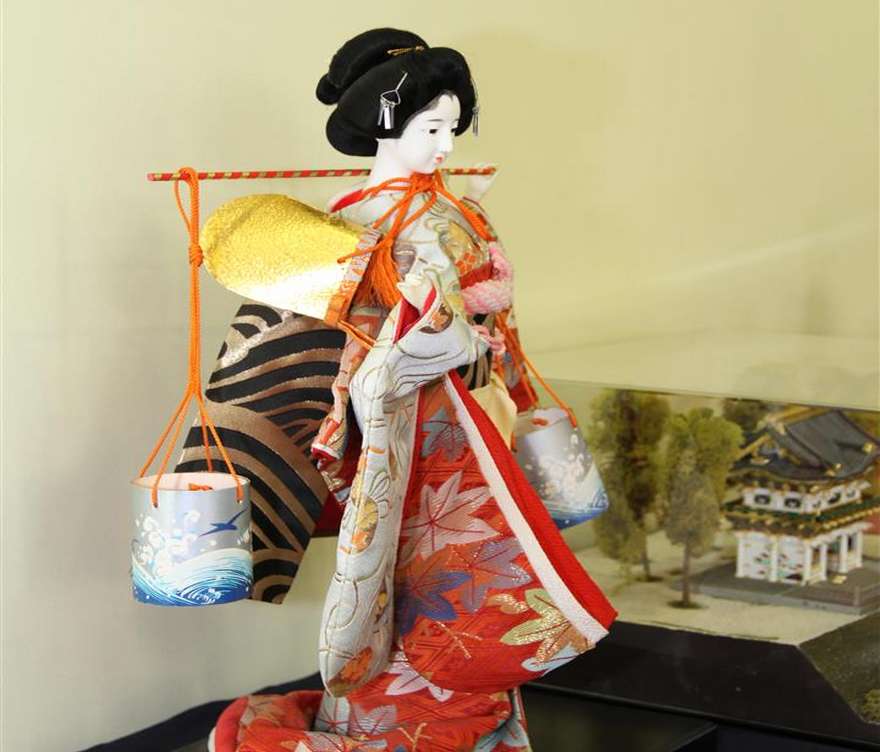
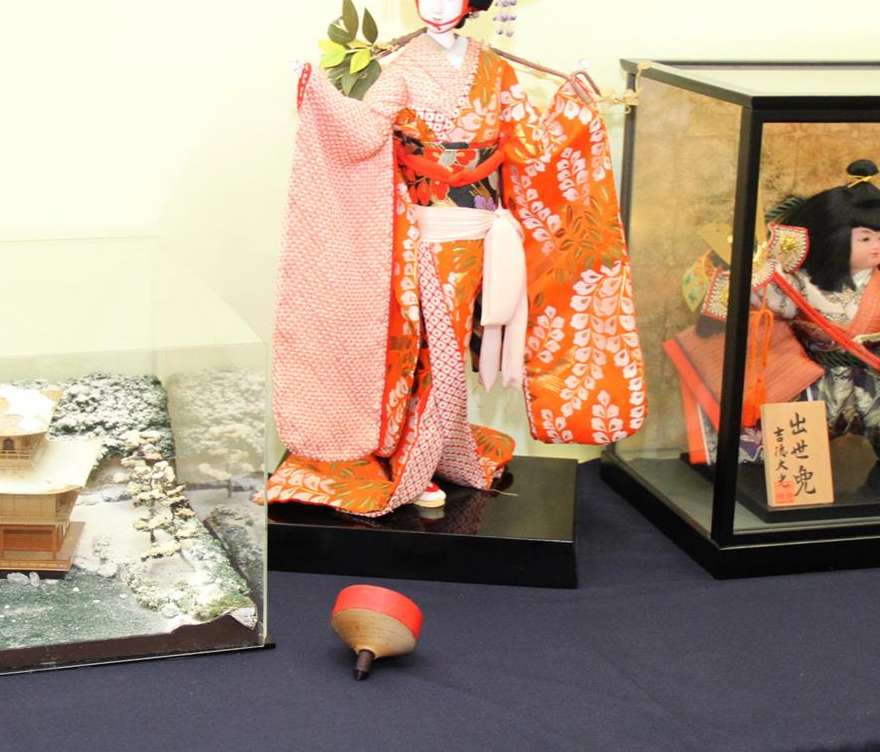
The Day was a window onto Japan as it included an exhibition of Hinamatsuri (Imperial Royal Dolls Festival), wooden and paper artifacts which highlighted the Japanese cultural diversity in terms of customs, arts, traditions and habits.
The Japanese Embassy also provided the students with a set of brochures relevant to life in Japan, such as maps, tourist guides, and booklets on sports, arts, transportation and Japanese foods.
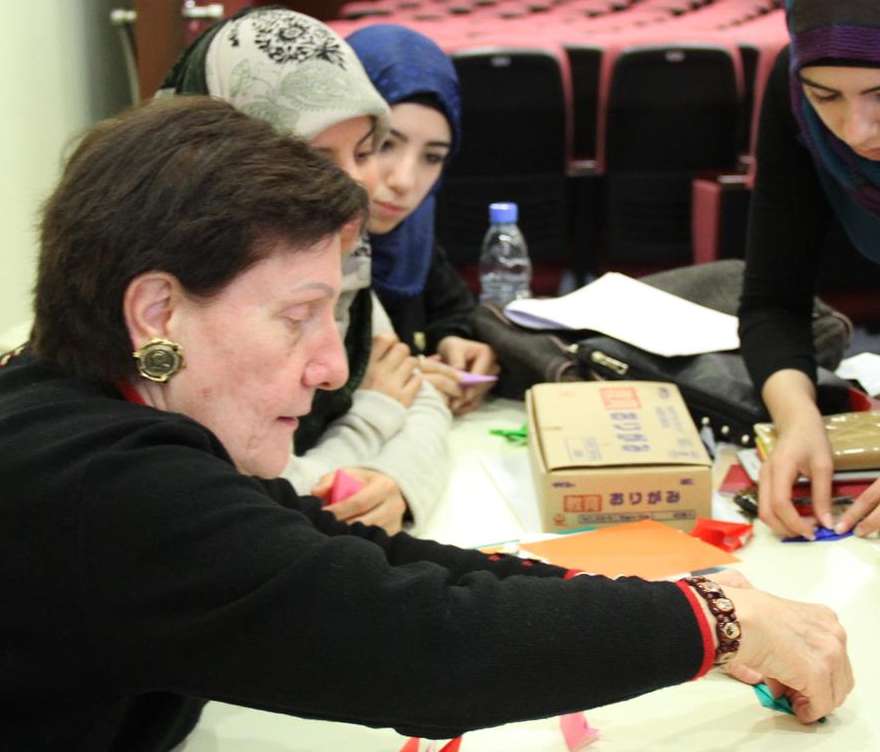
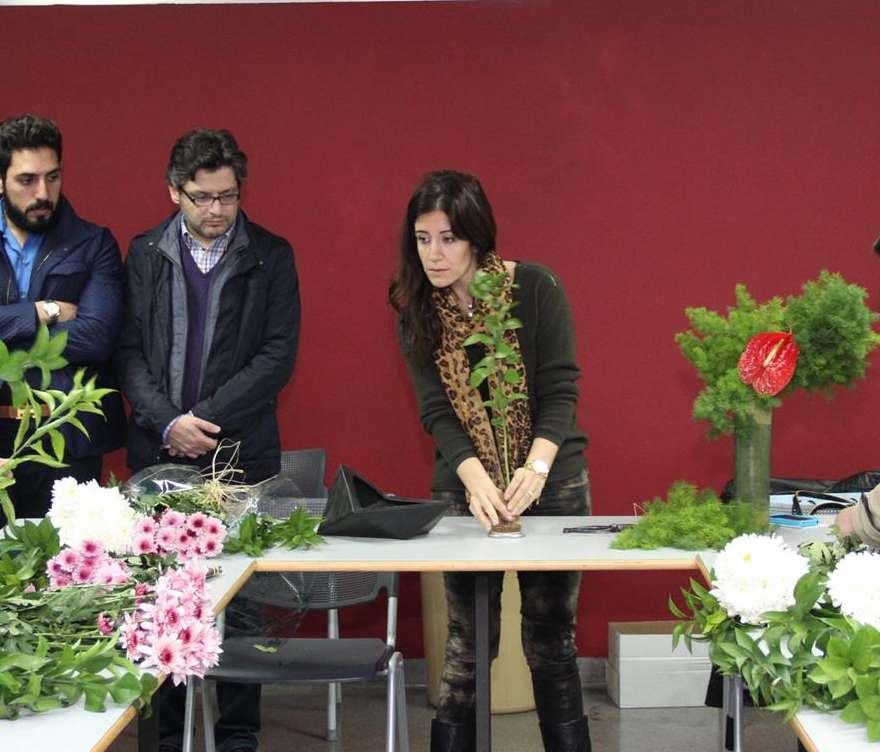
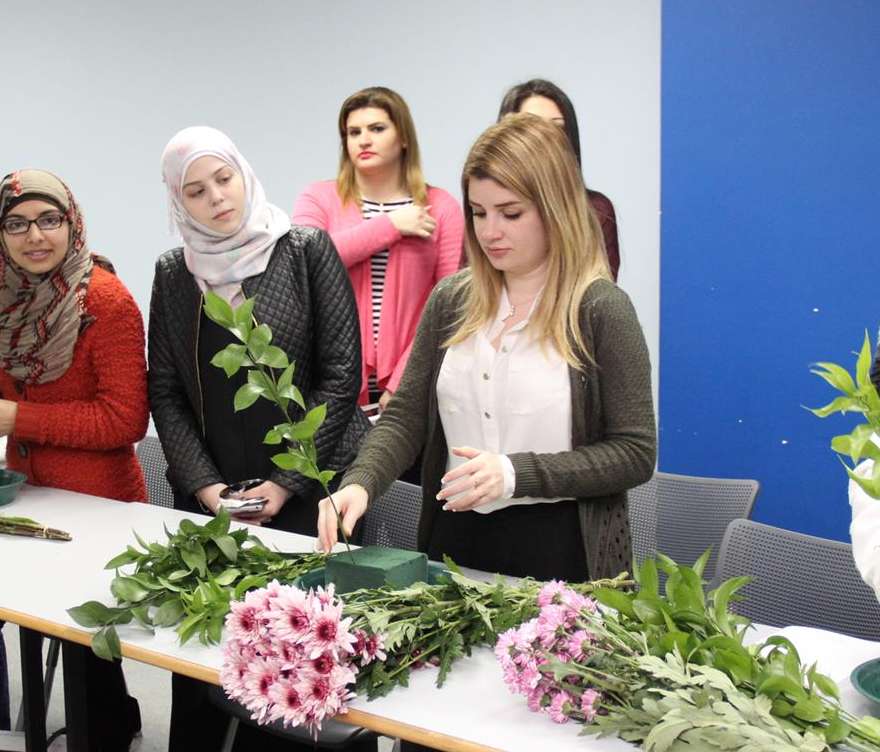
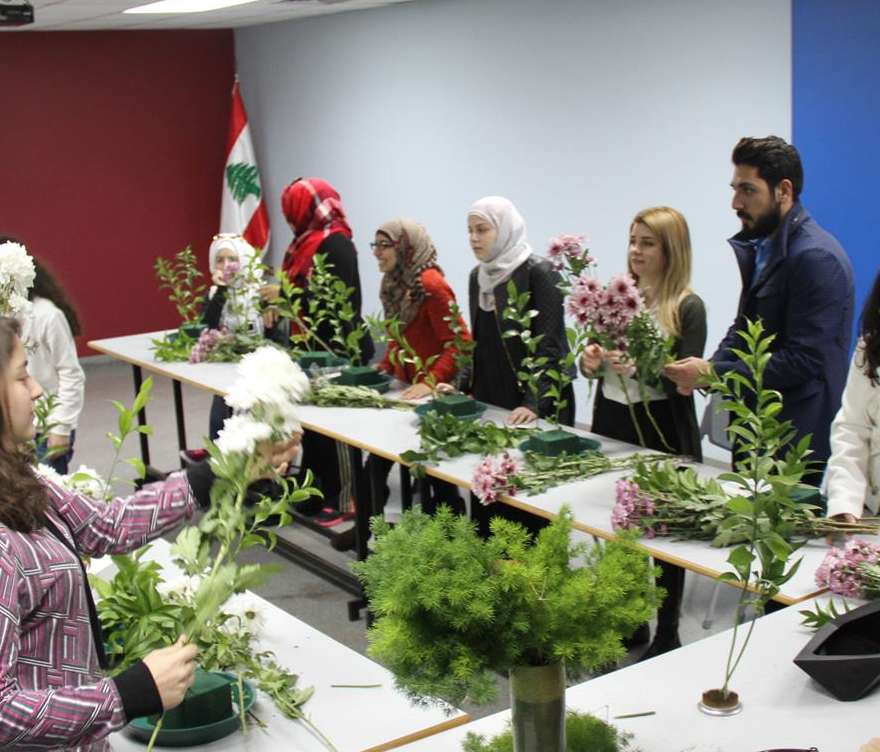
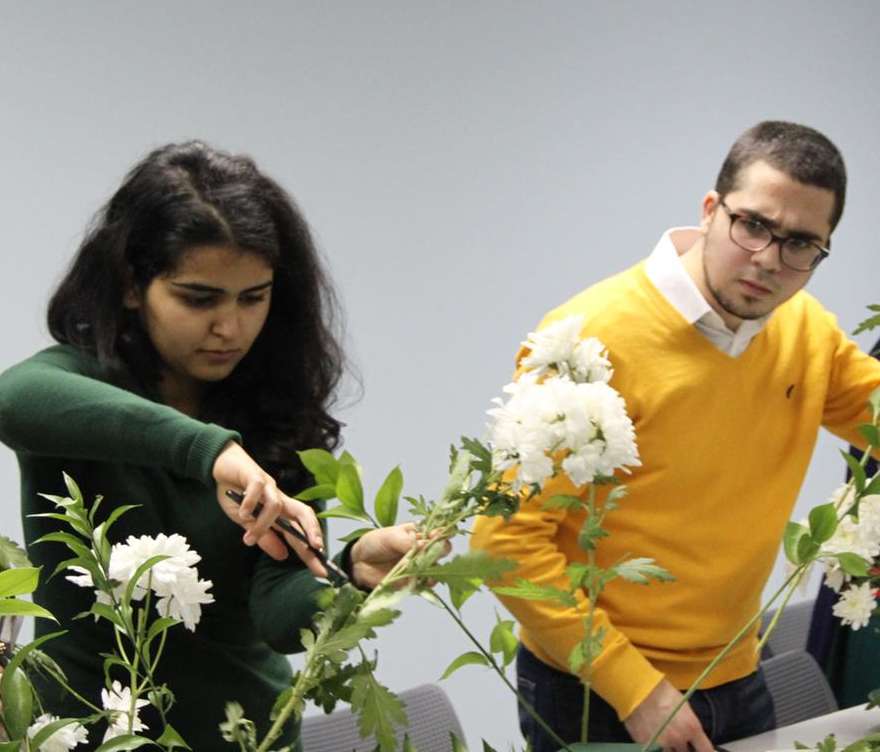
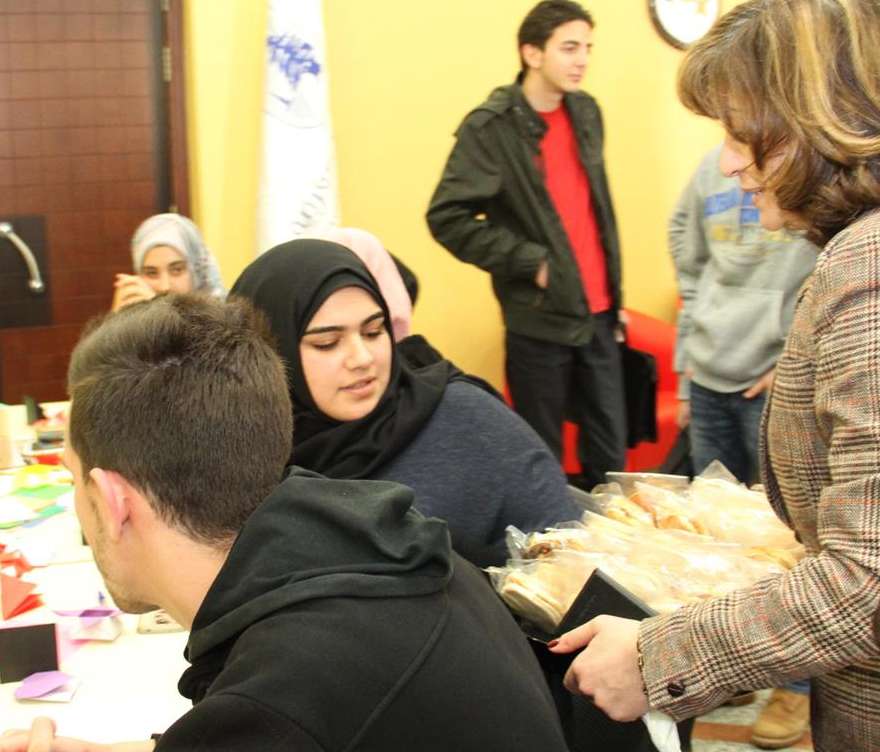
The students were also introduced to the traditional Japanese paper-art known as Origami, and they learnt how to make various shapes out of colored sheets of paper. They were also introduced to the Japanese art of floral arrangements, known as Ikebana. This art distinguishes itself from other similar art-forms in its careful selection of each constituent element, including the kind of flower, the pot, the position of each branch or flower, and the harmony between the branches the pot and their position.