
Samir Franjieh Lecture on The Lebanese Spring and the Possibility to Renew it at BAU Tripoli Campus

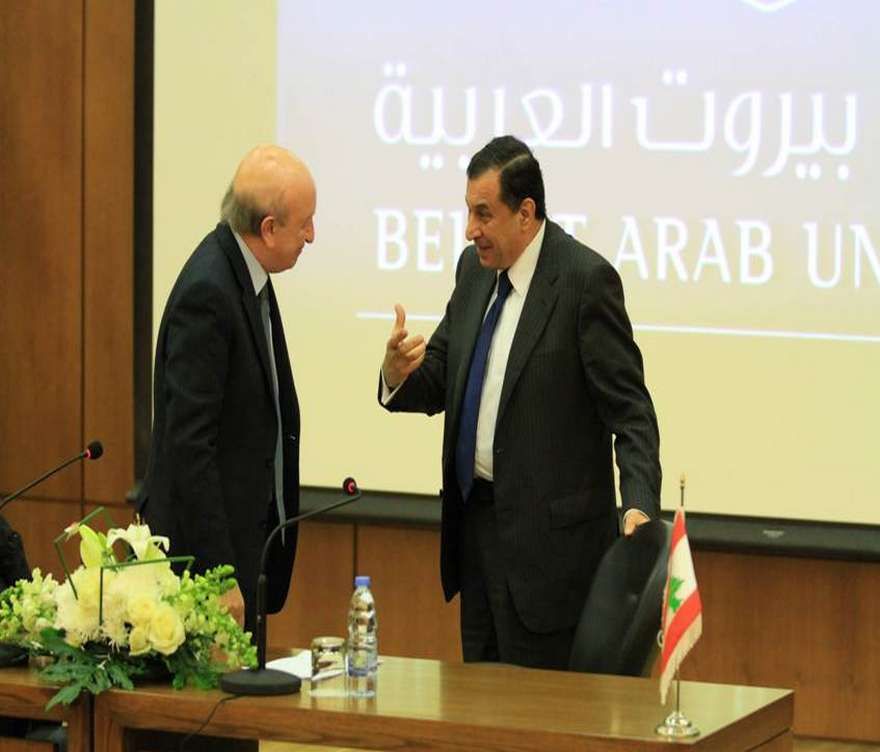
Samir Franjieh Lecture on “The Lebanese Spring and the Possibility to Renew it” at BAU – Tripoli Campus
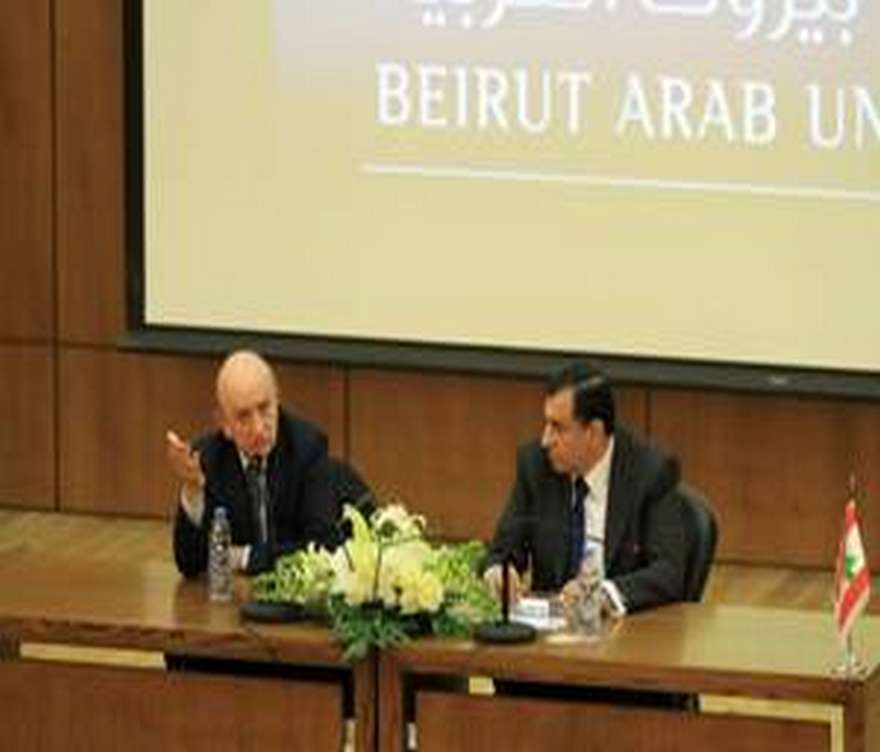
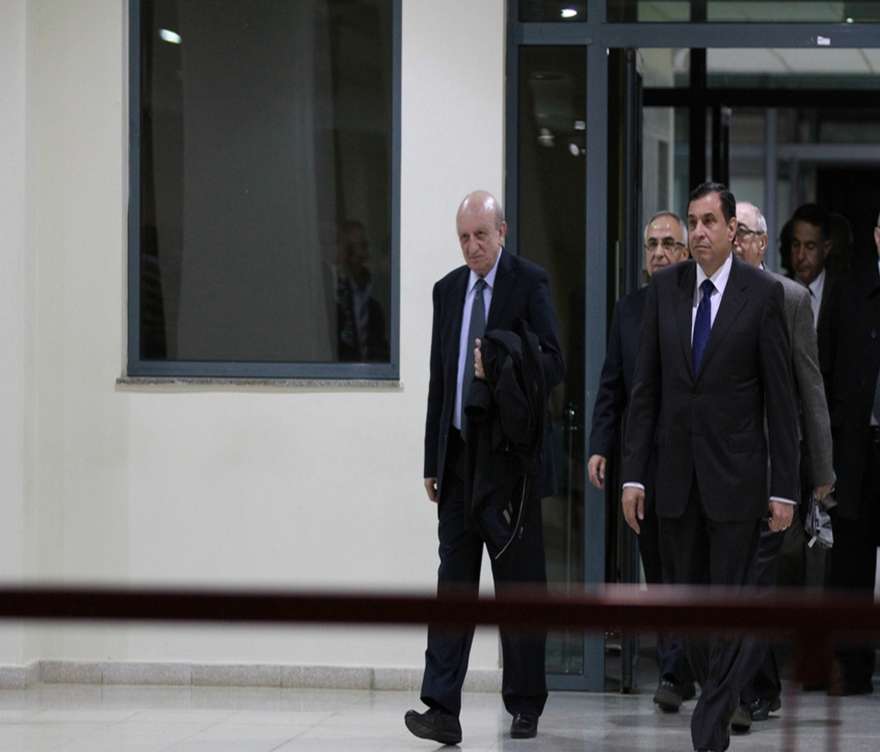
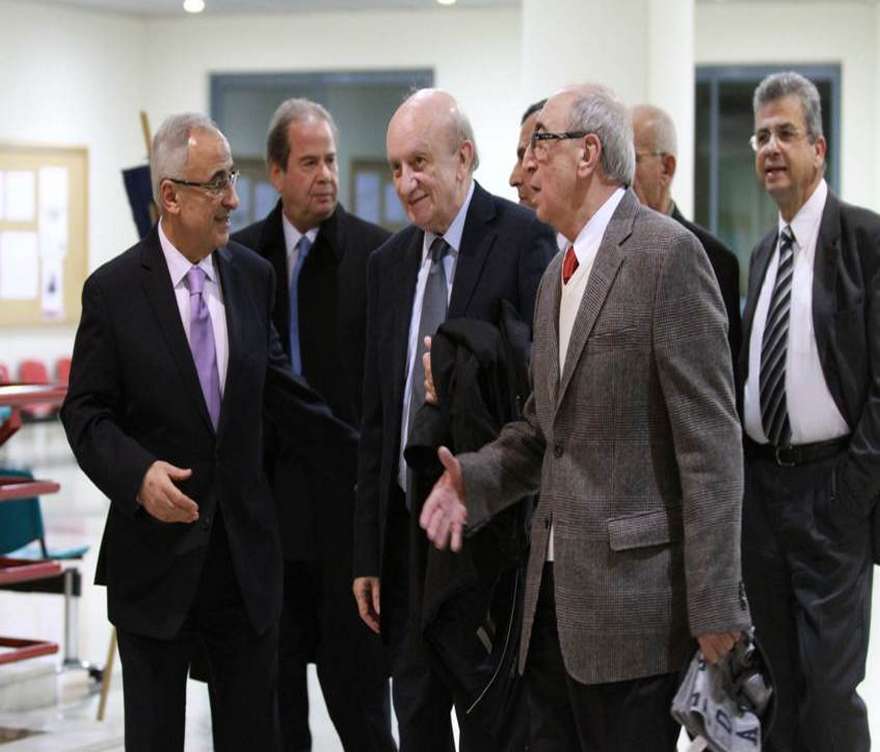
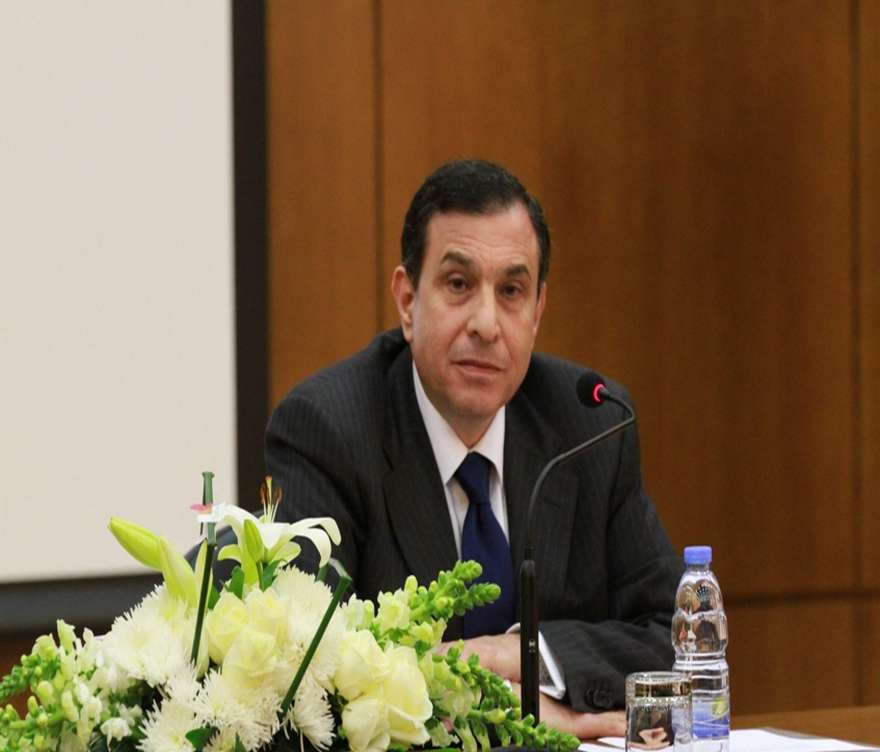
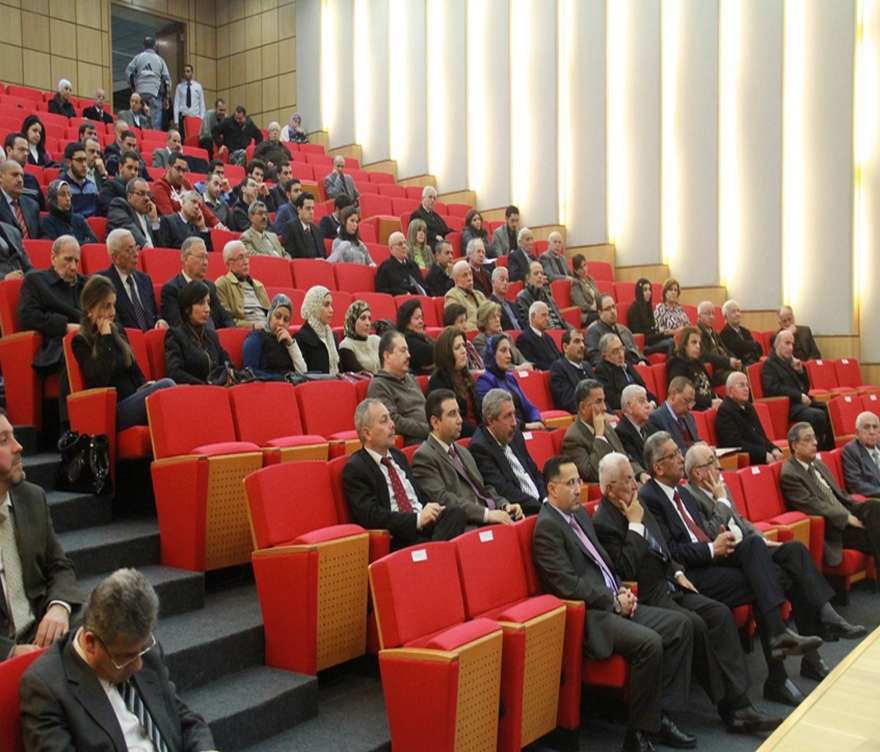
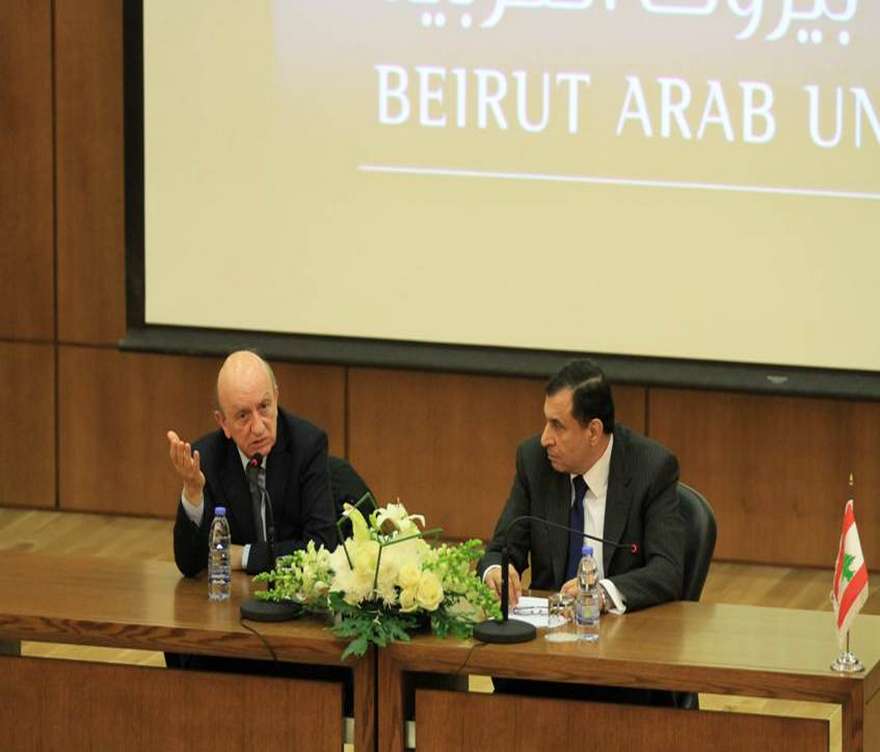
08 February 2013Beirut Arab University – Tripoli Campus – hosted former MP Samir Franjieh for a lecture on “The Lebanese Spring and the Possibility to Renew it”, with a wide political, judicial, military and social attendance.
The event was attended by Minister Mohamed Al Safadi, represented by Dr. Mostafa Helwa, MP Badr Wanous, MP Samir Al Jisr, represented by Mr. Nasser Adra, Engineering Syndicate Chief Dr. Bashir Zouk, represented by Engineer Nicola Sleiman, Vice-President of the Constitutional Council, Judge Tarek Ziadeh, Vice-President of the Progressive Socialist Party, Dr. Kamal Mouawad, Retired Colonel Fadeel Adhami, in addition to the President of BAU, Prof. Dr. Amr Galal El Adawi, Vice-President for Tripoli Branch Affairs, Prof. Dr. Khaled Baghdadi, Vice-President for Medical Sciences, Prof. Dr. Essam Ossman, Secretary General Mr. Issam Houri, Deans and Directors, the Administrative Director of Tripoli Branch, Ahmed Sanjakdar, Head of BAU Alumni in Tripoli, Ahmed Sankari, a crowd of directors of organizations, heads of societies, staff members and students.
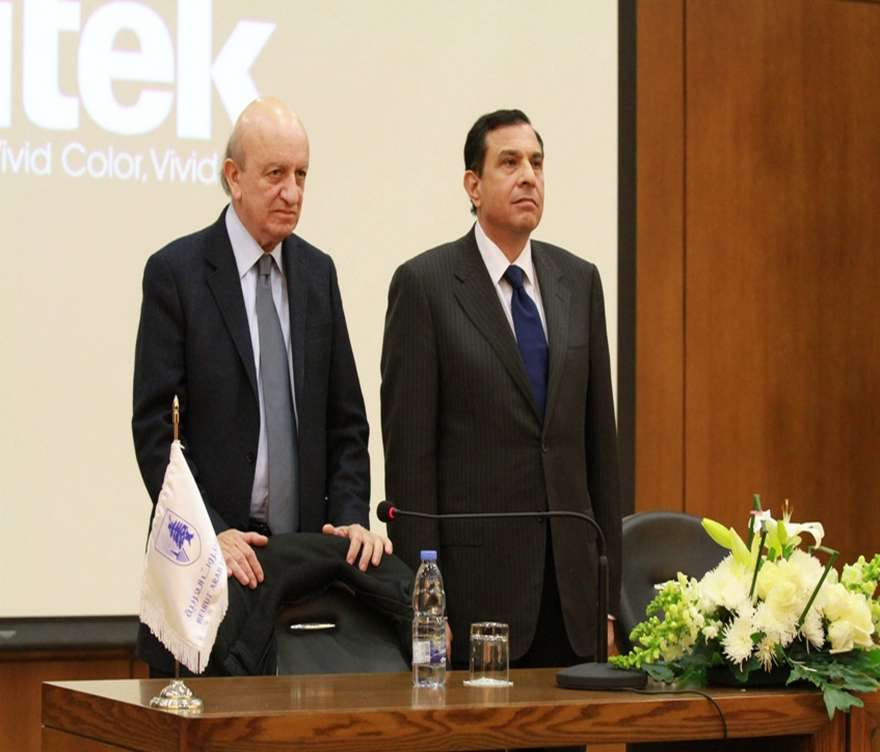
After the national anthem and the BAU anthem were played, Dr. El Adawi welcomed MP Franjieh, hailing him a man of wisdom and poise, whose statements always pour into the interests of the fatherland, Lebanon.
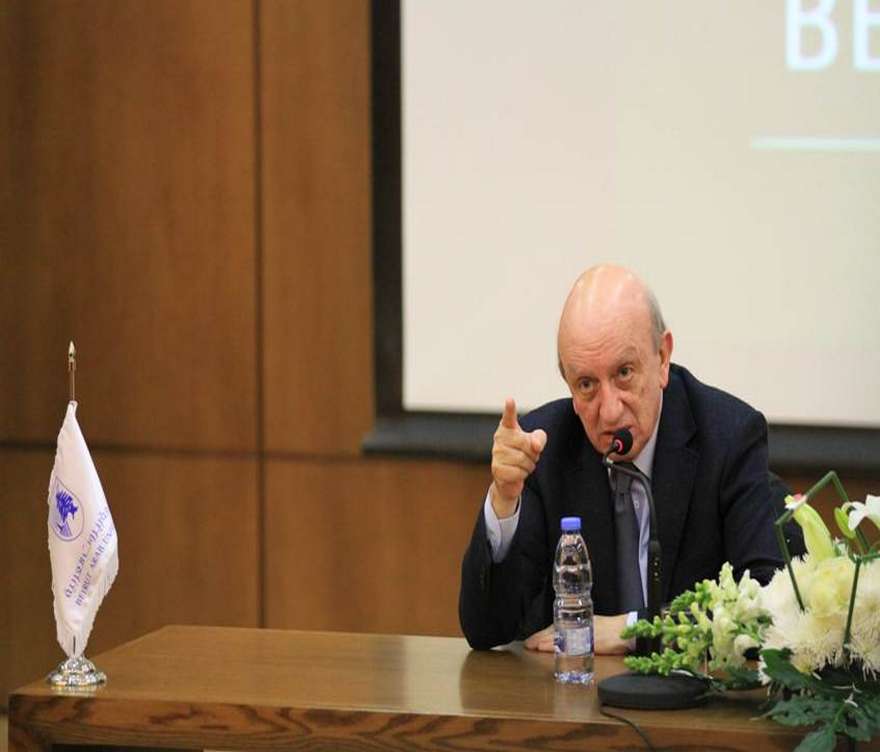
In turn, former MP Franjieh thanked BAU for inviting him, saying that this was his first visit to the University. In his talk, he maintained that “For over half a century, Lebanon has been living a constant state of war, starting with the first Civil War in 1958, through the hardships of four wars with Israel in 1978, 1982, 1996 and 2006, as well as two military occupations, the Israeli from 1978 to 2000, and the Syrian from 1990 to 2005.”
Mr. Franjieh spoke about the peace opportunities that were offered to Lebanon and that were not seized: “The first opportunity was Al Taif Agreement in 1989, when the establishment of co-existence under a sovereign independent state was a possibility. However, Syria’s trusteeship over Lebanon crippled this Agreement that would have set the rules for a civil state. The second opportunity came on 14th March 2005, in the wake of the assassination of President Rafik Hariri. This was an opportunity for a Christian-Muslim national accord, which forced the Syrian Forces to withdraw on 26th April, and drove the Security Council to form an International Tribunal for Lebanon. However, this second opportunity was also soon spoiled by a counter-revolution of the Syrian regime in the face of the independence uprising. This was accompanied by a series of political assassinations unprecedented in Lebanese history. The third opportunity loomed with the outbreak of revolution in Syria, and the chance of removing the Syrian regime from its attempts to annul the effects of the Sykes-Picot Agreement of 1916.”
In his talk, he also pointed out that “Lebanon today faces two choices: either to wait for the outcome of what is happening in Syria, or to renew the Lebanese Spring and work on building a lasting peace in Lebanon through a civil uprising that puts an end to the reductionist path which has generated violence in the country. This civil uprising would bring Al Taif Agreement which laid the foundations for a civil state back into focus, to contribute to the termination of the conflict between Shia and Sunna, which represents a threat to the future of Lebanon. This civil uprising would also lead to the emergence of a civil cross-sectarian political stream similar to those Lebanon had witnessed during independence, before the domination of sectarian parties that have monopolized the political arena ever since the disastrous war of 1975, and obstructed the establishment of a modern state.” Concluding his talk, Mr. Franjieh reiterated Lebanon’s need for a new civil uprising that restores its people’s dignity, regardless of all forms of sectarian and doctrinal reductionism, to fight the battle for “the Peace of Lebanon”.