
Saudi Ambassador Ali Awadh Asseiri receives a PhD in Economics from Beirut Arab University



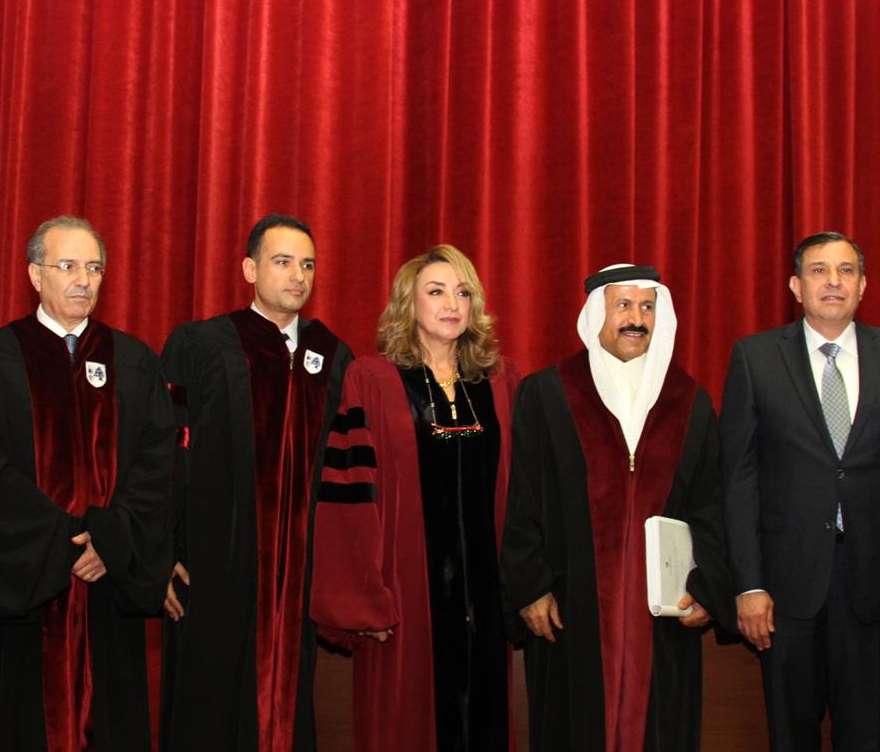
Saudi Ambassador Ali Awadh Asseiri receives a PhD in Economics from Beirut Arab University
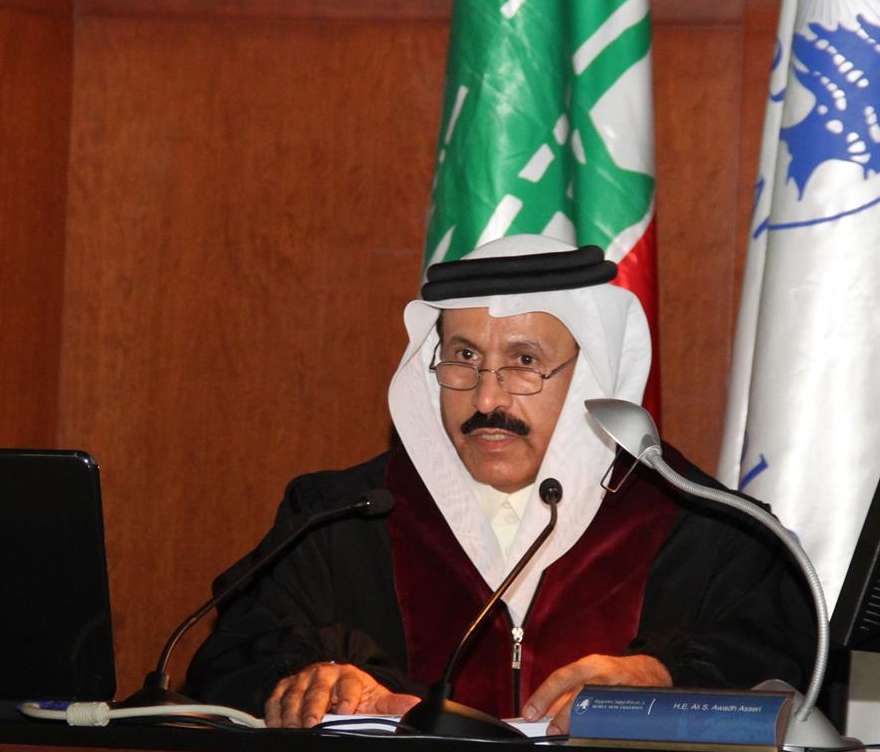
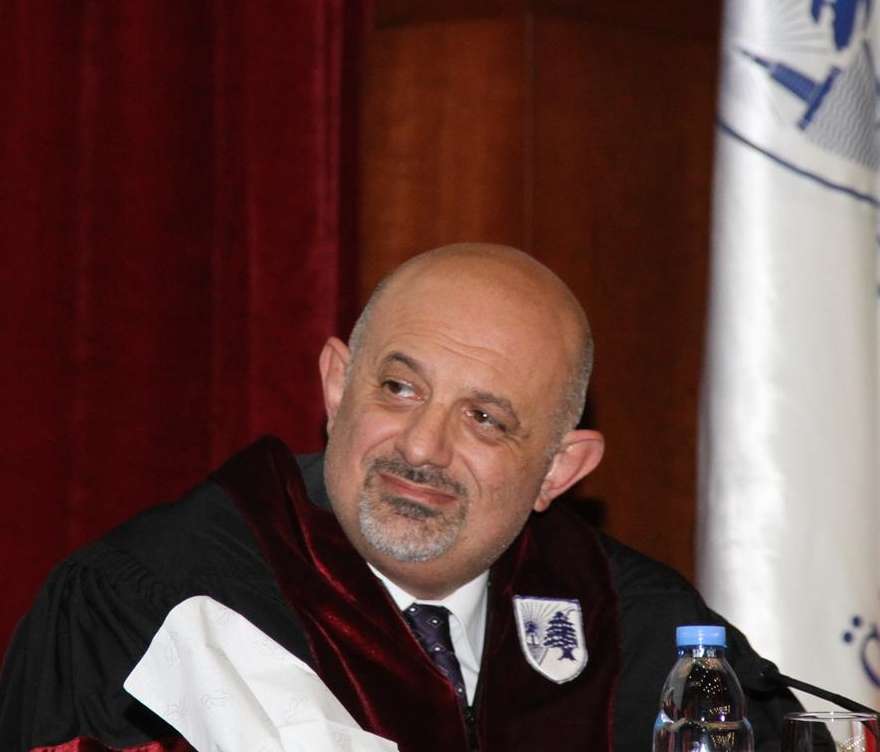
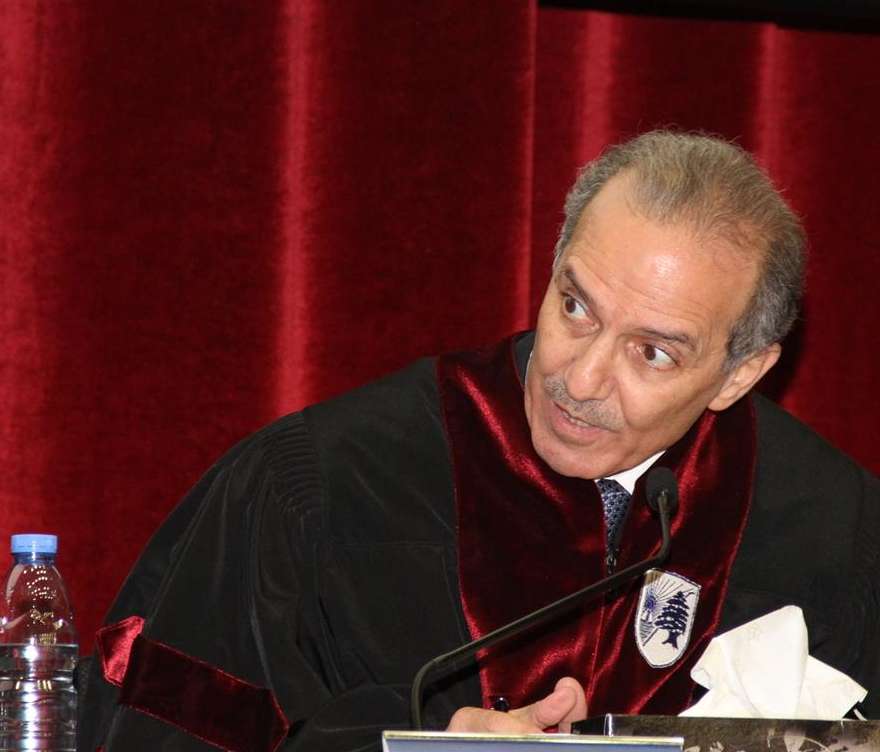
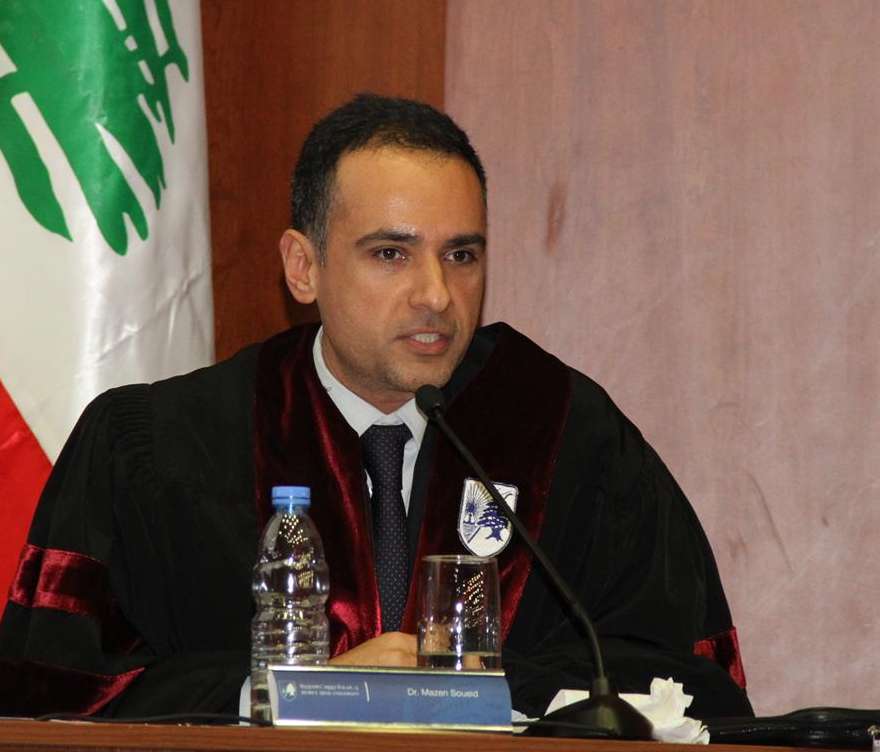
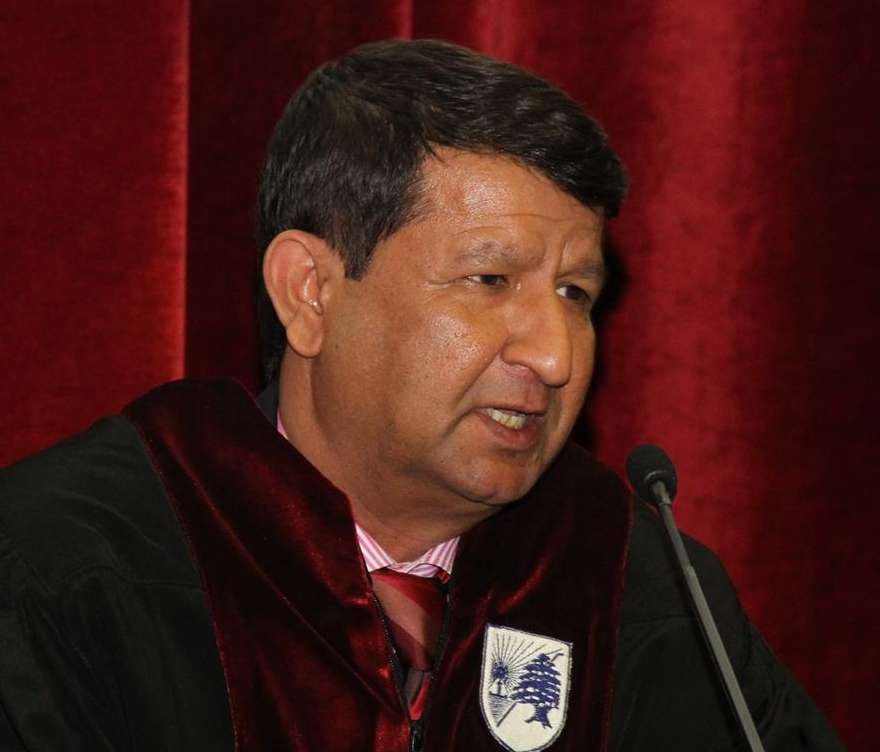
19 January 2016The Faculty of Business Administration at Beirut Arab University granted Saudi Ambassador to Beirut, Mr. Ali Awwad Asseiry, a PhD in Economics, for a thesis entitled “Regional Economic Cooperation in the Arab World: A Comparative Study”. The thesis was supervised by Prof. Nihal Mostafa, Dean of the Faculty, and Dr. Ishteyak Ahmed, Associate Professor at Oxford University. The examination panel consisted of Prof. Nema Azouri, Dean of the Faculty of Business Administration at the Holy Spirit University of Kaslik (USEK), Dr. Saad Andari, Vice-Governor of Banque du Liban, and Dr. Mazen Soueid, Research Director at Bank Med.
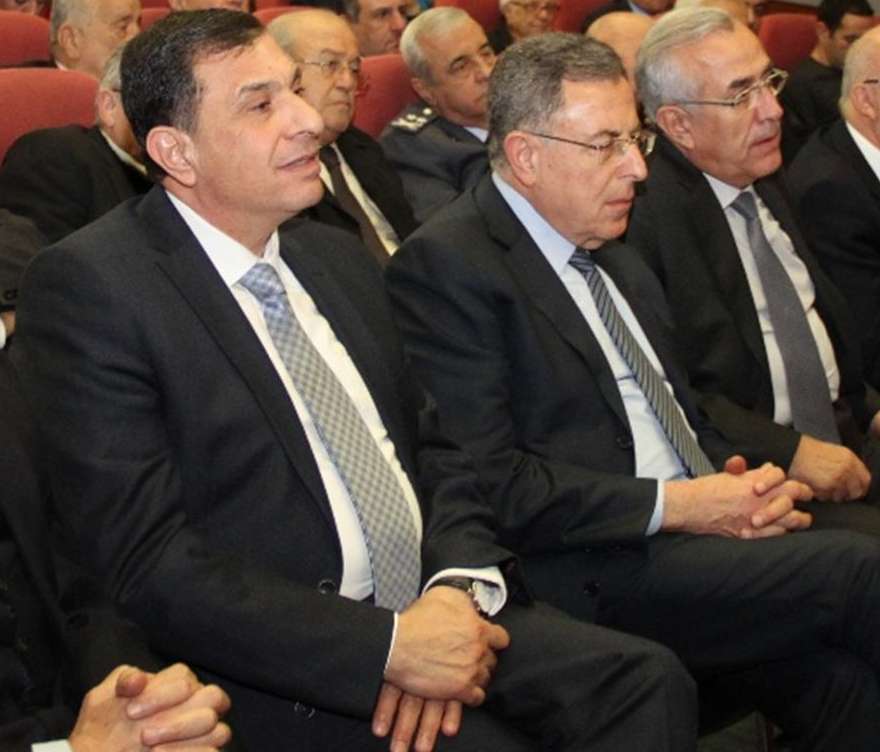
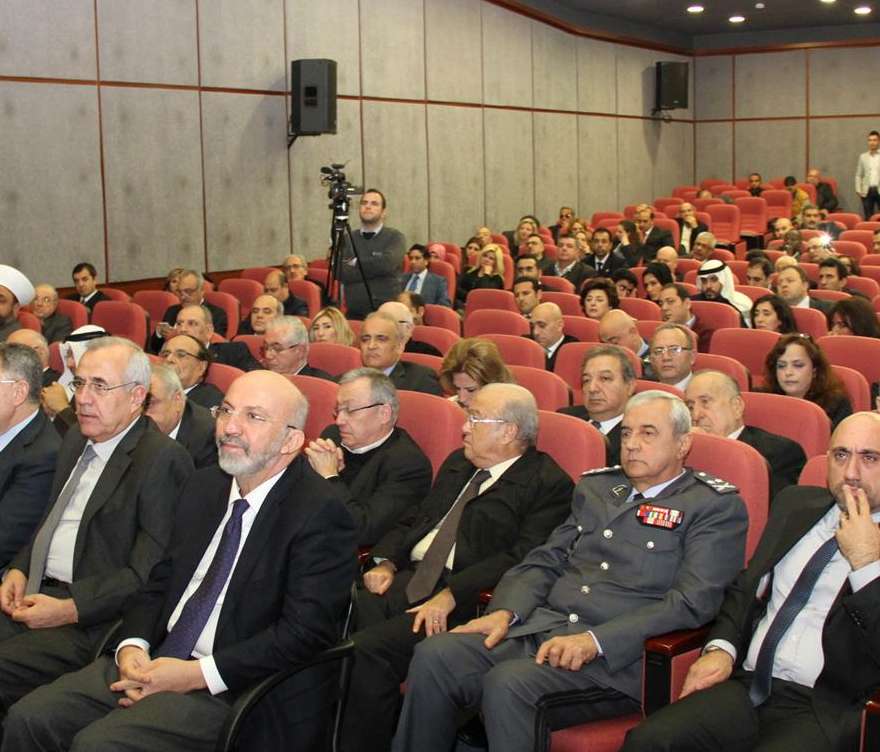
The defense that was held at Jamal Abdel Nasser Hall, Beirut Campus on the 19th of January 2016, was attended by a large political, diplomatic, academic and media audience, including HE President Michel Soleiman and HE Fouad Sanioura, as well as a large number of ministers, ambassadors, current and previous members of parliament, Prof. Amr Galal El Adawi, President of BAU, Dr. Omar Houri, BAU Secretary General and students.
In his presentation, Ambassador Asseiry stated that he was speaking in his capacity as a PhD candidate and not as an ambassador. He further indicated that the content of his thesis expresses his personal views, not by any means the stance of the government of the Kingdom of Saudi Arabia.
The thesis seeks to explore the reasons why there is no regional integration among the Arab States, despite exceptionally conducive factors, such as the common geography and language, and a rich base of resources. The thesis also explores the various regional initiatives that have been made, such as the Gulf Cooperation Council (GCC), and the Greater Arab Free Trade Zone, comparing their performance with that of other successful regional initiatives such as the European Union and the Association of Southeast Asian Nations.
The study examines Egypt and the Kingdom of Saudi Arabia as examples of states that remained unaffected by the collapse of some regimes in the wake of the Arab Spring Revolutions, indicating that the regional economic cooperation of medium-income Arab States and rich Gulf States alike is no longer a mere option – it has become a pressing necessity.
The Ambassador’s thesis is the first of its kind, in that it proposes a feasible road-map that may lead to the social stability of the Arab States, through the implementation of an Arab economic integration. As such it fills an important gap in the researches.