

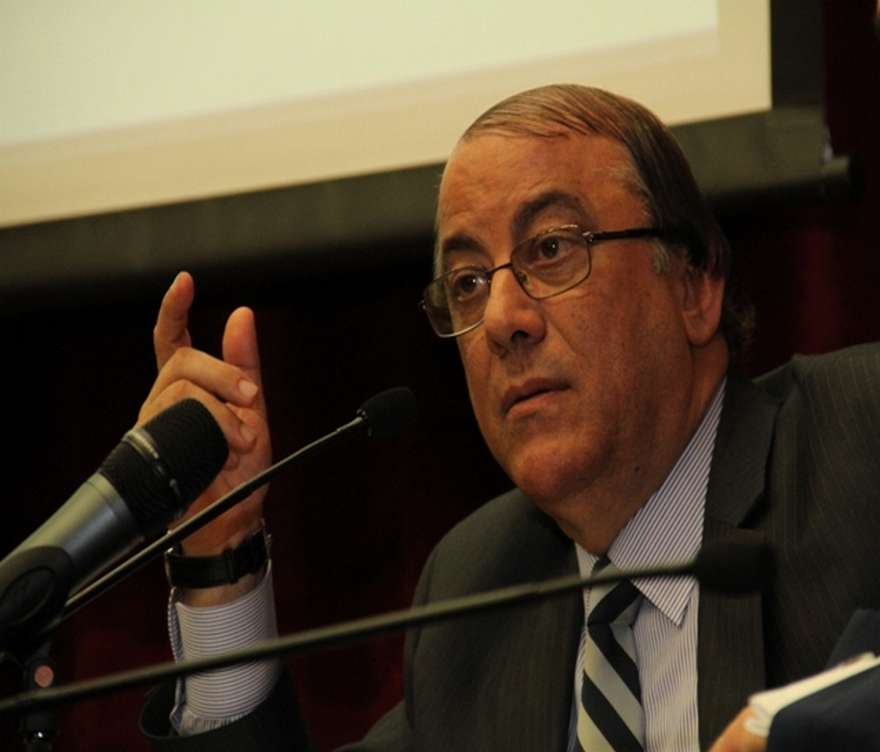
The First Arab Conference in Paris - A Lecture by Prof. Hassaan Hallak
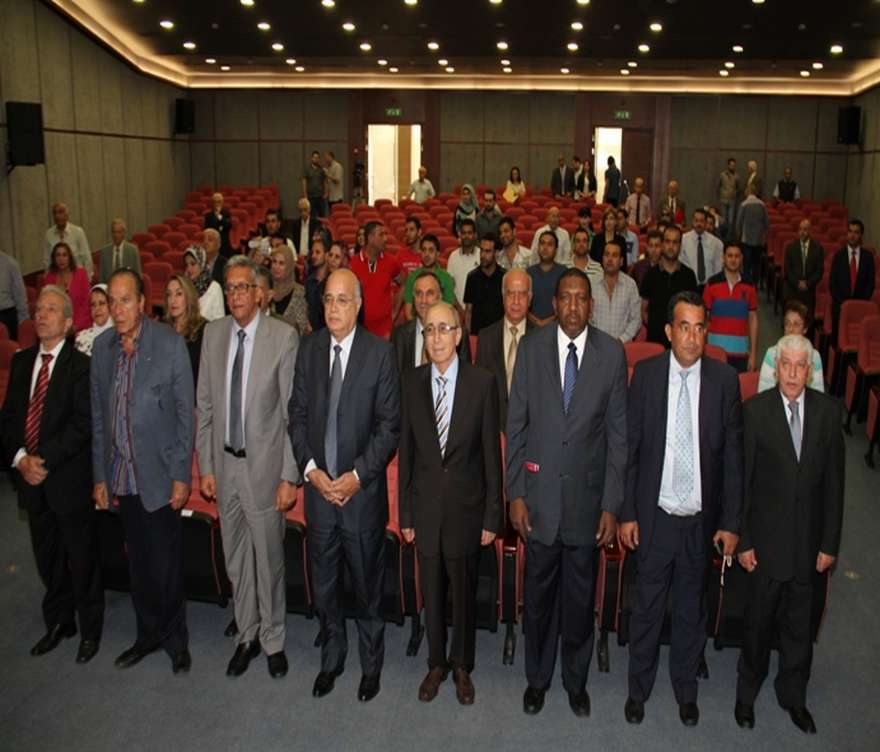
17 May 2013Beirut Arab University concluded its cultural season with a lecture by Prof. Hassaan Hallak- Faculty member at the Faculty of Arts at Beirut Arab University and a historian on “The First Arab Conference in Paris in 1913 and its Effects”. The lecture was attended by Prof. Dr. Amr Galal El Adawi, President of BAU, HE Saad El Hariri, represented by Mr. Bashir Itani, the General Coordinator of Future Movement in Beirut, Mr. Ihsan Sadik and Jihad Al Atrash, Mr. Issam Baadarani, Head of the BAU Alumni in Beirut, Prof. Dr. Khaled Baghdadi, Vice-President for Tripoli Branch Affairs, Prof. Dr. Essam Ossman, Vice-President for Medical Affairs, BAU deans, Mr. Issam Houri, BAU Secretary General, Mrs. Zina Ariss, Director of Public Relations Administration, BAU directors and a crowd of interested people.
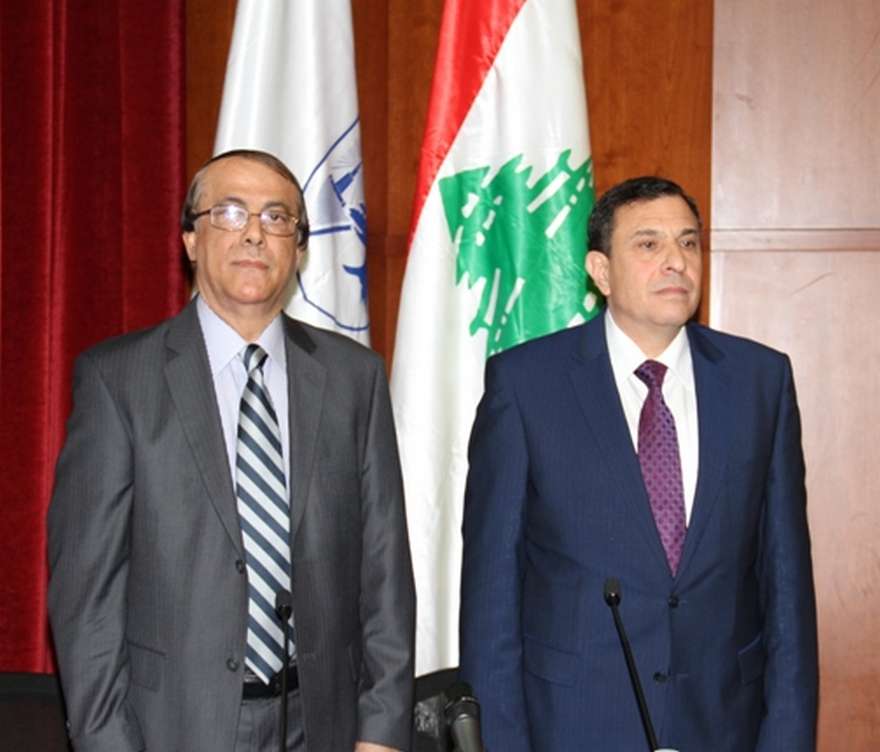
After the Lebanese national anthem and the BAU anthem were played, Prof. Adawi introduced the speaker, praising his efforts in researching historical manuscripts and documents, to present us with valuable information relevant to our present reality.
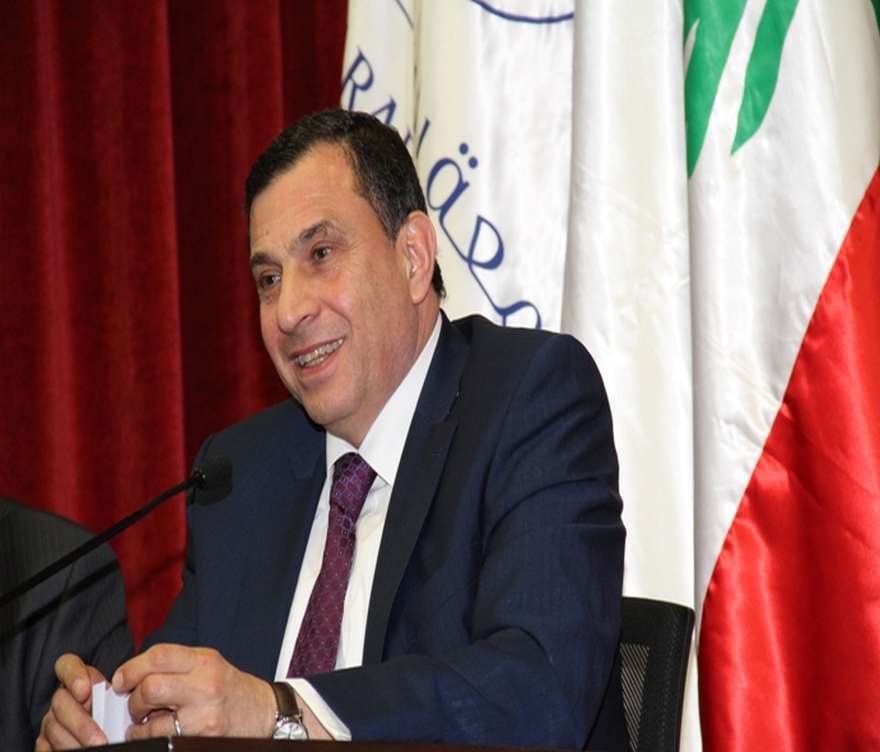
Prof. Hallak, then, began his lecture, stating that “ever since 1913, the citizens of Beirut, both Muslims and Christians, established a Beiruti association which aimed at the reform and modernization of the Ottoman State. The association came to be known as the “Beirut Reform Society”, and was headed by Sheikh Ahmed Abbas El Azhari. The Ottoman State was gradually falling into political and military weakness, suffering from economic, social and educational crises, as well as upheavals and the separation of some states.”
Hallak further explained that “the citizens of Beirut considered it their duty to preserve the entity of the State through reforming it, eliminating corruption in it, reinstating Arabic as the official state language besides the Ottoman language, and working on removing the corrupt.”
Hallak emphasized the fact that “The First Arab Conference in Paris in 1913 was the main forerunner for the Greater Arab Revolution, led by El Sharif Hussein and his sons, Princes Faisal, Abdallah and Ali Zaid.”
One of the outcomes of the attempts at reform and modernization was the demise of Arab youth for the sake of establishing a glorious Arab nation. Due to the importance of the events of 1913, and subsequent developments, executions and abuse of the Arab Movement, Prof. Hallak presented this study on the occasion of the centenary of the establishment of the Beirut Reform Society and the organization of the Conference in Paris, with the hope that the leaders and peoples would benefit from the lessons of the past to build up the present and the future.
The lecture concluded with a discussion with the audience.