

Infectious Diseases- Epidemiology and Clinical Insights at BAU
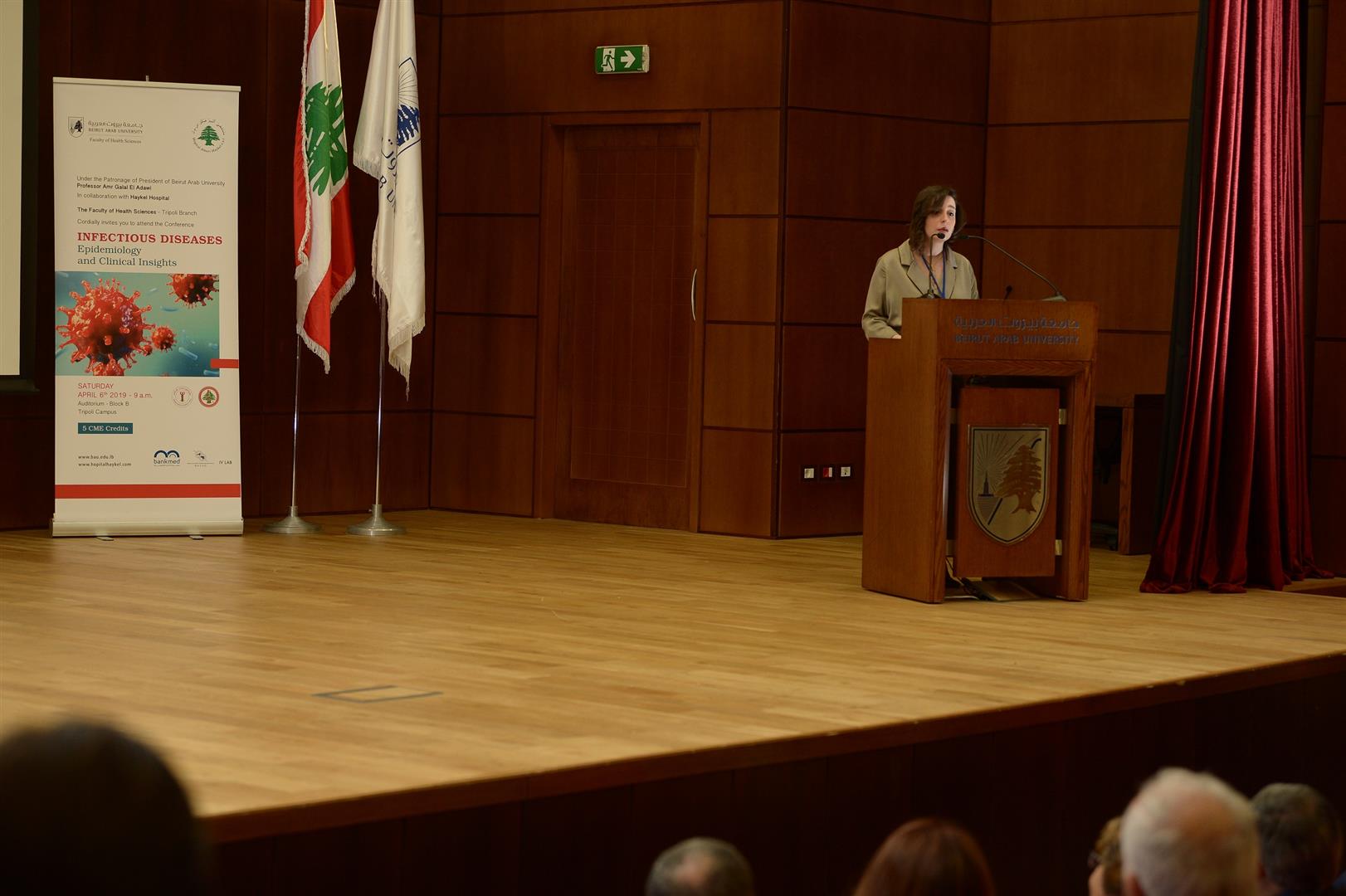
06 April 2019The Faculty of Health Sciences at Beirut Arab University-Tripoli Campus in cooperation with Albert Haykel Hospital, organized a scientific conference on "Infectious Diseases- Epidemiology and Clinical Insights" under the auspices of BAU President Professor Amr Galal El-Adawi
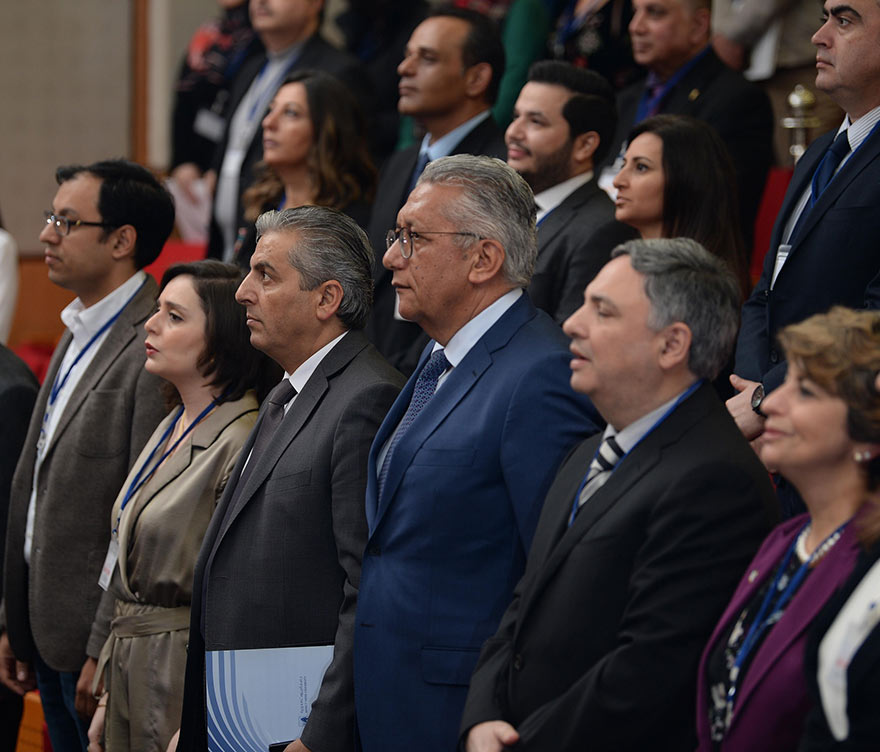
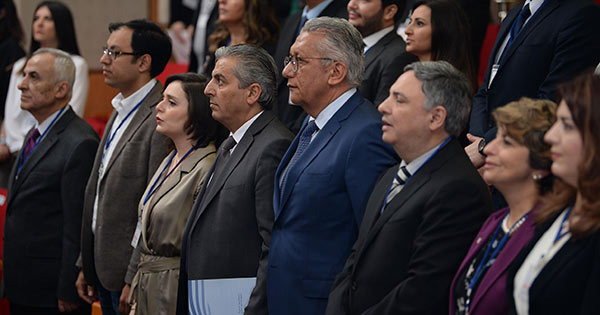
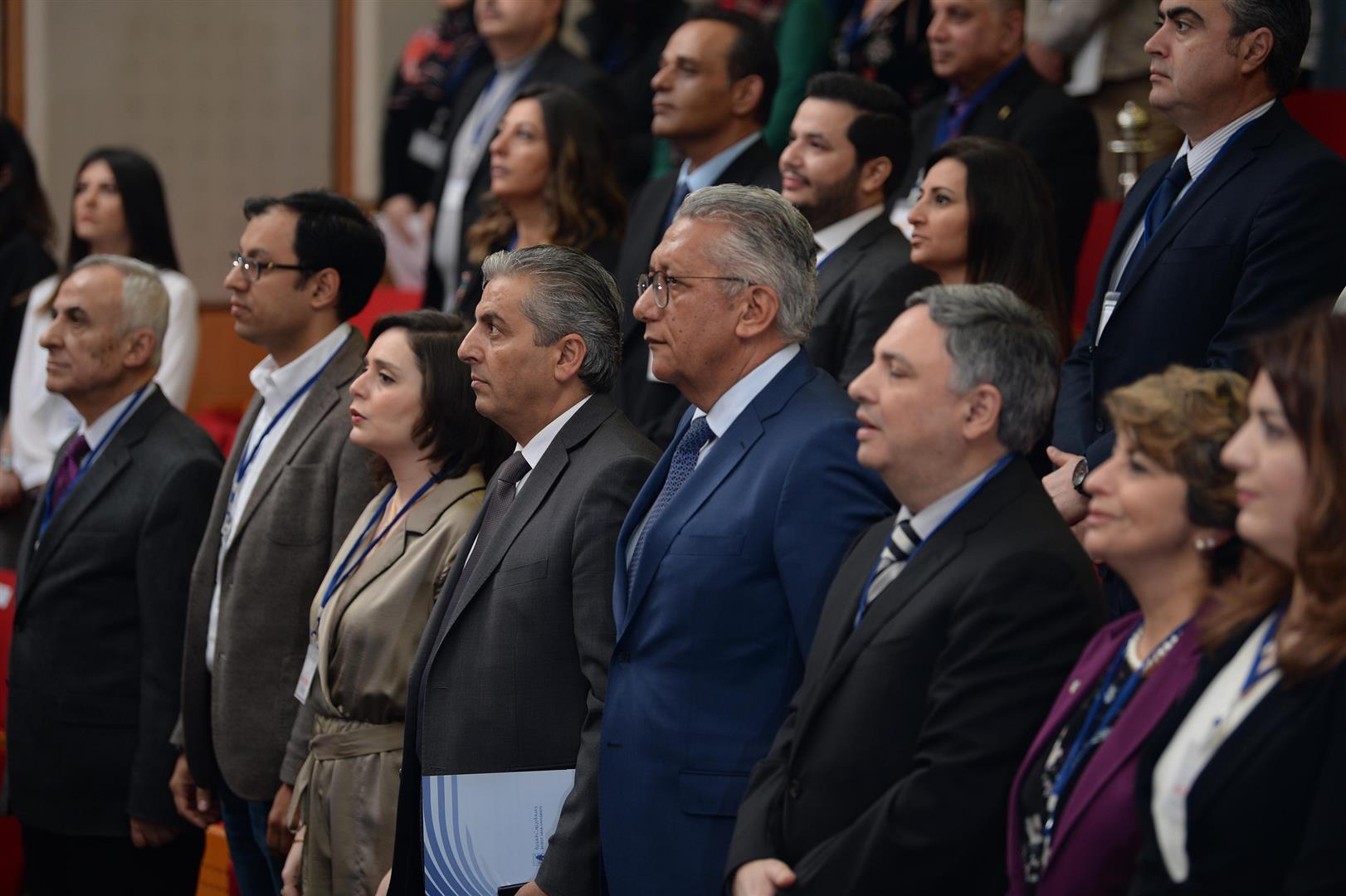
The opening ceremony was attended by President of the Lebanese Order of Physicians in Tripoli Dr. Omar Ayash, Vice President for Tripoli Branch Affairs Professor Khaled Baghdady, Director of the Faculty of Health Sciences at BAU-Tripoli Branch Dr. Nisreen Tadmouri, Medical Director of Haykel Hospital Dr. Lise Abi Rafeh, General Director of the North Lebanon Water Authority Mr. Khaled Obaid, WHO Deputy Regional Director for the Eastern Mediterranean Dr. Rana Hajjeh, Dean of Faculty of Health at Al-Jinan University Dr. Ghazi Tadmouri, Chairman of the Scientific Committee of the Lebanese Order of Physicians Dr. Rashad Alameddine, Head of BAU Alumni in the North Ahmad Sankari, faculty directors and a crowd of interested university professors and students.
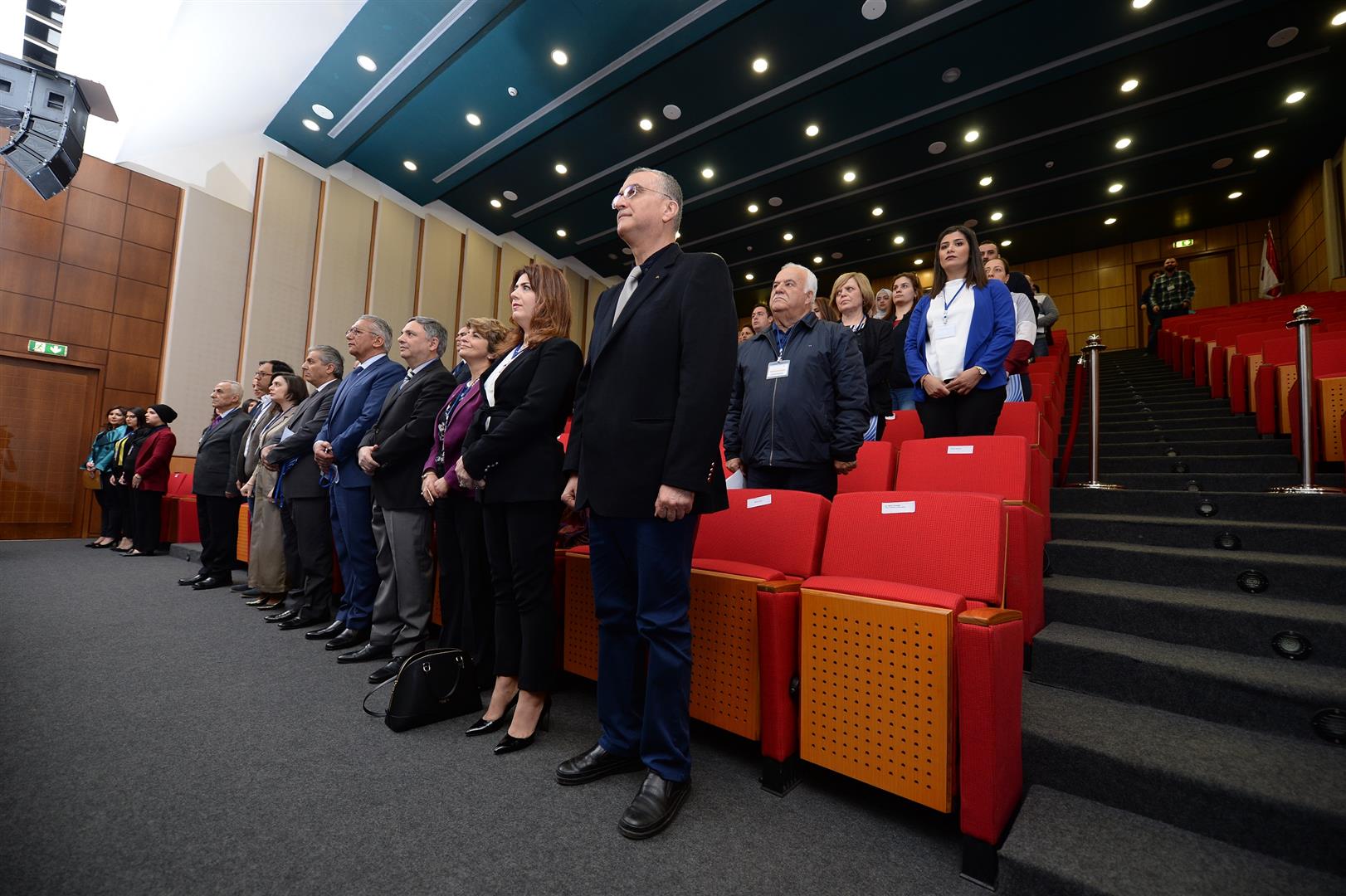
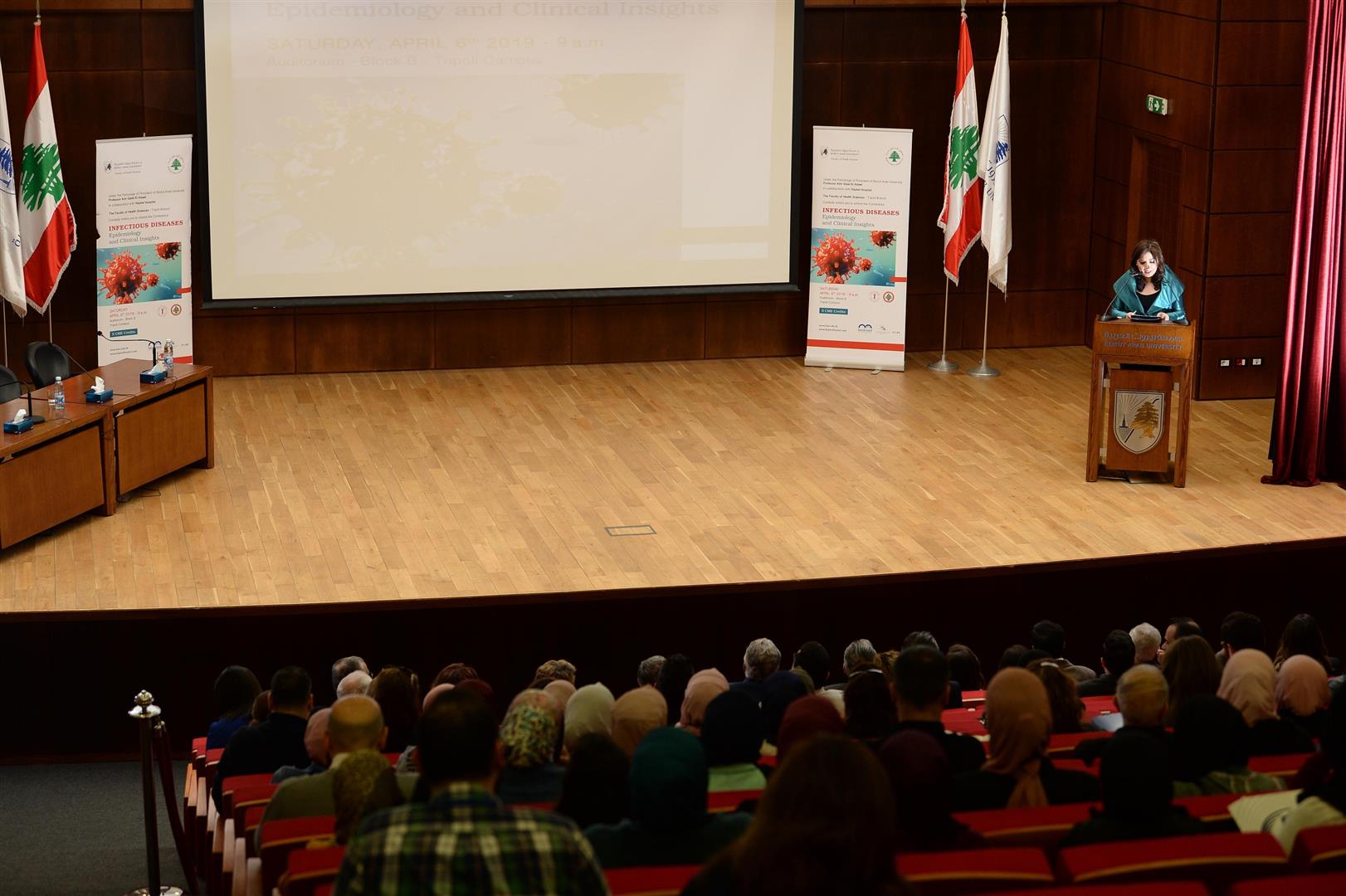
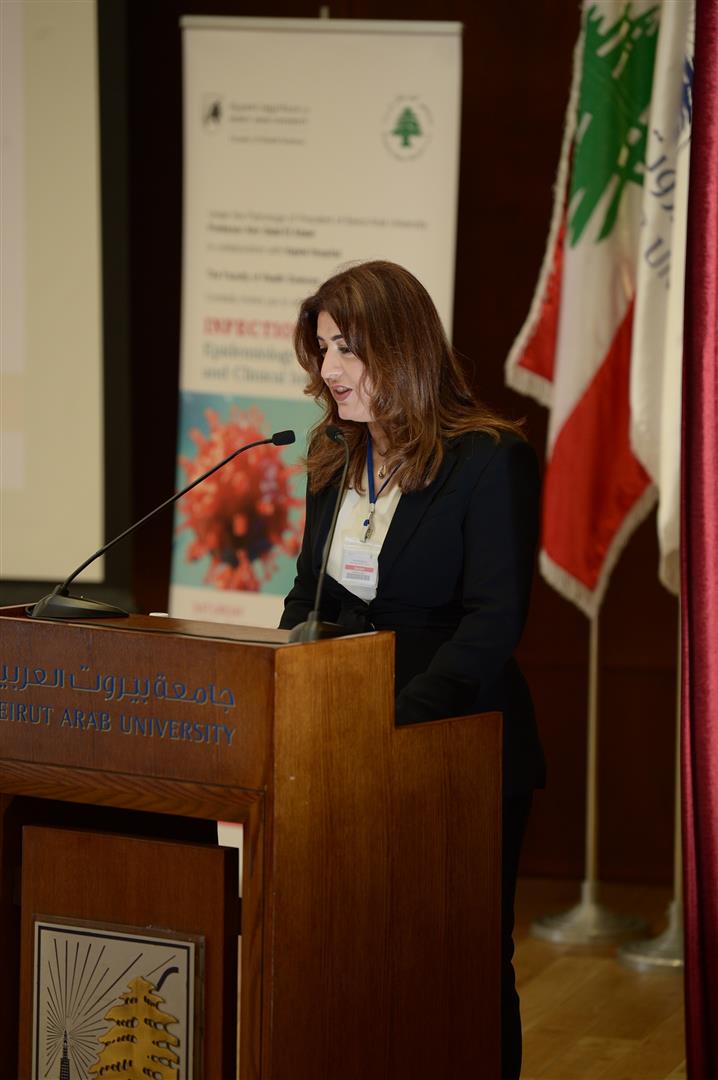
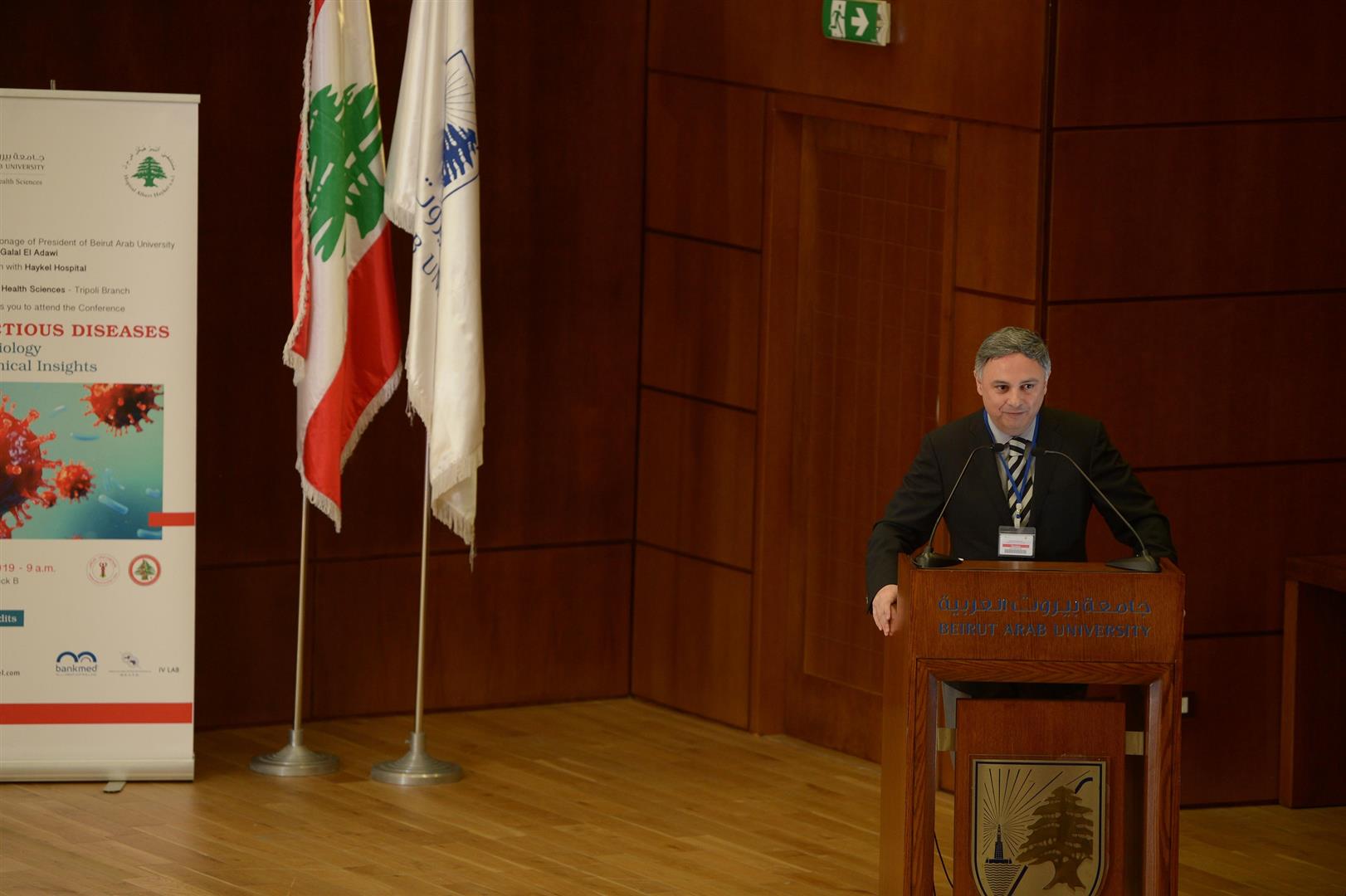
After the National and the BAU Anthems, colleague Nala Moukouk opened the event, saying, " Beirut Arab University assumed responsibility for public service in the society, committing itself to expanding its network of effective partnerships with all society sectors. Therefore, this conference was held to shed light on infectious diseases which are now one of the most important causes behind death, especially in developing countries."
In her speech, Dr. Bisar maintained that “the Faculty of Health Sciences at Beirut Arab University has always celebrated World Health Day on April 7 with various activities, most of which are awareness-raising, highlighting the health problems prevalent in the community and focusing on prevention methods through lectures and various projects. This year, the faculty is strengthening its ongoing partnership with the North Hospitals which is crowned by this conference organised in collaboration with Albert Haykel Hospital, shedding light on the issue of infectious diseases that are constantly developing with infections that have disappeared, grown or have been brought under control and other new ones that emerge thus occupying researchers and the entire health sector.”
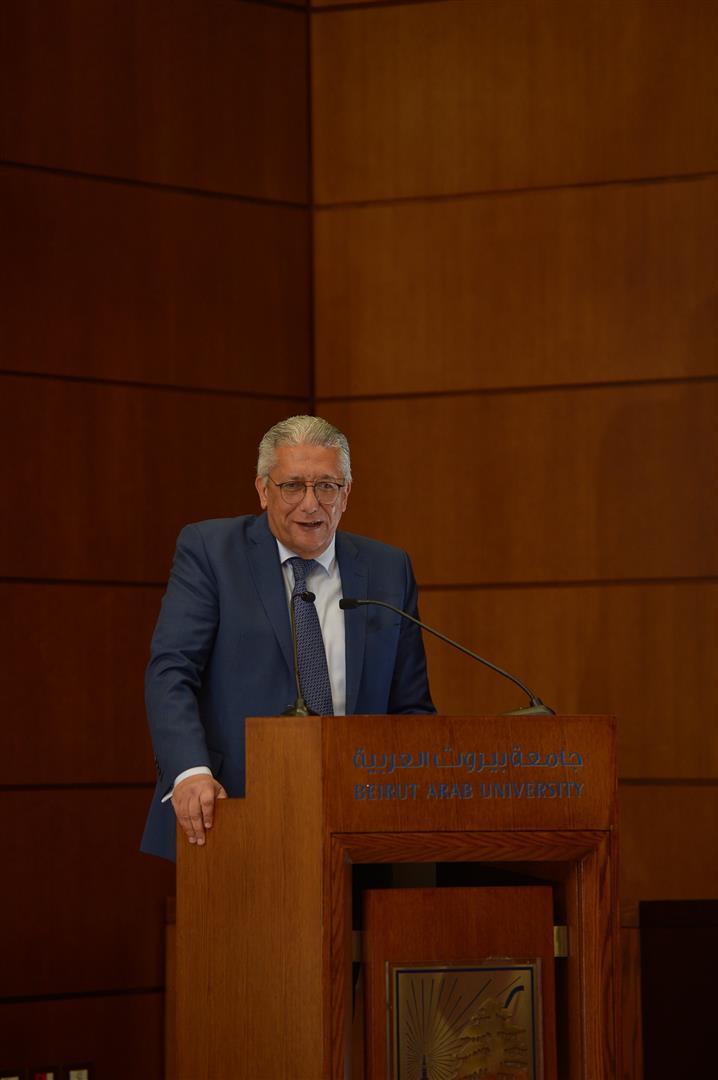
Dr. Abi Rafeh stressed that "there is no doubt that we are all aware of the criticalness of the current situation of bacteria diffusion and acquisition of immunity against antibiotics, especially in a number of neighbouring countries. It is true that hospitals bear a great responsibility for the development of controls in accordance with global rules of the good use of antibiotics and the necessity to cease using them when there is no need, in addition to the need to vaccinate workers in the health sector to maintain the health of the patients and hospital staff as well.”
Professor Baghdady listed “the main tasks of the university in the context of providing a distinctive educational service to prepare a generation capable of keeping pace with the requirements of education and the job market through the employment of academic staff members from Tripoli and the North, as well as serving the community through the university facilities as laboratories and scientific expertise to study and develop solutions to the problems of the region and to organize cultural as well as awareness seminars in this field.”
Dr. Ayash praised “the activities and events held in Tripoli and the North as part of the follow-up of health issues of interest to citizens to raise a culture of awareness on the one hand and to address health issues on the other hand,” adding "the atmosphere of cooperation between the university and hospital health bodies to take necessary precautions at the medical and health levels, develop solutions to problems and emergencies, and build a society free of germs and diseases."
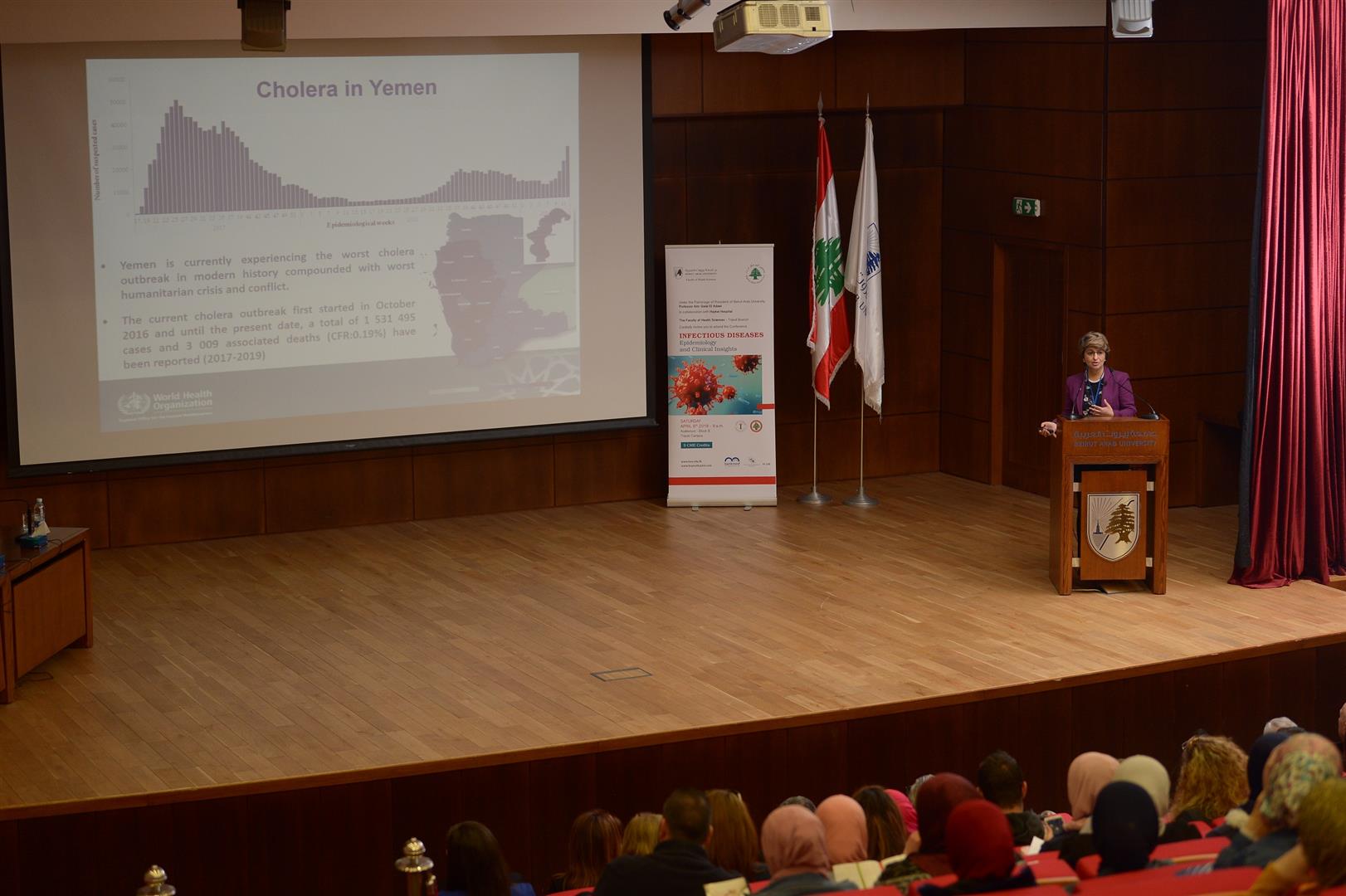
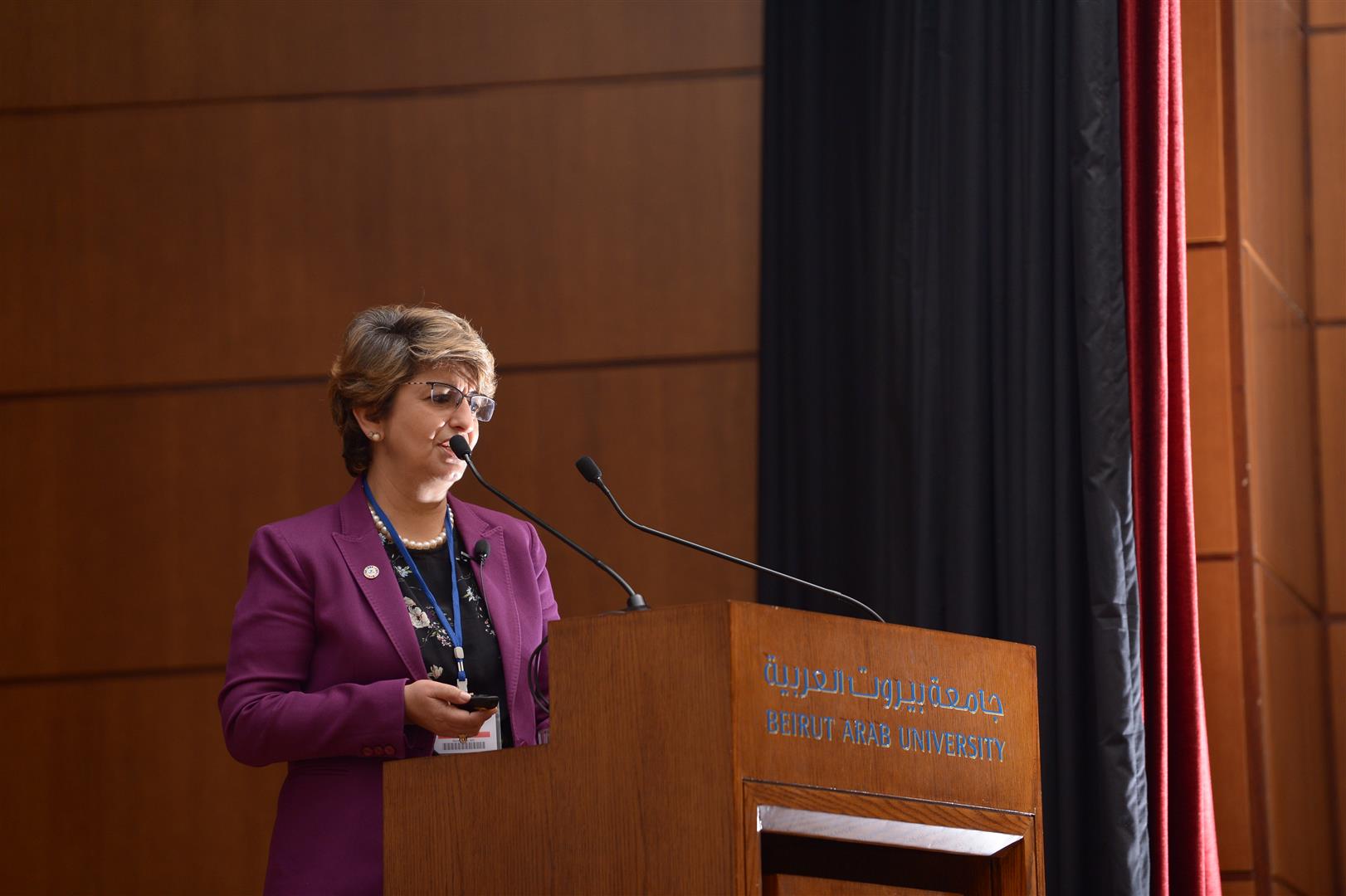
Dr. Hajjeh delivered a lecture entitled "The Return of Infectious Diseases to the Region: The Incomplete Agenda".
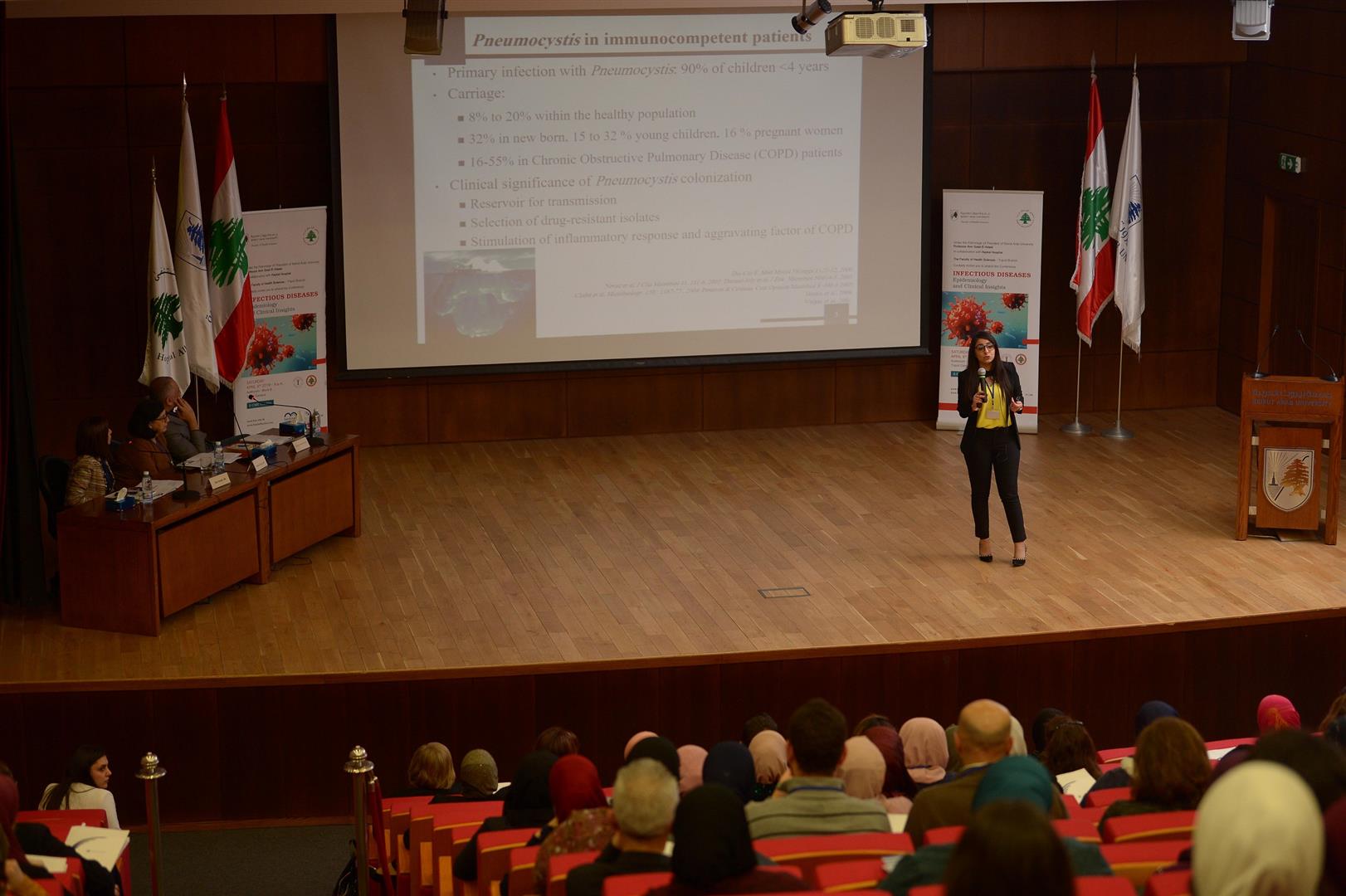
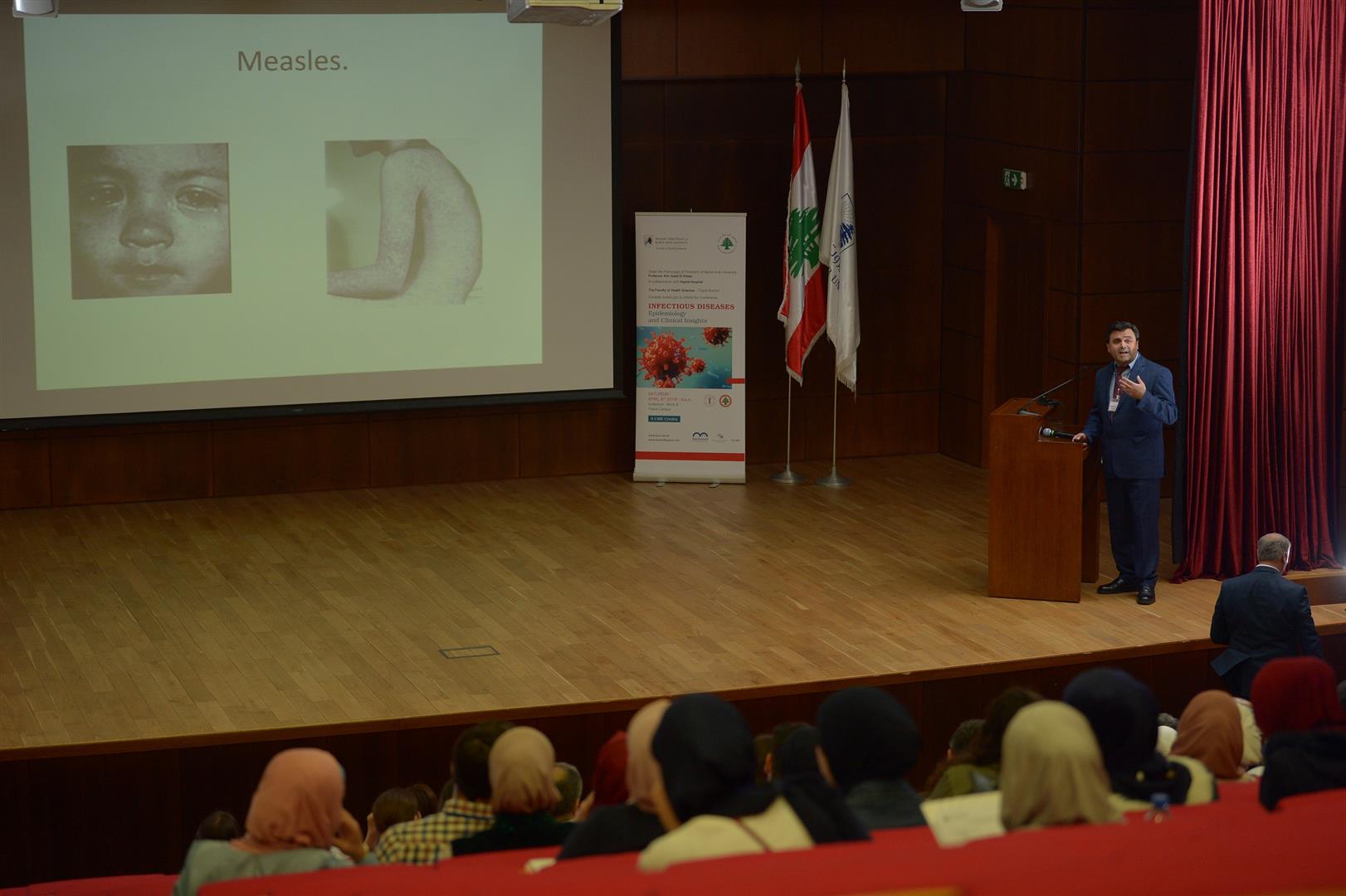
Afterwards, three sessions were held The first one, entitled "Hot Topics in Epidemiology," included lectures on infectious fungi, the spread of viral diseases among children with intestinal infections, and parasites that cause excessive eosin.
The second session was entitled "Infection Control" and included lectures on antibiotic-resistant bacteria, a general overview of infection prevention campaigns and recent recommendations on the vaccination of health workers.
The third session "Specifications of Infectious Infections in Pregnant Women and Children" included an overview of infectious diseases affecting children and pregnant women and recommendations for vaccination against them.