

Seminar on Electronic Transactions and Personal Data Law
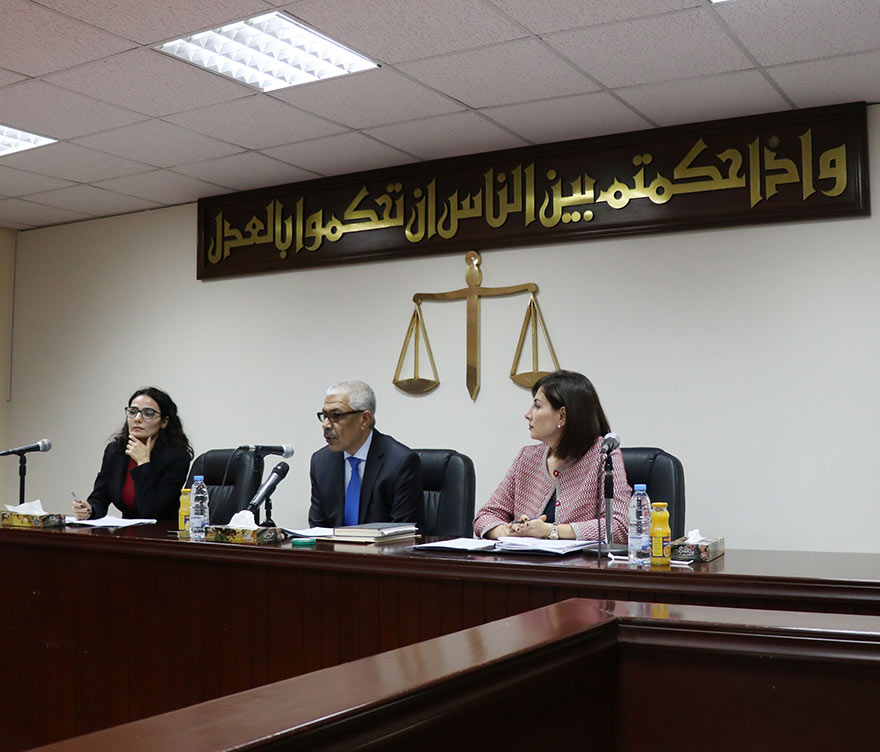
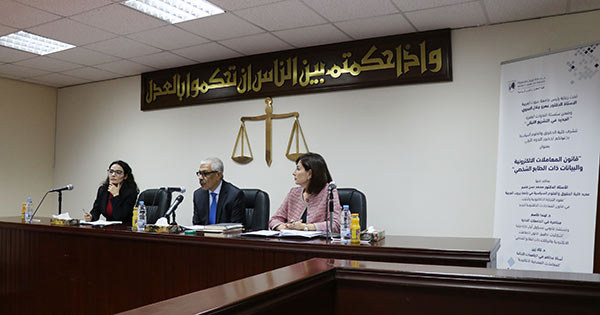
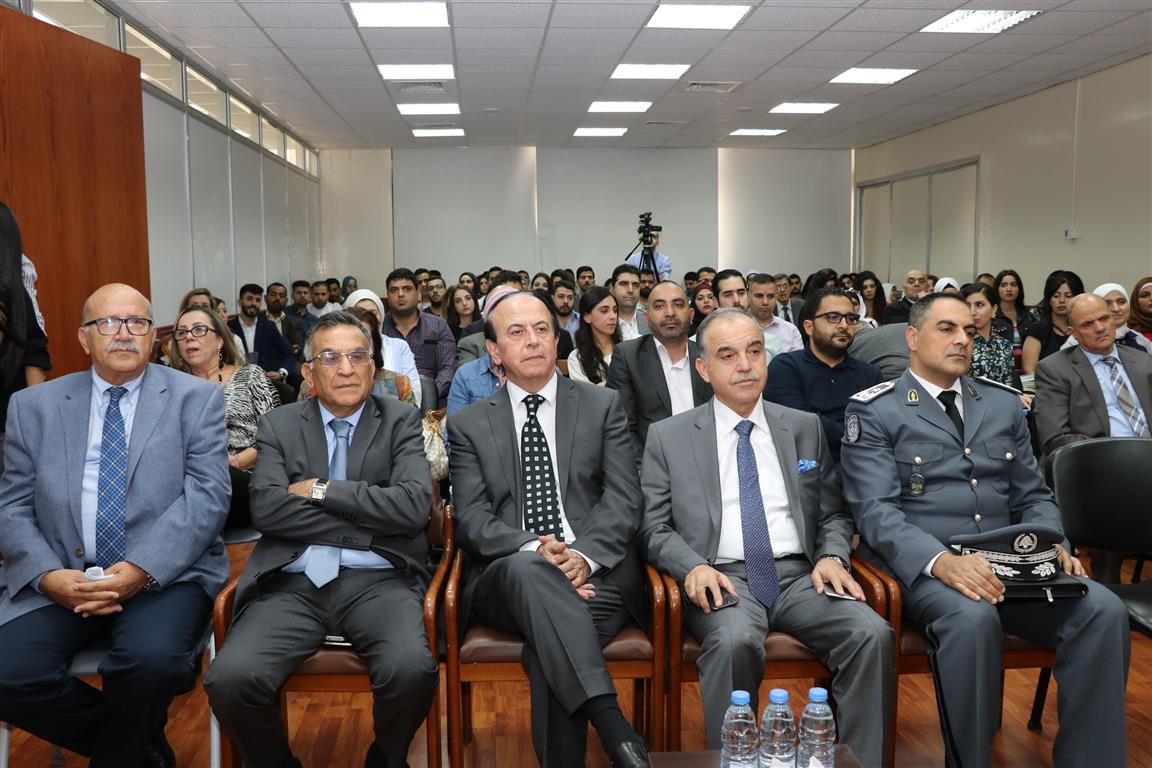
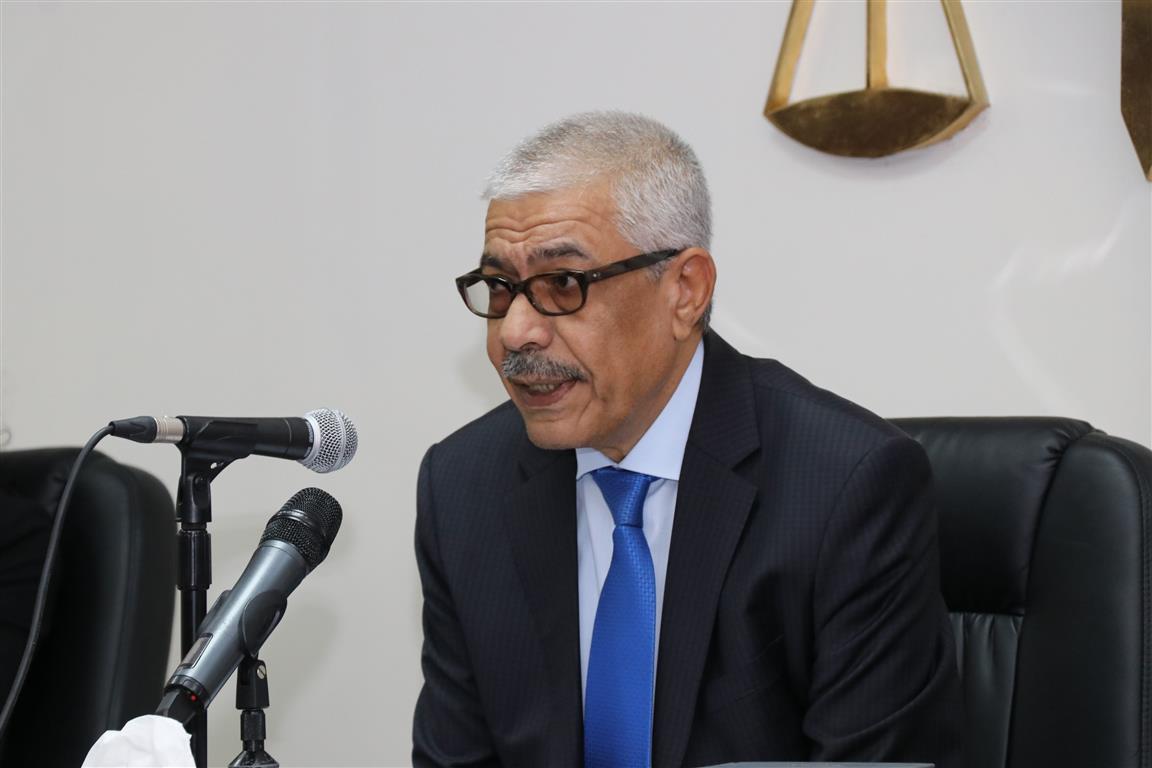
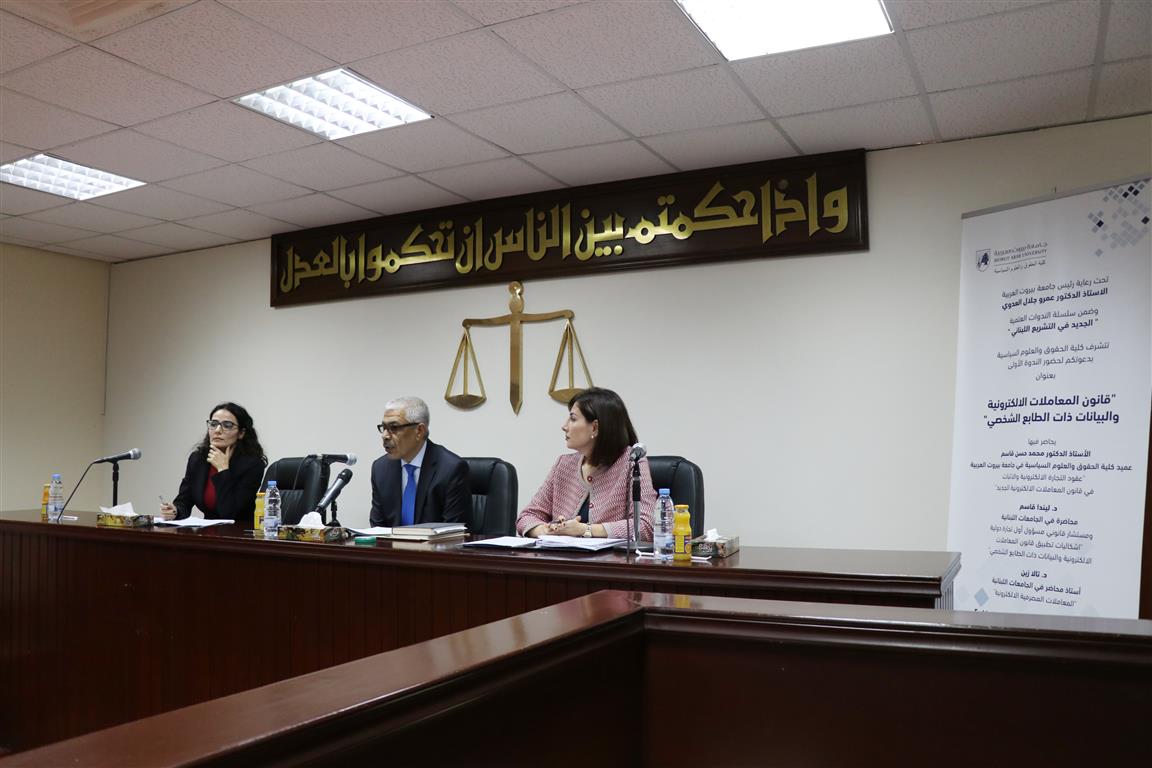
31 October 2018Under the patronage of BAU President Professor Amr Galal El-Adawi, and as part of the series of the scientific symposiums "Updates in the Lebanese Legislation", the Faculty of Law and Political Science organized the first seminar entitled "Electronic Transactions and Personal Data Law" held at the Court Room at the Faculty. Participants included Dean of Faculty of Law and Political Science at Beirut Arab University Professor Mohamed Kassem, legal advisor and lecturer at the Lebanese universities Dr. Linda Kassem, and the lecturer at the Lebanese universities Dr. Tala Zein.
Professor Kassem spoke about "E-commerce Contracts and Evidence in the New Electronic Transactions Law" and congratulated the Lebanese legislature on issuing this important long-awaited law. He also tackled the subject of electronic contracts, indicating the importance of this issue and its impact on the general rules of the contracts mentioned in the Law of Obligations and Contracts.
Dr. Tala Zein spoke about the subject of "Electronic Banking Transactions" mainly the difficulties of the new law, fearing that this law would be a means of circumventing other laws in this field. Dr. Zein talked about the electronic cheque stipulated in Article 62 of the Law in terms of the conditions and implications of its application upon the legislator’s approval of the electronic signature and electronic evidence. She confirmed the recommendation of Brigadier General Kassim concerning the need for close and continuous cooperation between the legal and technical bodies for the success of the application of this law. Dr. Zein referred to the amendment of the issue of electronic money, asking about the mechanisms that allow to control the issuance process and control.
Dr. Linda Kassem spoke about "The Problems of Applying the Law of Electronic Transactions and Personal Data" and reviewed the stages of preparing this law and its articles. Dr. Kassem also spoke about the nature of this law, considering it, on the one hand, a law of framework which employed regulatory decrees in many of its articles. Thus, it is comprehensive as it addresses a variety of topics including, but not limited to proof, writing, electronic signature and electronic banking services. On the other hand, this law is compatible with the rapid development of electronic means and is based on non-discrimination as well as the principles of technological neutrality and employment equality.
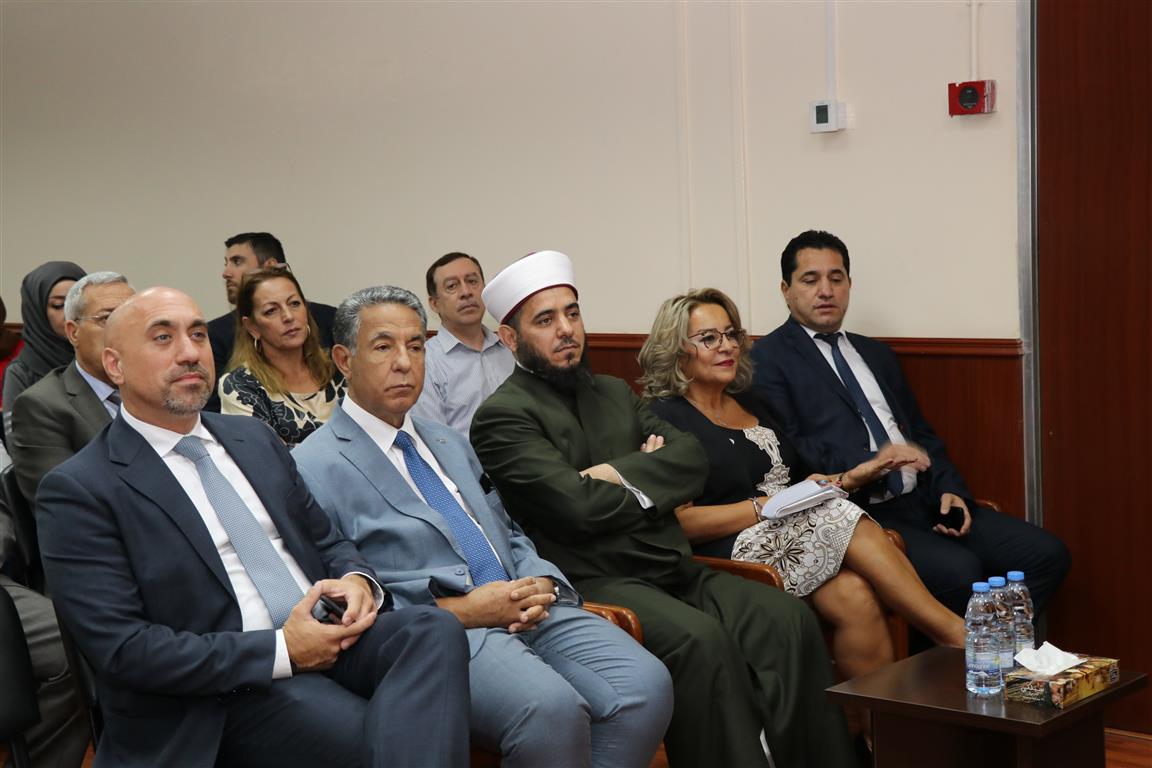
The symposium concluded with discussion, and questions were raised by the audience to the lecturers. Professor Kassim extended his thanks to all attendees and promised to hold more seminars on any updates in the field of legislation and jurisprudence. He also expressed his congrats for the issuance of this long-awaited law, and asked to consider the remarks made in this symposium concerning the new law as positive and constructive criticism.